Written scope
Ask for the shingle system, flashing, and ventilation listed
Shingle roofing in Des Moines, IA means asphalt shingles installed as a complete system: underlayment, ice barrier, flashing, ventilation, and ridge cap, not shingles alone. We install architectural and three-tab shingles, repair damaged courses, and replace roofs at the end of their life. Impact-resistant Class 4 options are available for hail-prone roofs.
A shingle roof is a layered system. Here is what the service includes, whether the job is a repair or a full replacement.
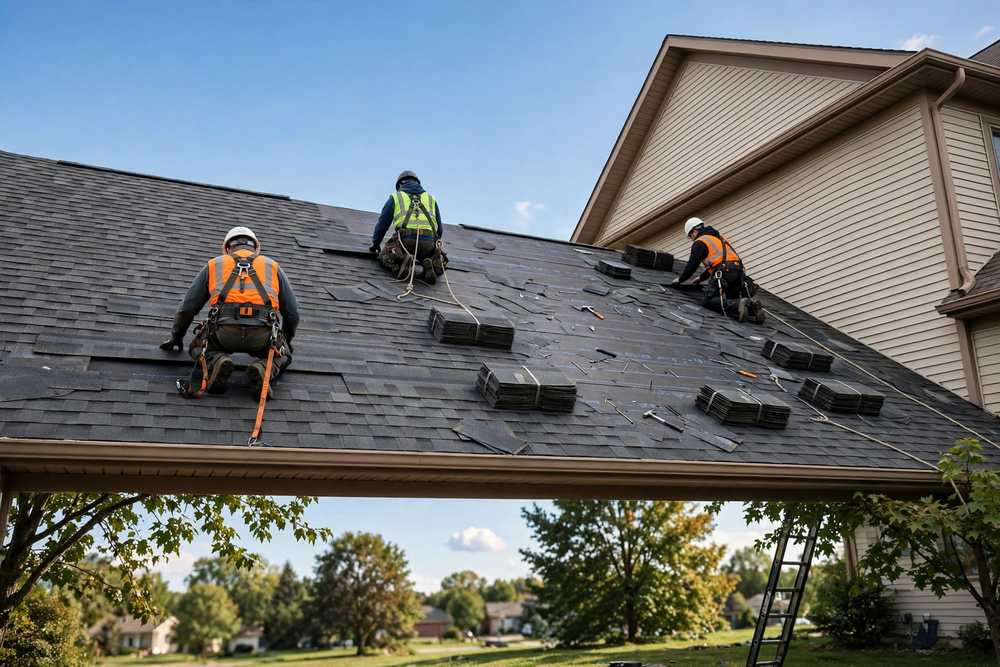
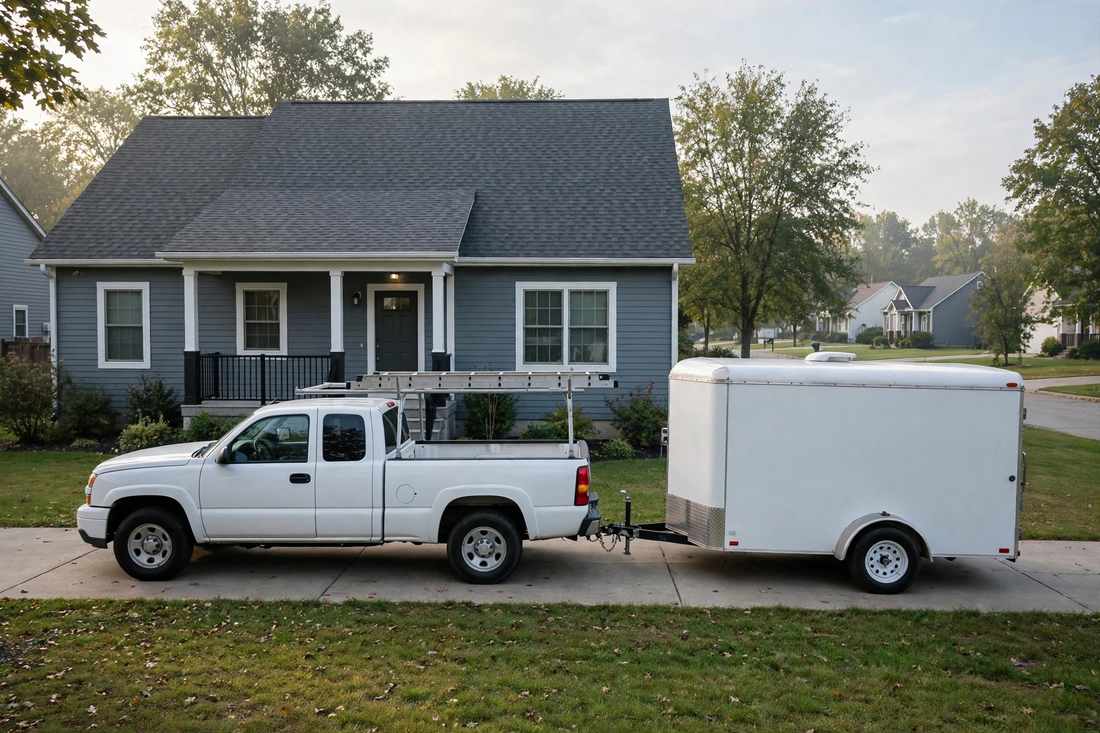
We install and repair shingle roofs on Des Moines homes of every age and pitch. The shingle choice follows the roof, the pitch, and the hail exposure.
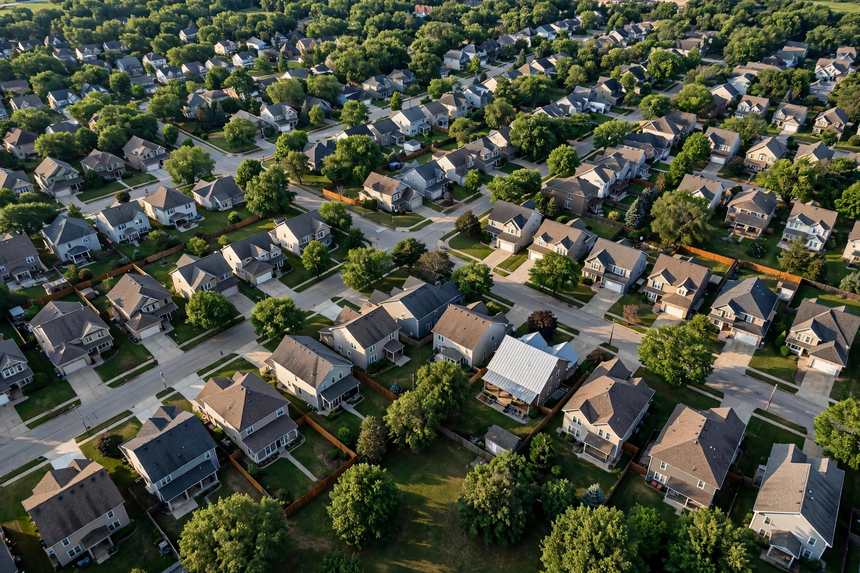
Two-story homes and multi-unit houses need the same layered system, with flashing and ventilation planned around the full roof layout and every dormer.
Shingle roofing in Des Moines is asphalt shingle work as a layered system. Architectural shingles, with their dimensional profile, and three-tab shingles, with their flat profile, both go down over underlayment, ice barrier, and flashing, with ventilation balanced to the attic. Impact-resistant Class 4 shingles are available for hail-prone roofs: Des Moines has no mandate requiring them, and whether an insurer offers a discount depends on the insurer. No price or payback claim is made for them here.
Des Moines hail runs mainly from mid-April through early September, with June the busiest month, and shingle condition after hail season is worth checking every year. Homes in Beaverdale and Sherman Hill may carry older shingle layers, and a roof inspection shows whether repair or roof replacement fits. As planning ranges, three-tab shingles last 15 to 20 years and architectural shingles 20 to 30 years. These are planning ranges, not guarantees.
Shingles are the top layer. The system underneath decides how long they last.
Here is the typical sequence for shingle jobs, from inspection to the finished roof.
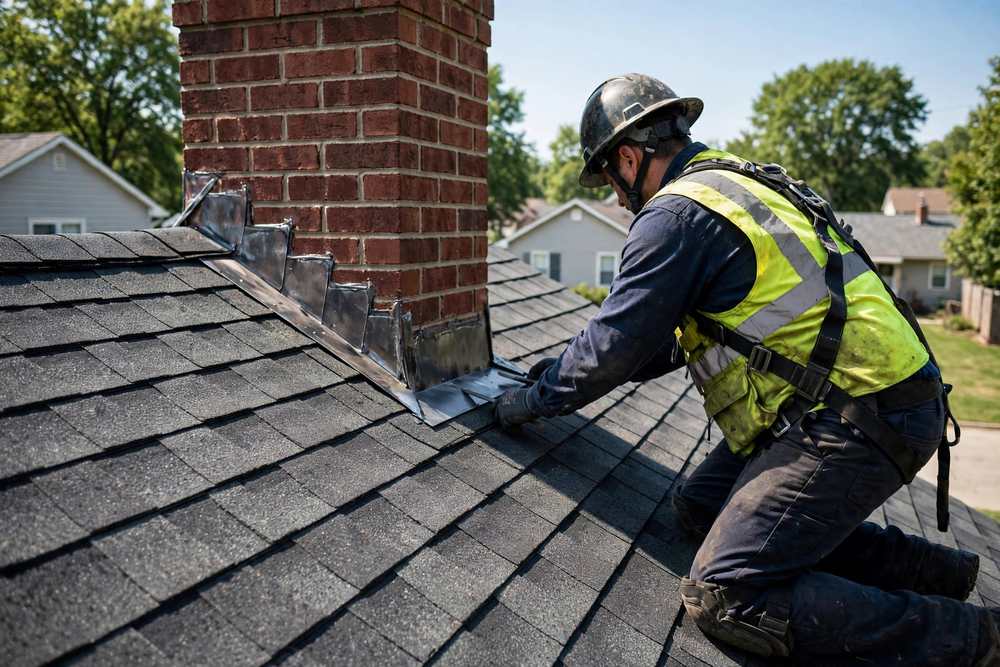
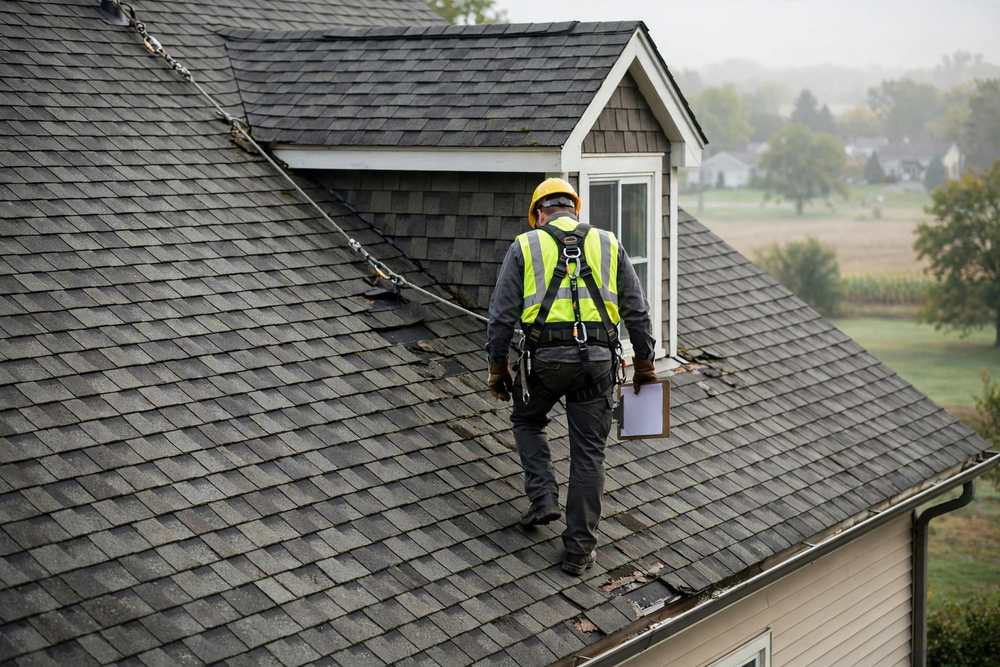
Inspection covers the roof surface and the attic, with photographs of shingle condition, flashing, valleys, and deck soft spots. The photo record shows what the roof needs.
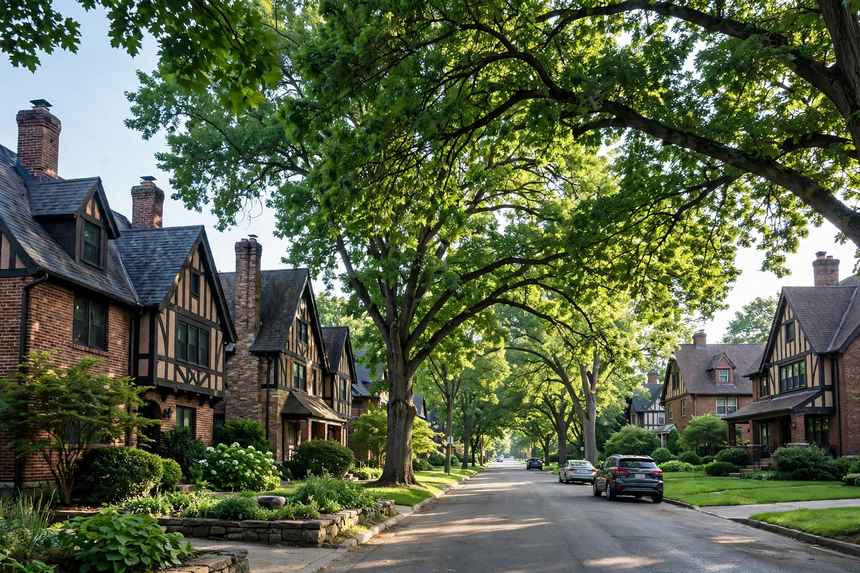
The shingle profile and color, the underlayment, flashing, and ventilation details, and the price are agreed in a written scope before work starts.
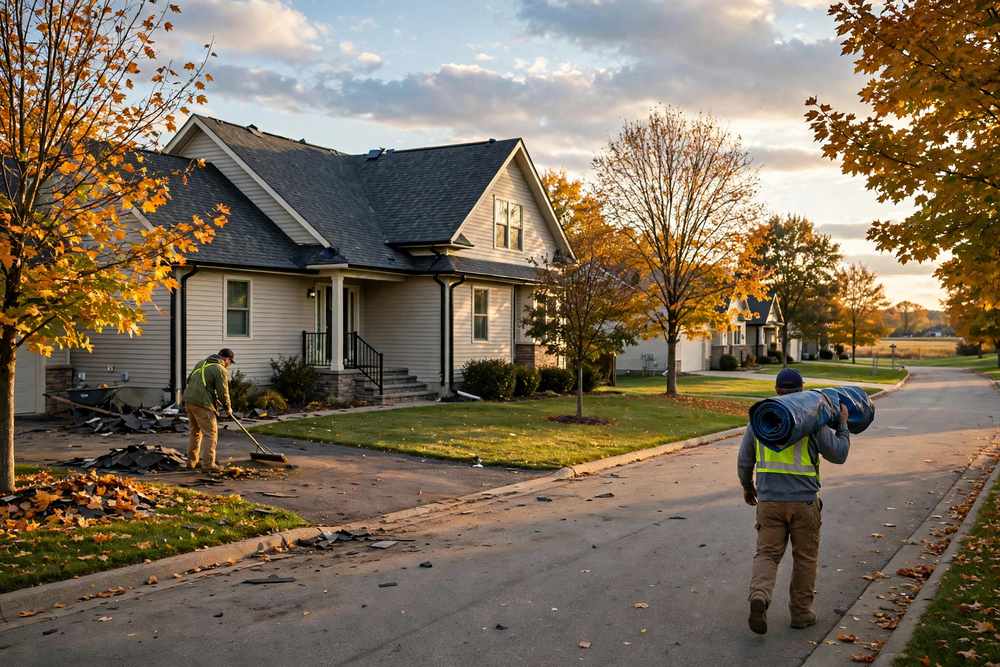
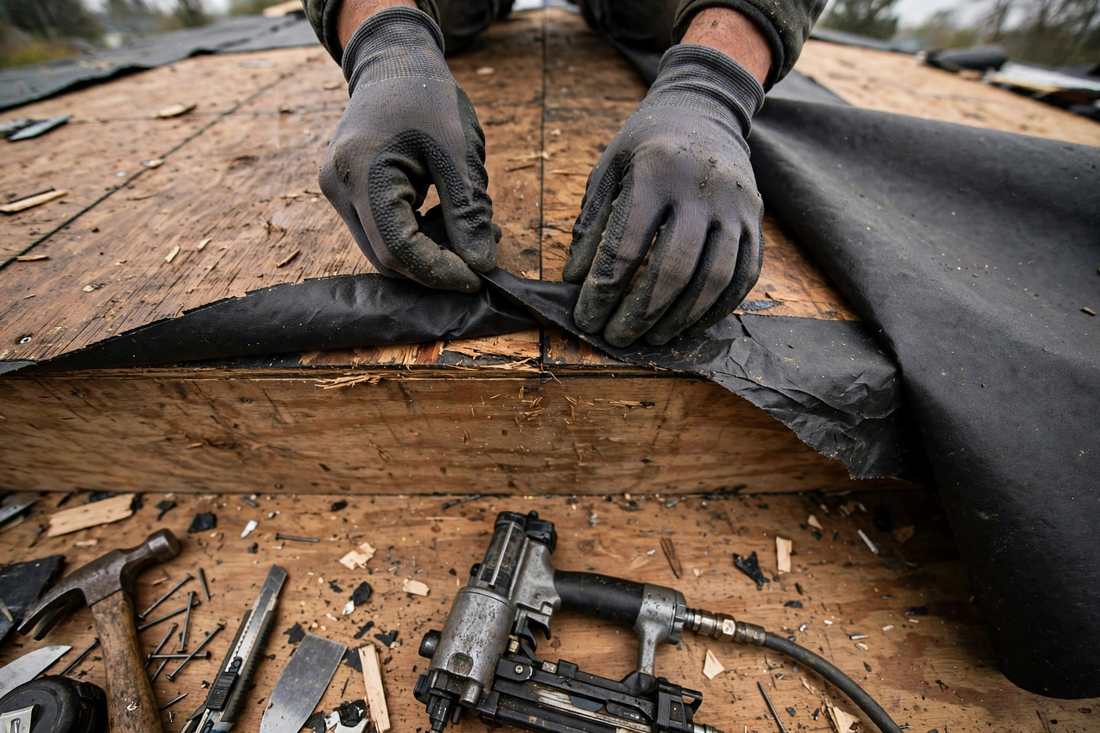
On replacement jobs, tear-off takes the old roof down to the deck, damaged sheathing is replaced, and loose boards are re-nailed. Ask for photographs of the exposed deck before it is covered.
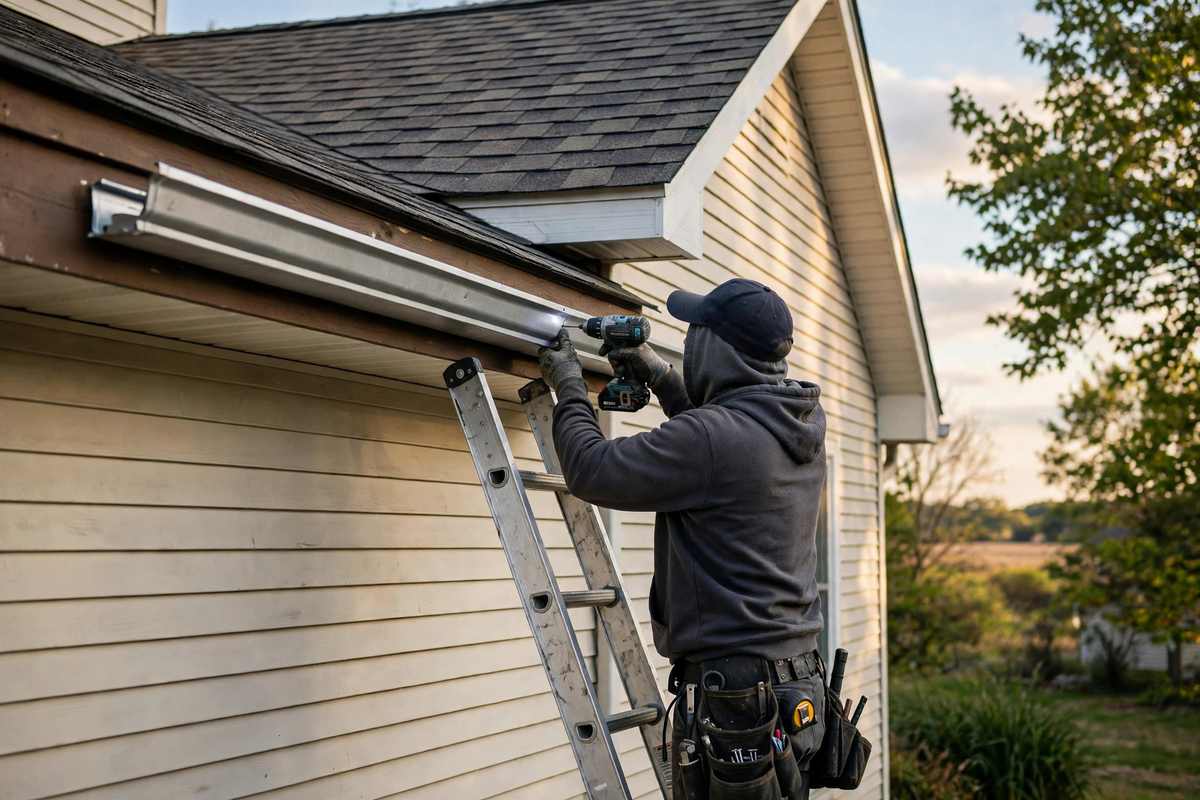
Ice barrier, underlayment, flashing, and shingle courses go in to the system specification, with ridge vent and intake vent as part of the assembly.
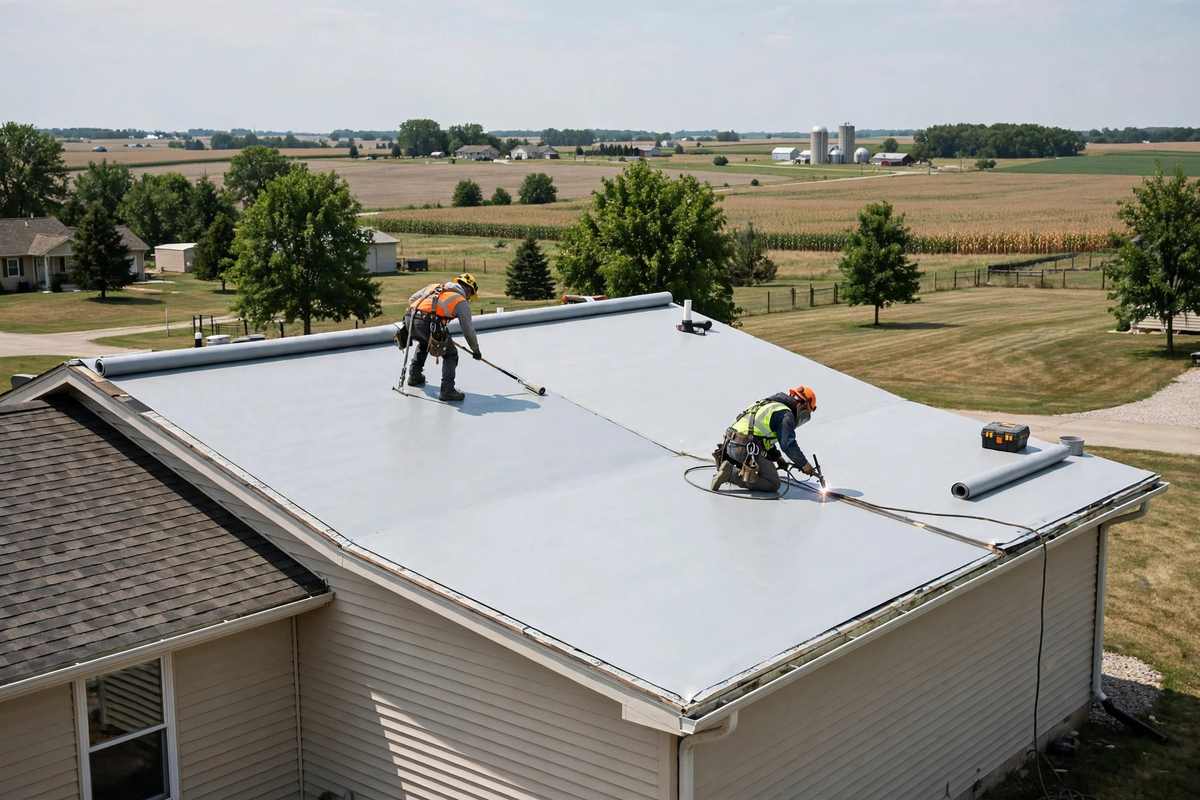
Ask for a magnet sweep of the yard, haul-away of debris, and a walkthrough of the finished roof. Ask for photos of the completed work.
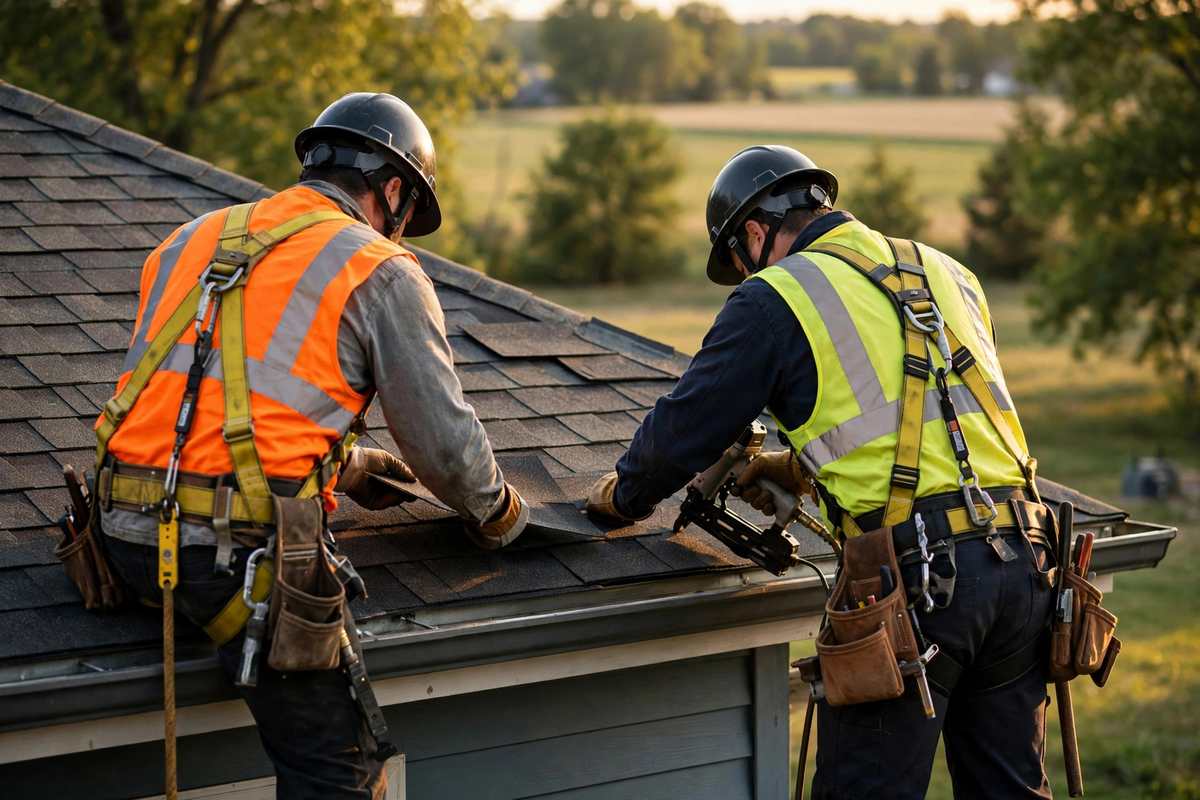
Drives nails to the correct depth and placement so shingles seal properly and meet the system nailing requirements.
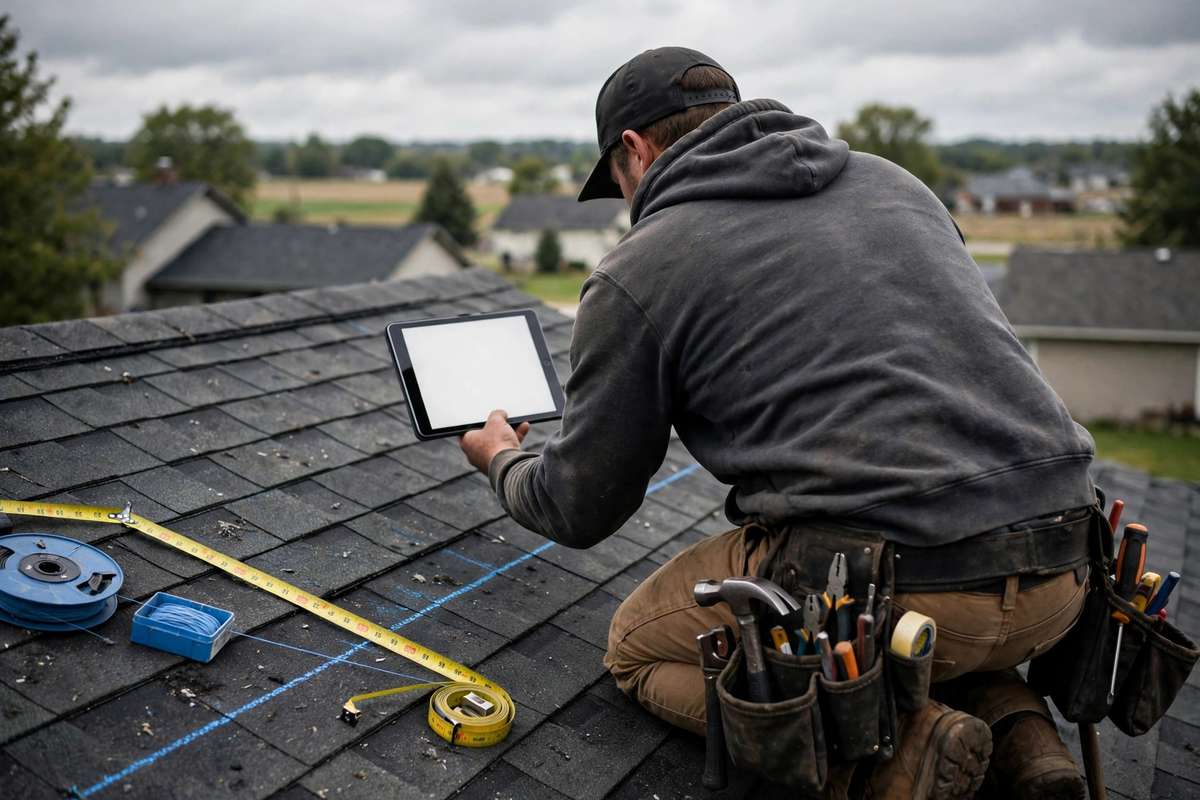
Finds hidden leaks and wet decking before tear-off, so the scope reflects the real condition of the roof.

Cuts clean edges at valleys and hips and sets shingles where a nail gun cannot reach.
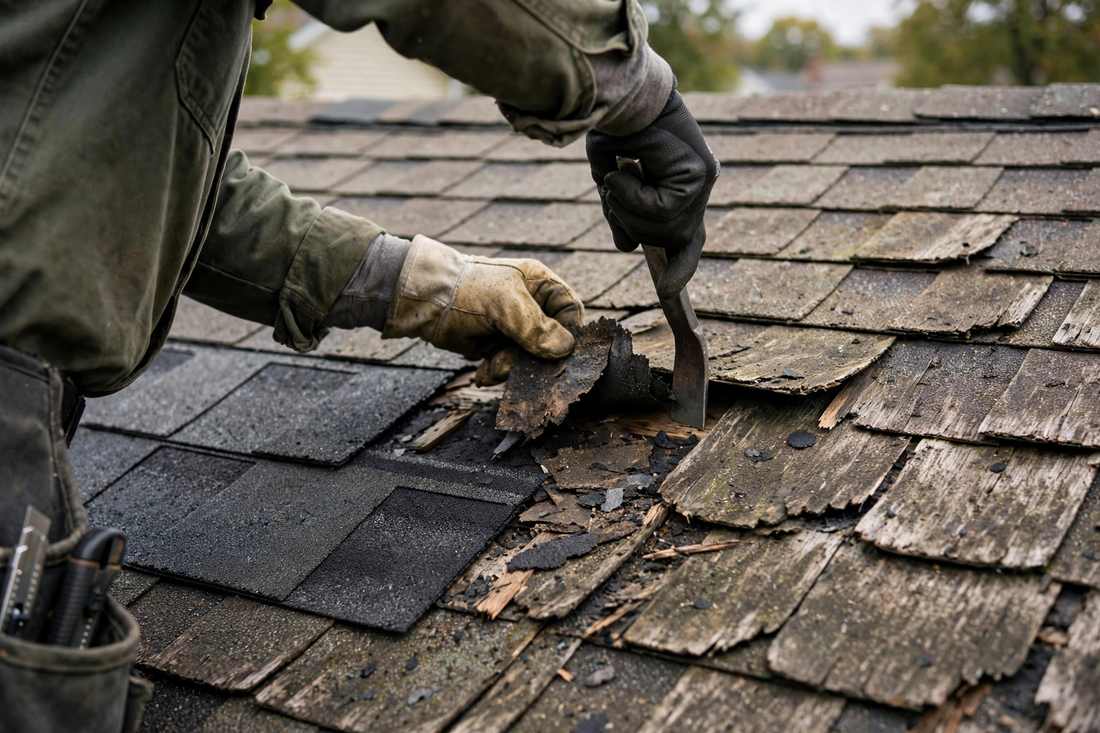
Removes old flashing and trims metal without damaging surrounding shingles or deck.
Keeps shingle courses straight across the roof, which matters on long runs.
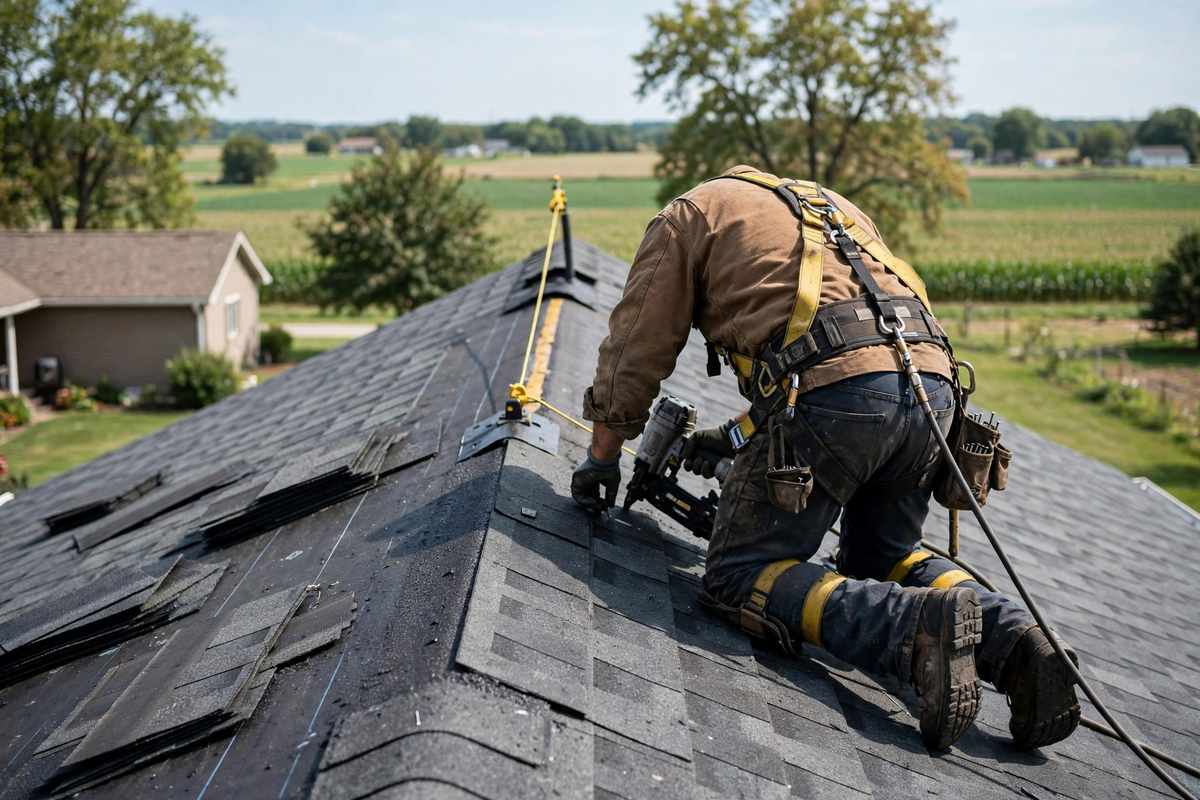
Keeps crews safe on steep pitches and two-story homes.
Shingles, starter strip, underlayment, and ridge cap go in as one specified system.
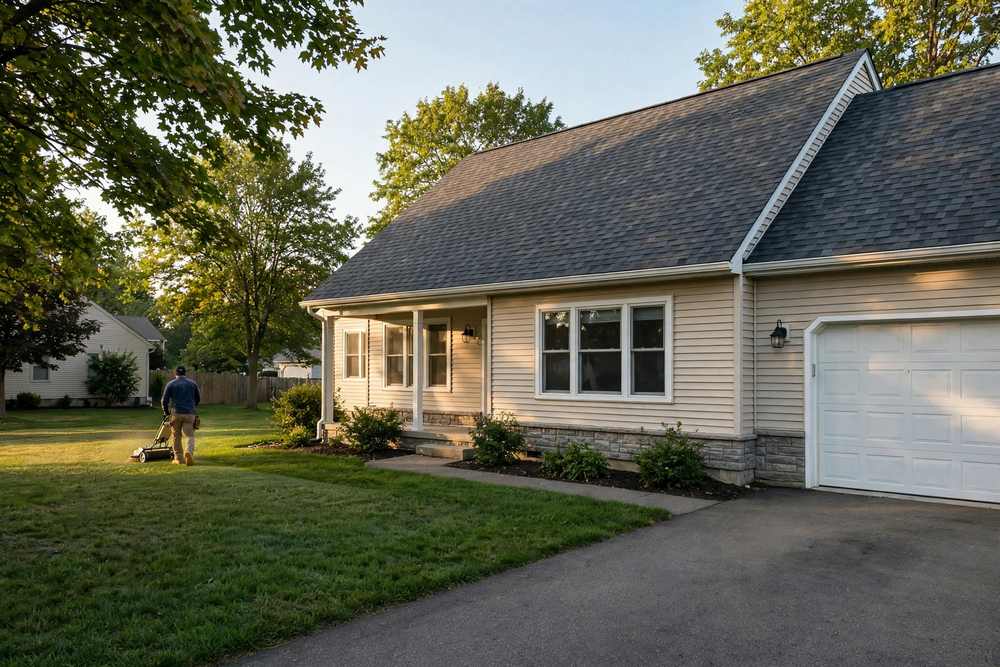
A self-adhering membrane under the shingles at the most leak-prone areas, sealing around nails and blocking ice dam backup.
After a hail storm, shingles may be bruised without looking damaged from the ground. An inspection looks for bruising and granule loss, documents with photos, and scopes repair or replacement based on how widespread the damage is.
Granules in the gutters and curling edges mean the shingle mat is wearing out. An inspection of the deck and attic confirms the condition and sets out whether repair or replacement fits.
A buyer's inspection that flags shingles needs a roofer's look, not a guess. Ask for an inspection, photographs, and a written summary of the shingle condition and what it needs.
Storm damage to a garage roof needs the same system as the house: deck check, underlayment, flashing, and matching shingles. The garage roof is scoped on its own layout.
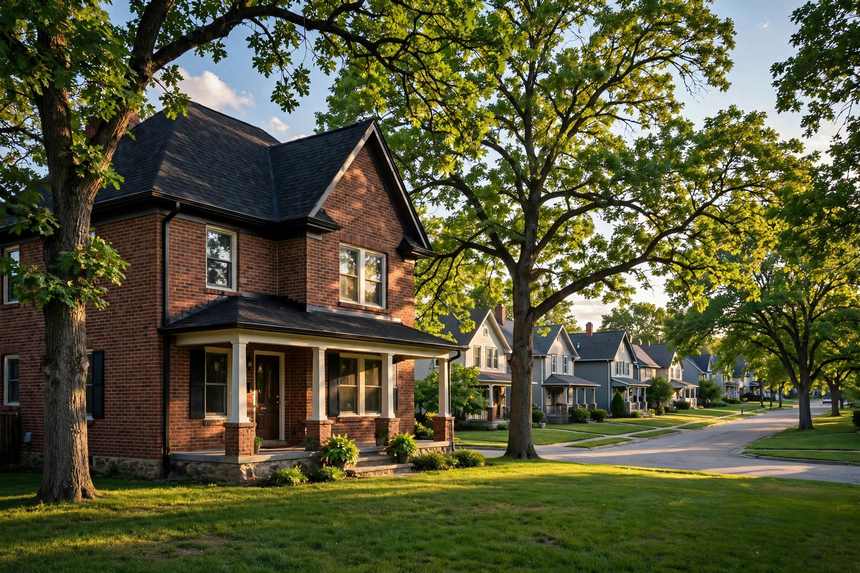
Shingle roofs across Des Moines face the same hail season and freeze-thaw cycles, but the housing stock changes what the work looks like, from steep Victorians to postwar ranches.
A south slope takes hail: granules collect in the gutters and the shingle mat is bruised across the slope. The north slope looks sound.
A typical scope documents the bruising with photos, replaces the affected slope with matching shingles, and checks flashing and ventilation while the slope is open. The sound slope is left alone.
A roof check after hail season catches bruising while the evidence is still visible on the shingles.
A steep two-story leaks at the chimney every time it rains hard. The flashing is original to an older roof, and the shingles around it are lifting.
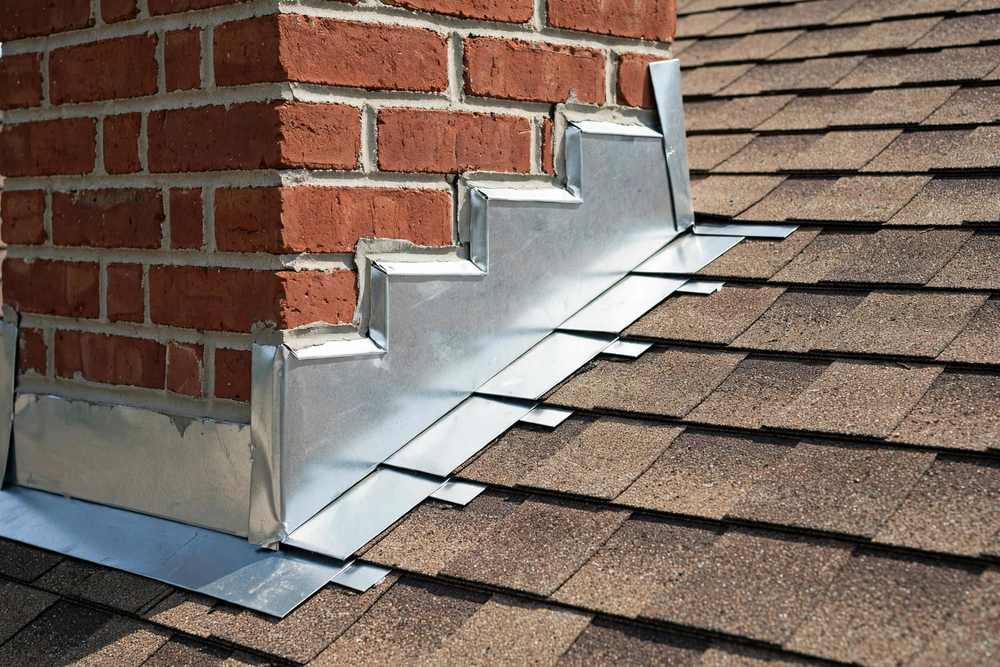
A typical scope rebuilds the chimney flashing with step and counter flashing, replaces the shingles around it, and checks the deck while it is open. The flashing, not the shingle field, was the failure.
Chimney flashing is worth a look each spring, since freeze-thaw cycles work it loose over time.
An aging roof has curling shingles, granule loss across whole slopes, and a history of repeated repairs. The deck has soft spots near a valley.
A typical scope tears off to the deck, replaces damaged sheathing, and installs a complete architectural shingle system with new flashing and ventilation.
Repeated repairs on a roof at the end of its shingle life cost more over time than one replacement. The inspection evidence makes the case.
Shingle problems start small and grow with every storm. Here is what shows up most.
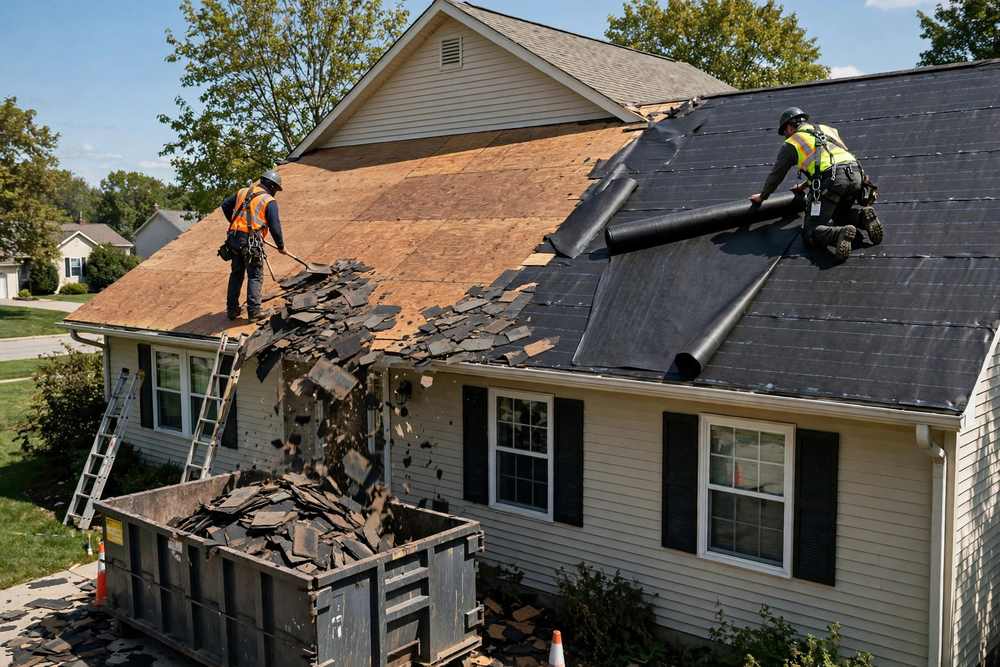
Missing shingles are replaced, lifted courses are resealed and re-nailed, and profile and color are matched. Wind lifts tabs from the edges first, and the next storm takes more.
Bruising is documented with photos slope by slope. Hail bruising shortens shingle life even when it does not leak at first, and it is often invisible from the ground.
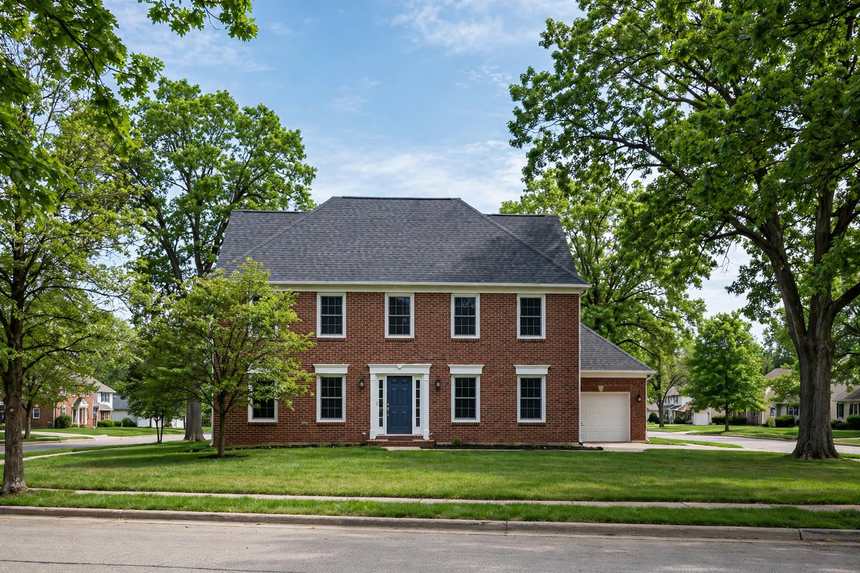
The check covers attic ventilation and ice barrier coverage at the eaves, and the cause is addressed so the cycle stops. Ice dams force meltwater under the shingles and into the attic.
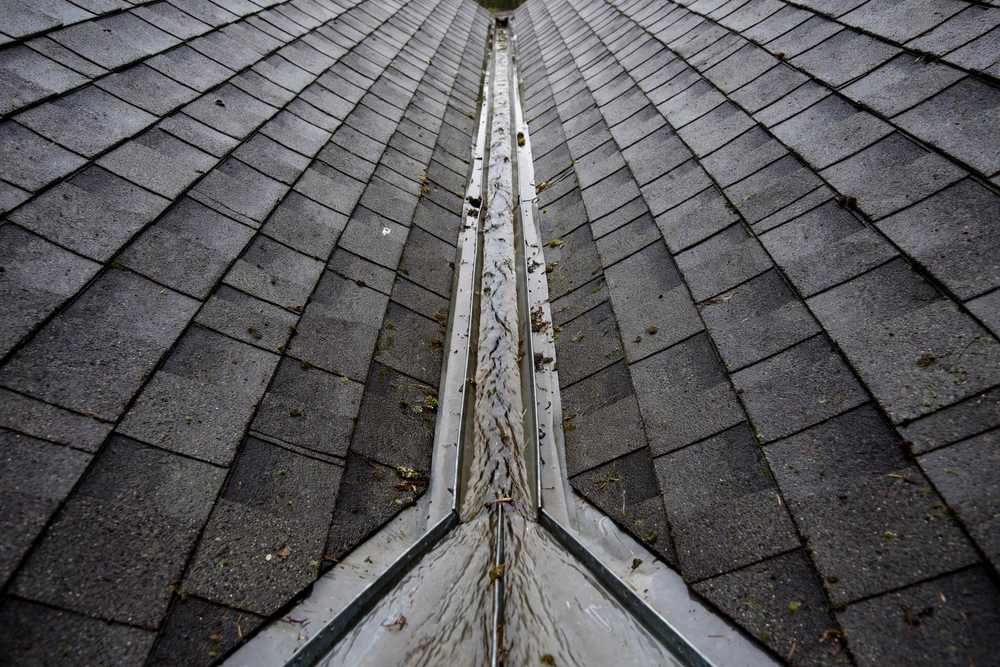
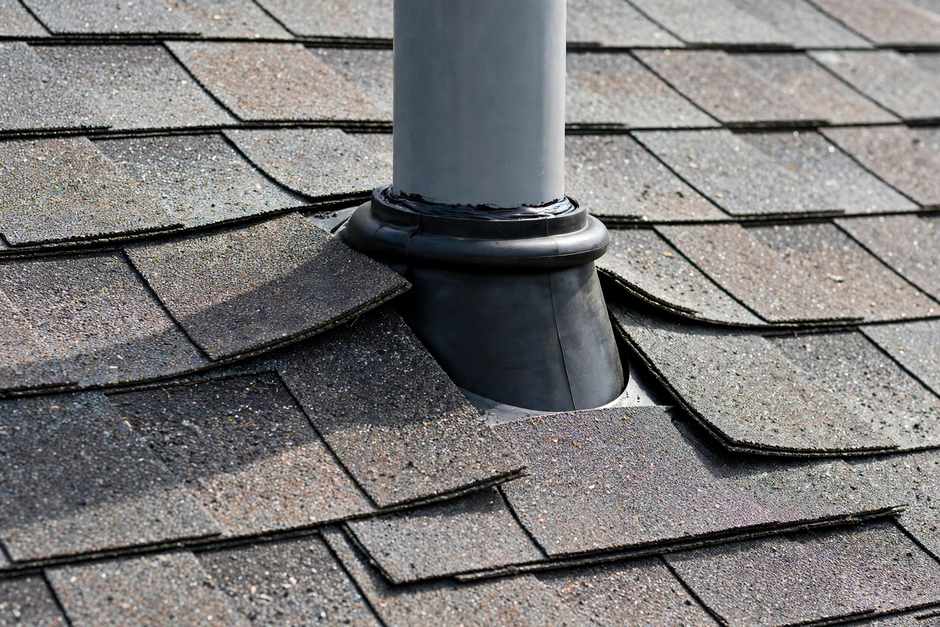
Flashing is rebuilt with proper step and counter flashing and the repair is water-tested. Failed flashing lets water travel along the deck and show up feet away.
Architectural shingles, laid to the system specification with proper nailing and flashing, stand up to Des Moines hail and wind seasons. Class 4 impact-resistant options are available for hail-prone roofs.
Damaged courses can be replaced without disturbing the sound field. Shingle roofs are repaired slope by slope, which keeps isolated damage straightforward to address.
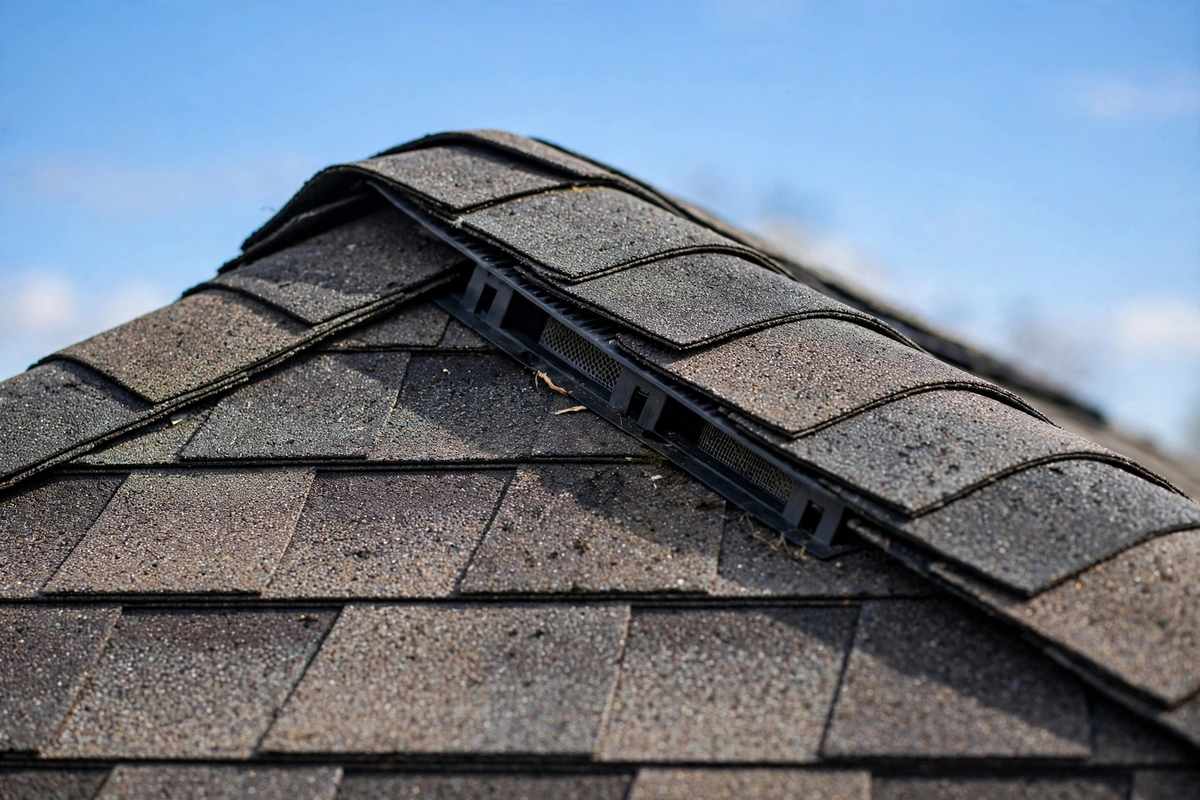
Intake and ridge venting balanced to the attic keep the deck cooler and drier, which protects the shingles from below as well as above.
Ice and water shield at the eaves, paired with ventilation that keeps the deck cold, blocks the meltwater backup that causes ice dam leaks.
Records worth asking for, to keep and share.
Ask for the shingle system, flashing, and ventilation listed
Ask for hail and wear documented slope by slope
Three checks tell you whether repair or replacement fits. An inspection covers all three with photos.
Soft decking under a small repair is fixable. Damage across a large area means the roof is near the end of its life. Through December 31, 2026, the City handout rule is no permit for a straight reroof, with a permit required when sheathing or rafters are repaired or replaced. From January 1, 2027, a re-roofing permit is required under Council Communication 26-244.
Granule loss across whole slopes means the shingle mat is wearing out. Granules in the gutters after every rain are the visible sign.
Damage on one slope is often a repair. Damage across multiple slopes usually means replacement fits better over time than repeated repairs.
Questions about an address in Des Moines? Call (515) 385-2566 and ask.
The price depends on the size of the roof, its pitch, the number of existing layers, the condition of the deck, and whether three-tab or architectural shingles are chosen. Ask for an inspection and a written scope with the price before work starts.
As planning ranges, three-tab asphalt shingles last 15 to 20 years and architectural asphalt shingles 20 to 30 years. These are planning ranges, not guarantees. Hail, freeze-thaw cycles, ice dams, and ventilation all move the real number.
Architectural shingles handle hail better than three-tab, and impact-resistant Class 4 shingles are available for hail-prone roofs. Des Moines has no mandate requiring Class 4 shingles. Whether an insurer offers a discount for them depends on the insurer.
When damage is isolated and the surrounding shingles and deck are sound, replacing the affected courses is the right scope. Widespread granule loss, curling across whole slopes, or soft decking points toward a full replacement. An inspection shows which one fits.
Call ZT Contracting LLC at (515) 385-2566 to arrange a shingle inspection, and ask for the roof photographed, repair versus replacement explained, and the work scoped in writing.
Call (515) 385-2566, Monday through Saturday, 8 AM to 6 PM, to arrange a time to look at your roof. We are closed on Sundays.