Written scope
Ask for the system, flashing, and ventilation listed before work
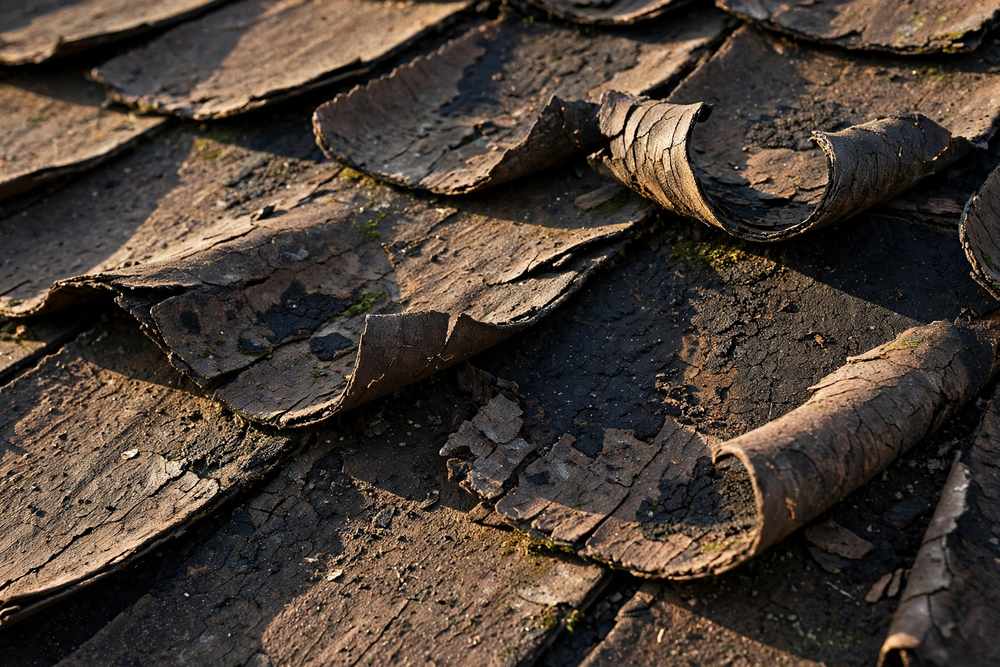
When your shingles are curling, granule-bare, or patched one too many times, roof replacement in Des Moines, IA is the fix that addresses the leaks at their source. A replacement tears off the old layers, inspects the decking, and installs a complete roof system sized for Iowa wind and snow. Ask for each step explained before the first shingle comes off.
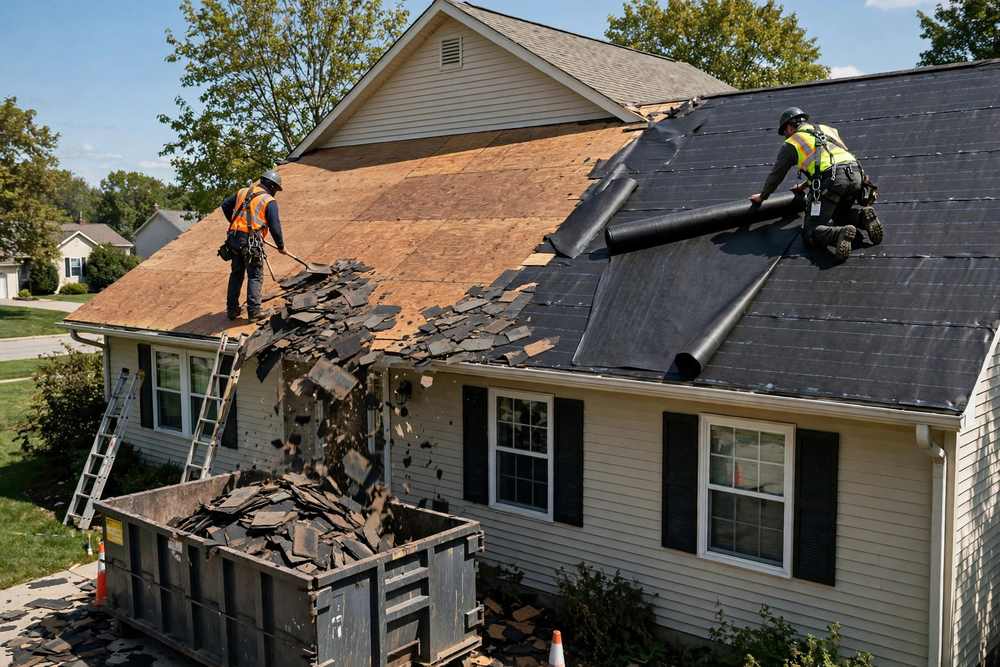
A replacement is a complete system, not just shingles nailed over old ones. The scope below is the standard scope for a full replacement. If a roof needs something extra, like deck repair, ask for it priced separately and agreed before work starts.

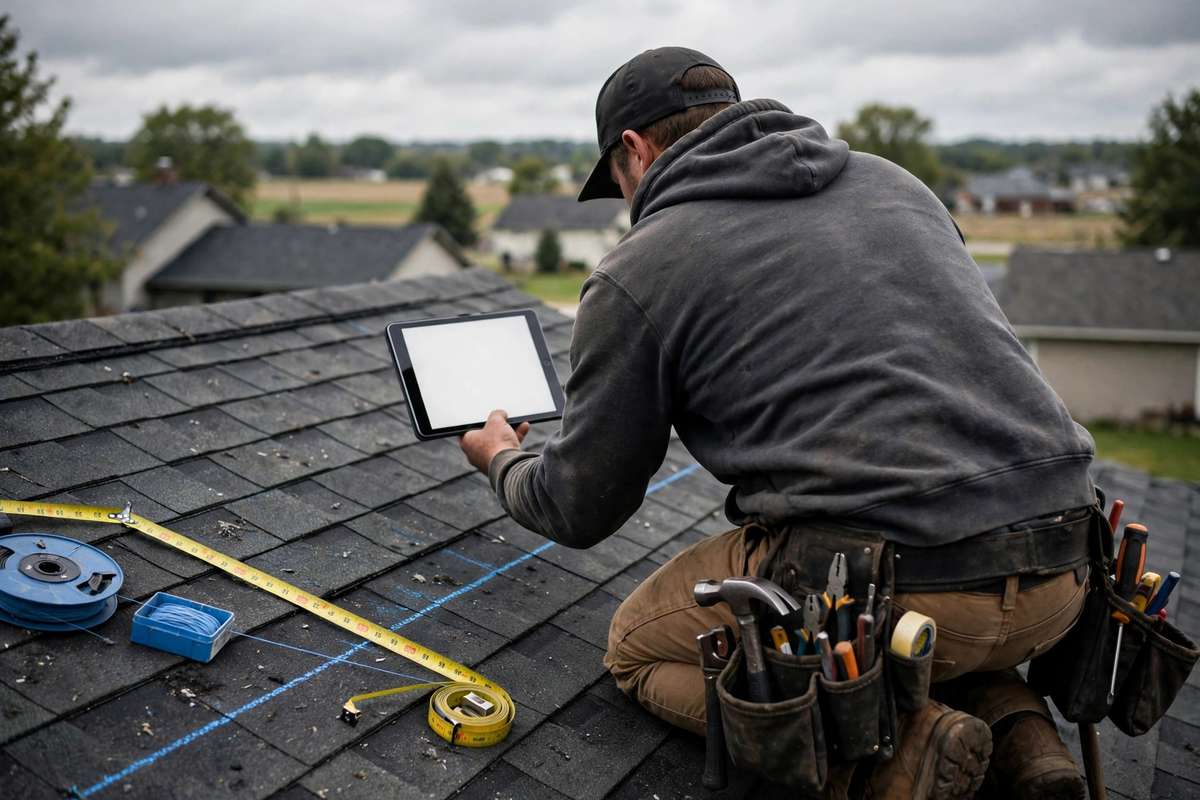
Roof replacement covers Des Moines homes of every age and pitch, from bungalows to two-story builds. Ask for a written scope, protected landscaping, and a clean yard at the end.
Bigger homes and multi-unit houses need the same careful tear-off and flashing work, staged so the home stays dry throughout. Each roof is scoped on its own layout and pitch.
Roof replacement in Des Moines, IA is the full removal of your existing shingles, underlayment, and flashing down to the deck, followed by a new roof system built to the code in force. The work typically starts with a moisture meter and infrared camera pass to find soft decking and hidden leaks, then strips the roof, replaces damaged sheathing, and rebuilds the layers in order: ice and water shield at the eaves and valleys, underlayment across the field, new flashing at chimneys and walls, and finally the shingles. Nothing gets reused that should not be.
Des Moines roofs take a beating. Summer hail, winter ice dams, and spring wind that peels back three-tab shingles all shorten roof life, and older homes in Beaverdale and Sherman Hill may carry more than one old layer, which can trap heat and hide rot. Des Moines enforces the 2024 International Residential Code and International Building Code, effective January 1, 2026, and an ice barrier is required. A new roof resets the clock and is the time to fix attic ventilation at the same time. If the damage is limited, a roof repair may be the right call instead, and the inspection will say so.
A roof lasts when the deck, flashing, and ventilation are handled, not just the shingles.
A roof replacement disrupts the household, so a clear schedule and a clean yard matter. Here is the typical sequence, from the first call to the final walkthrough.
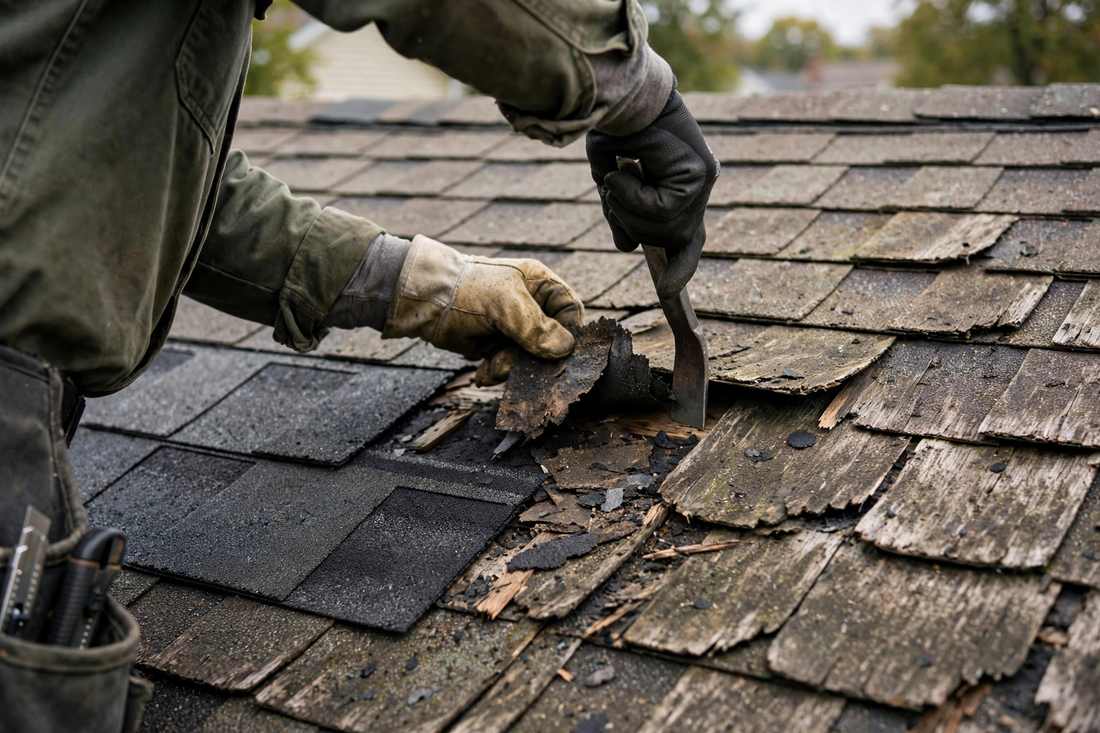
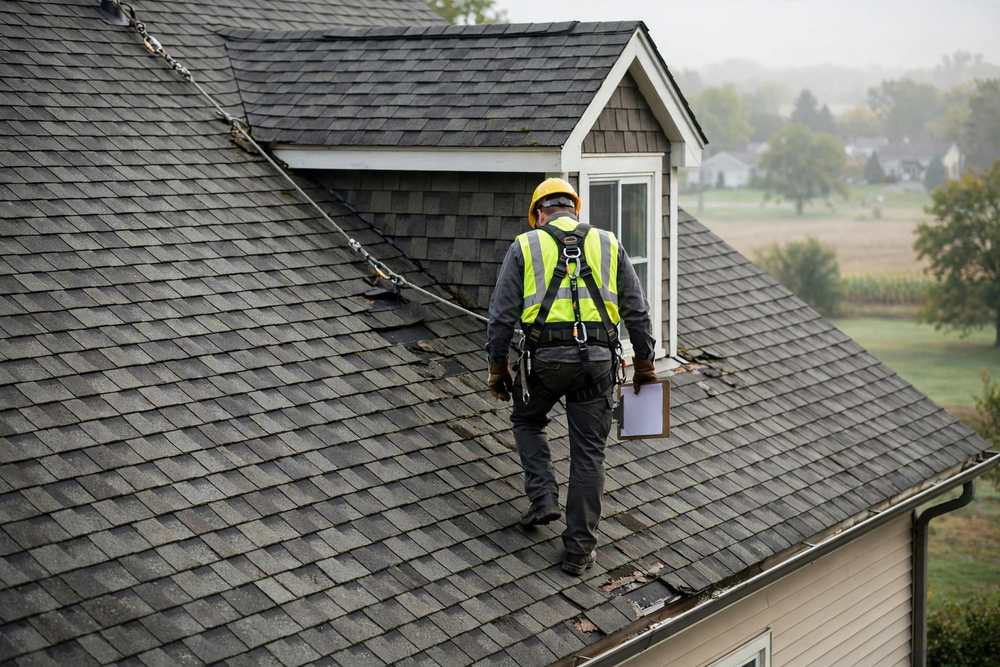
The roof is walked, the attic is checked, and problem areas are photographed. Ask for a written scope that lists the shingle system, underlayment, flashing, and ventilation, plus what was found on the deck, explained in plain terms.
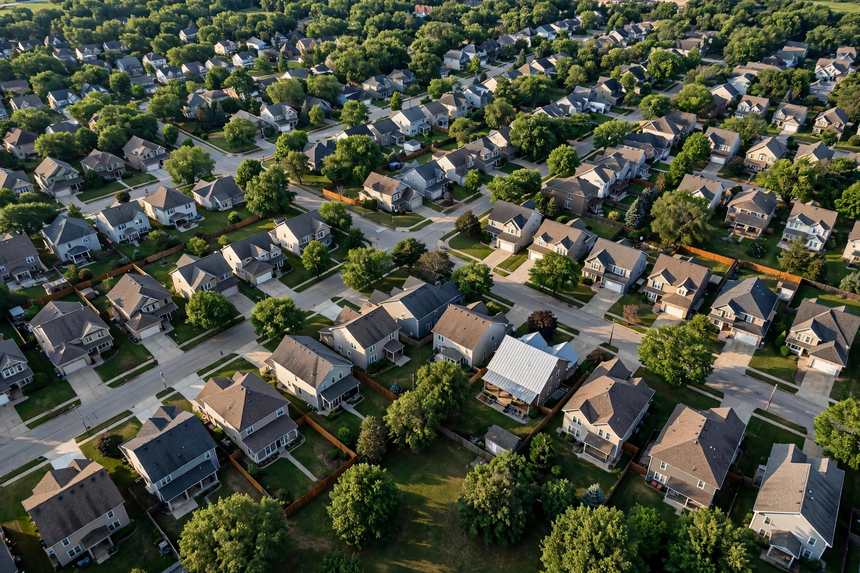
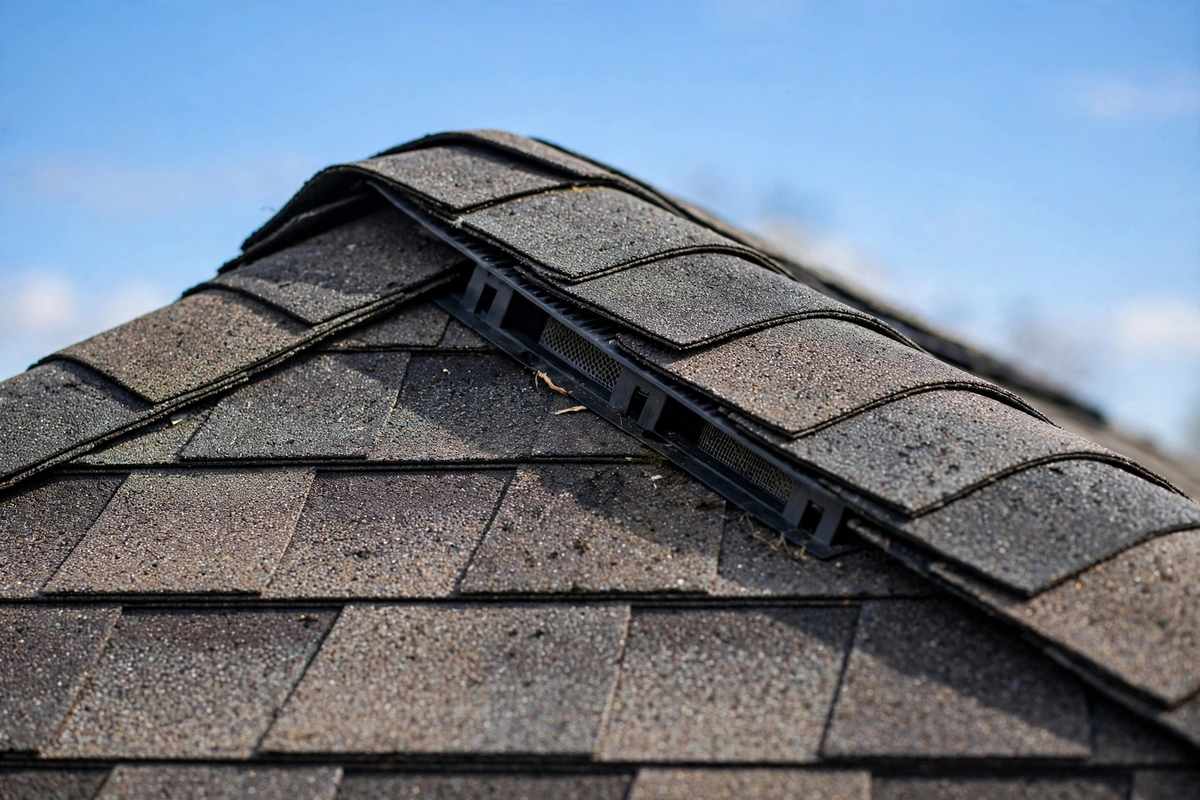
Shingle samples show the color against the siding. Ventilation is sized to the attic and ice and water shield coverage is confirmed for the roof pitch. The system is approved before ordering.
Ask for the landscaping covered and plantings protected on install day, while the old roof is stripped to the deck. Damaged sheathing found is replaced and loose boards are re-nailed.
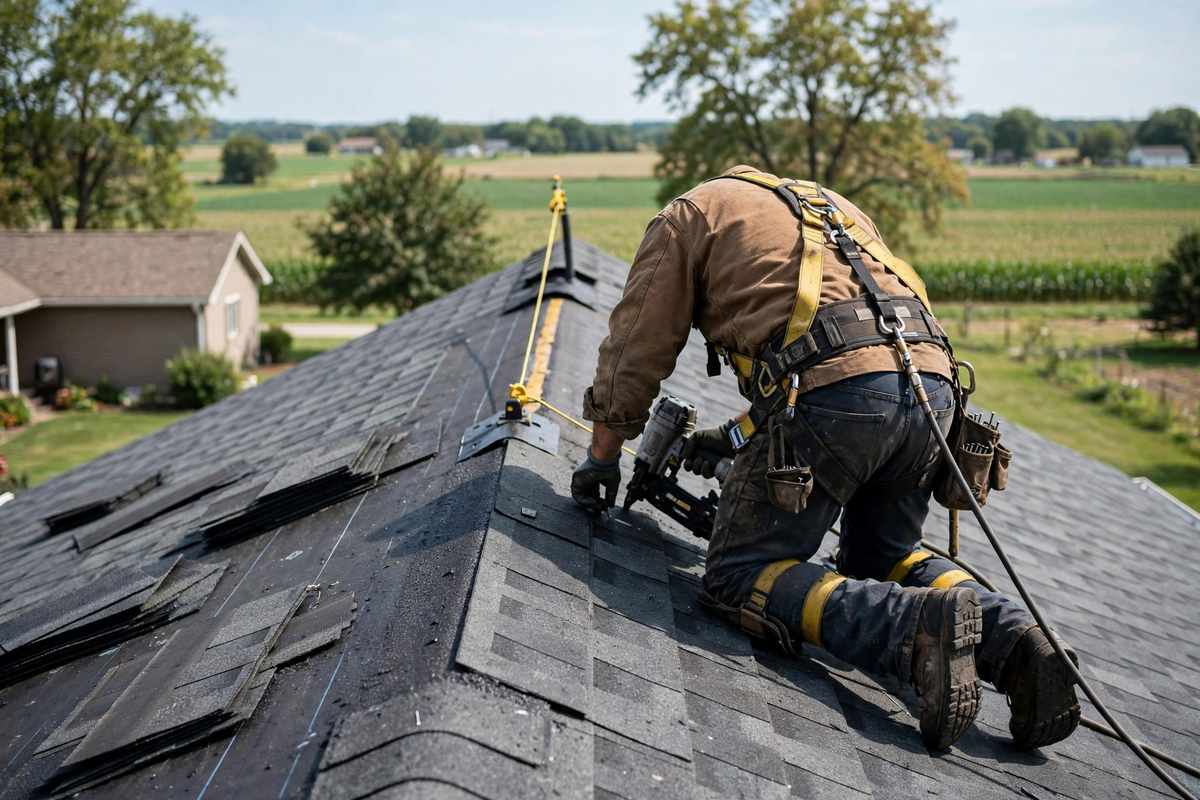
Ice and water shield, underlayment, and new flashing at chimneys, walls, and skylights go in, then the shingles. Ridge vent and intake vent go in as part of the system.
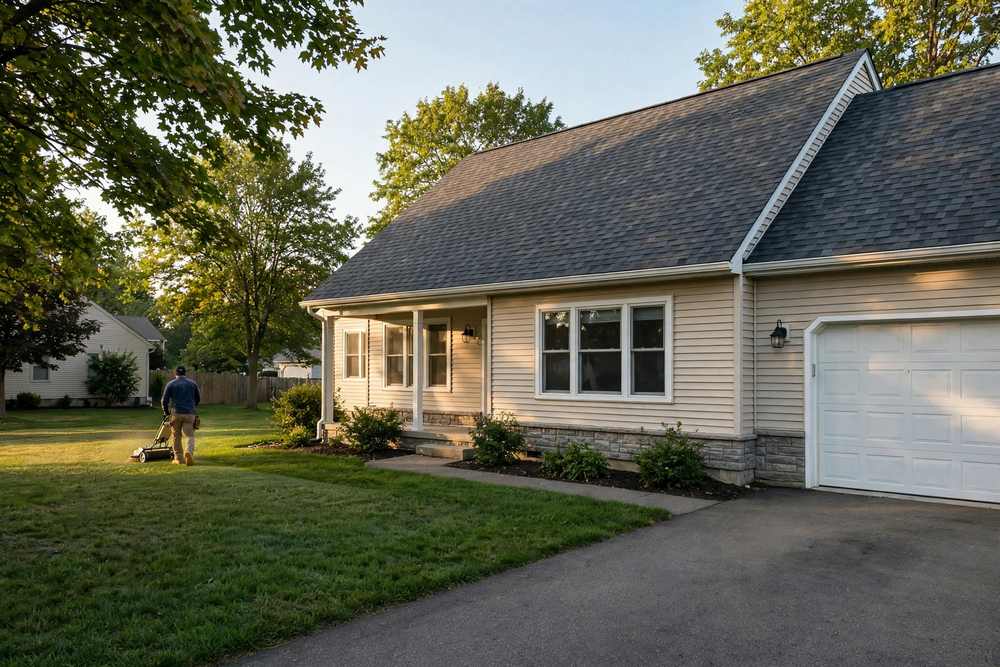
Ask for the yard and driveway magnet-swept for nails, and the finished roof walked through. Ask for photos of the finished job. If anything looks off in the first weeks, call (515) 385-2566.
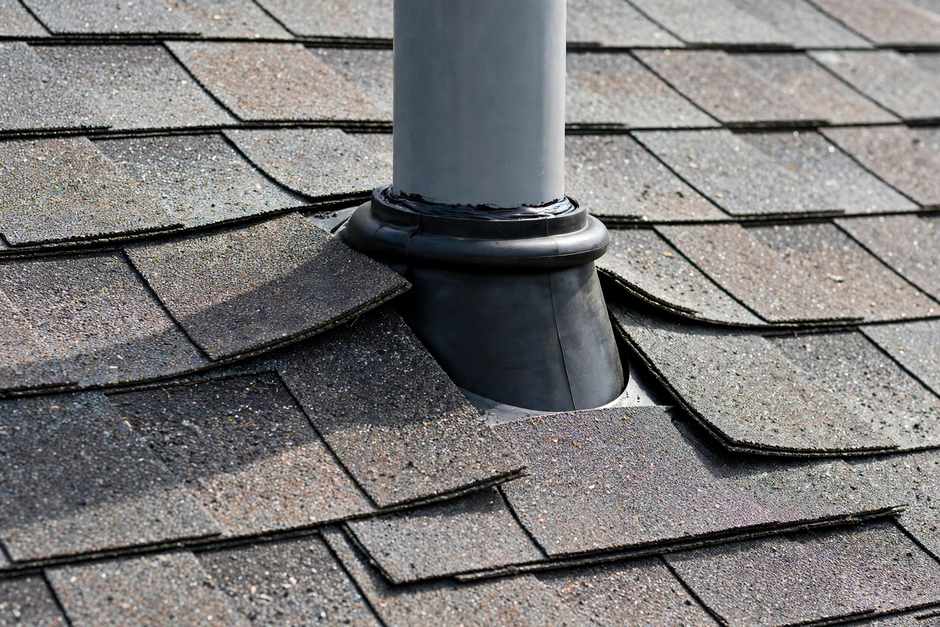
Drives nails to the correct depth and placement so shingles seal properly and meet the system nailing requirements.
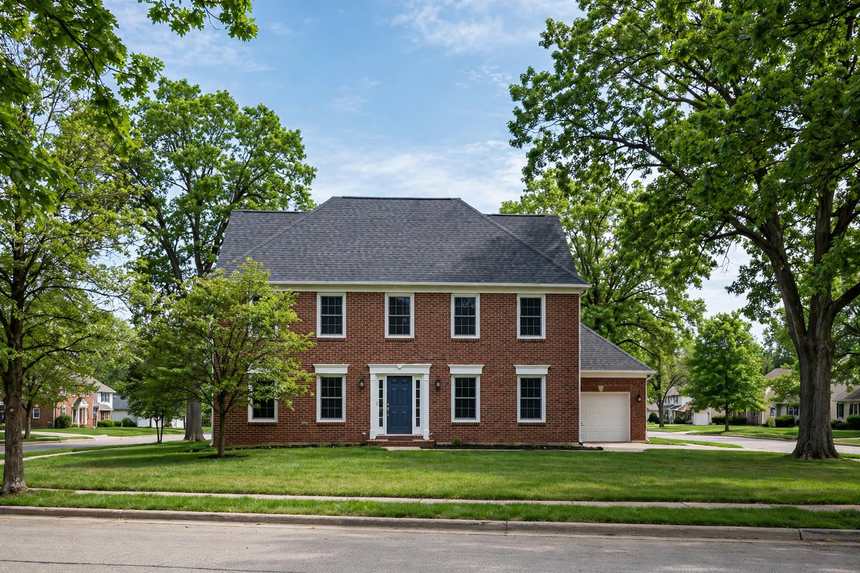
Finds hidden leaks and wet decking before tear-off, so the scope reflects what the roof is hiding before it comes apart.
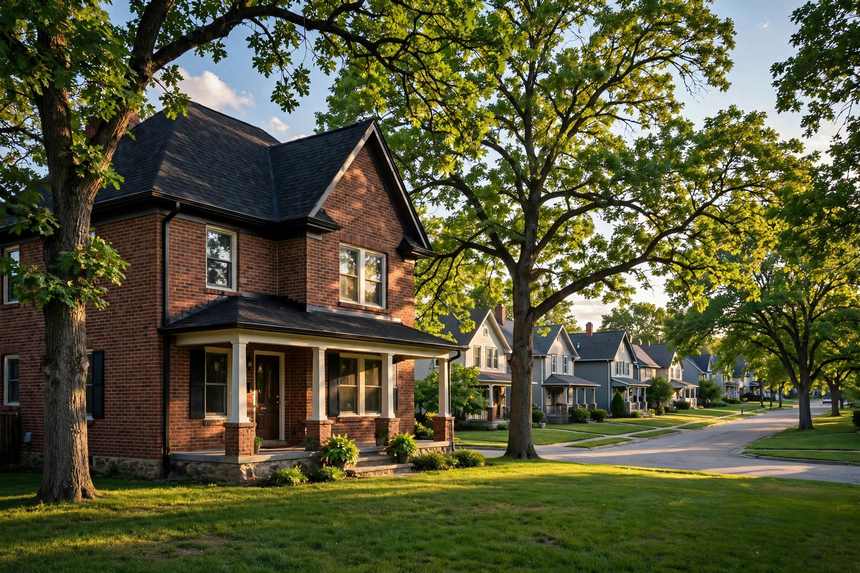
Cuts clean edges at valleys and hips and sets shingles where a nail gun cannot reach.
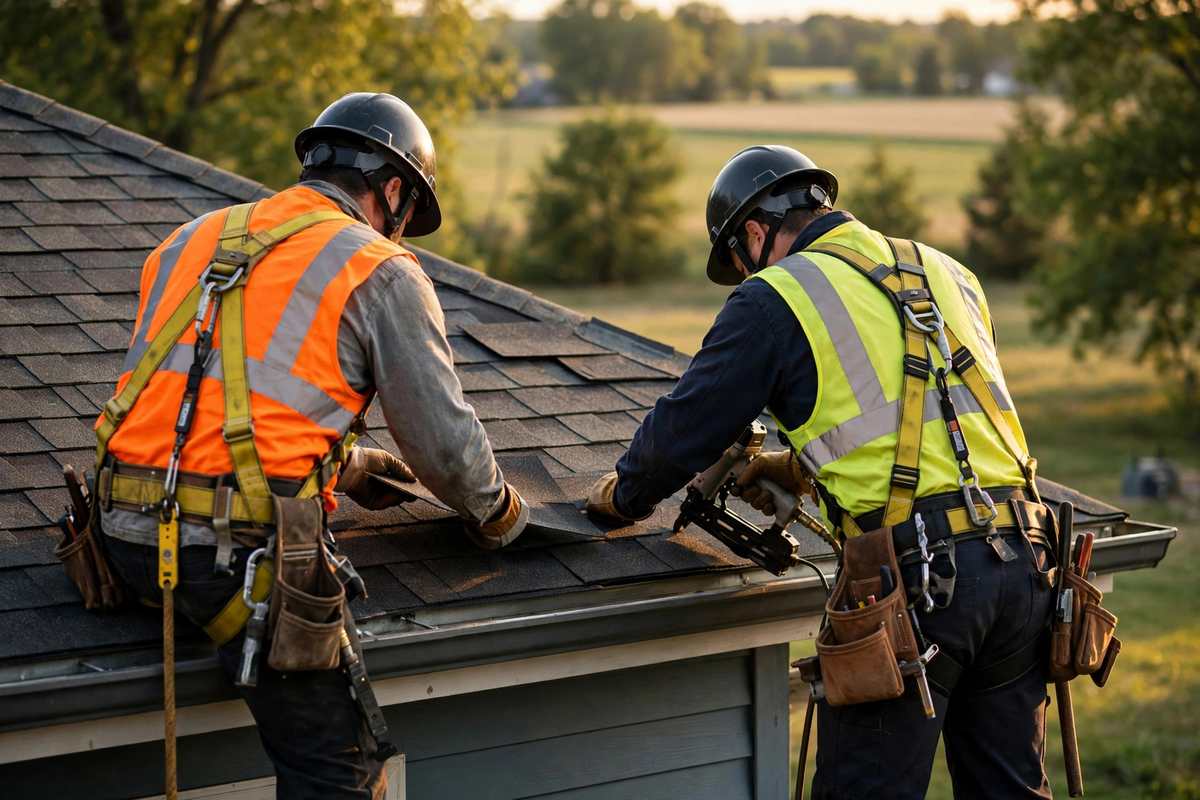
Removes old flashing and trims metal without damaging the surrounding shingles or deck.
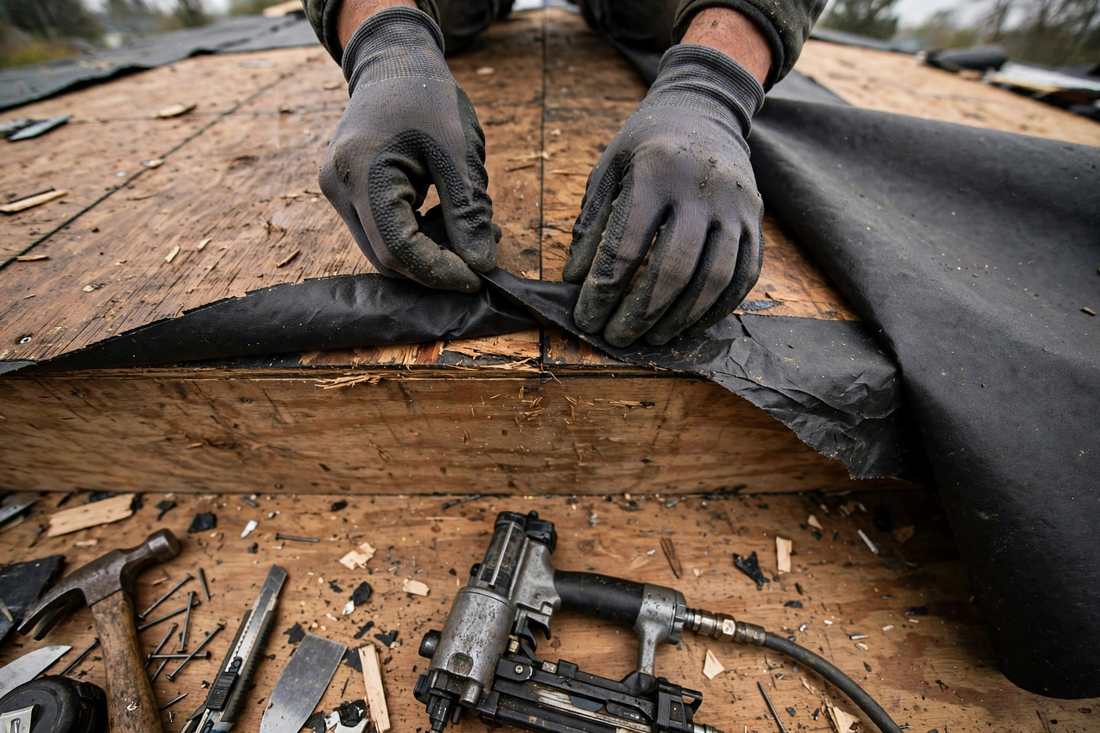
Keeps shingle courses straight across the roof, which matters on the long runs common on Des Moines ranches.
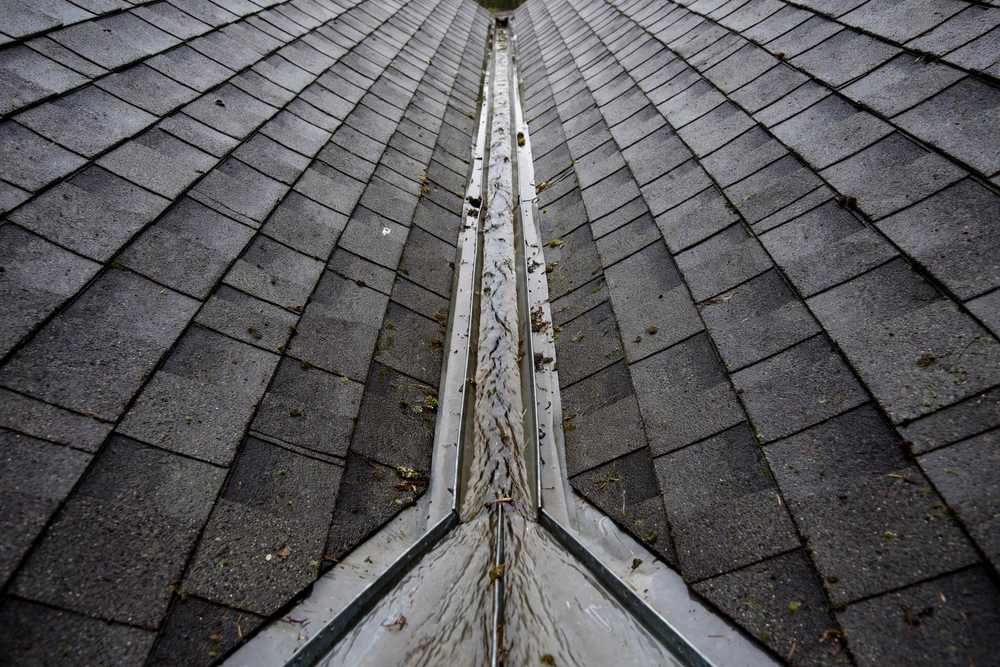
Keeps crews safe on steep pitches and two-story homes, and allows roof access without damaging gutters.

The shingle system goes in as specified, including starter strip, underlayment, and ridge cap, as one assembly.
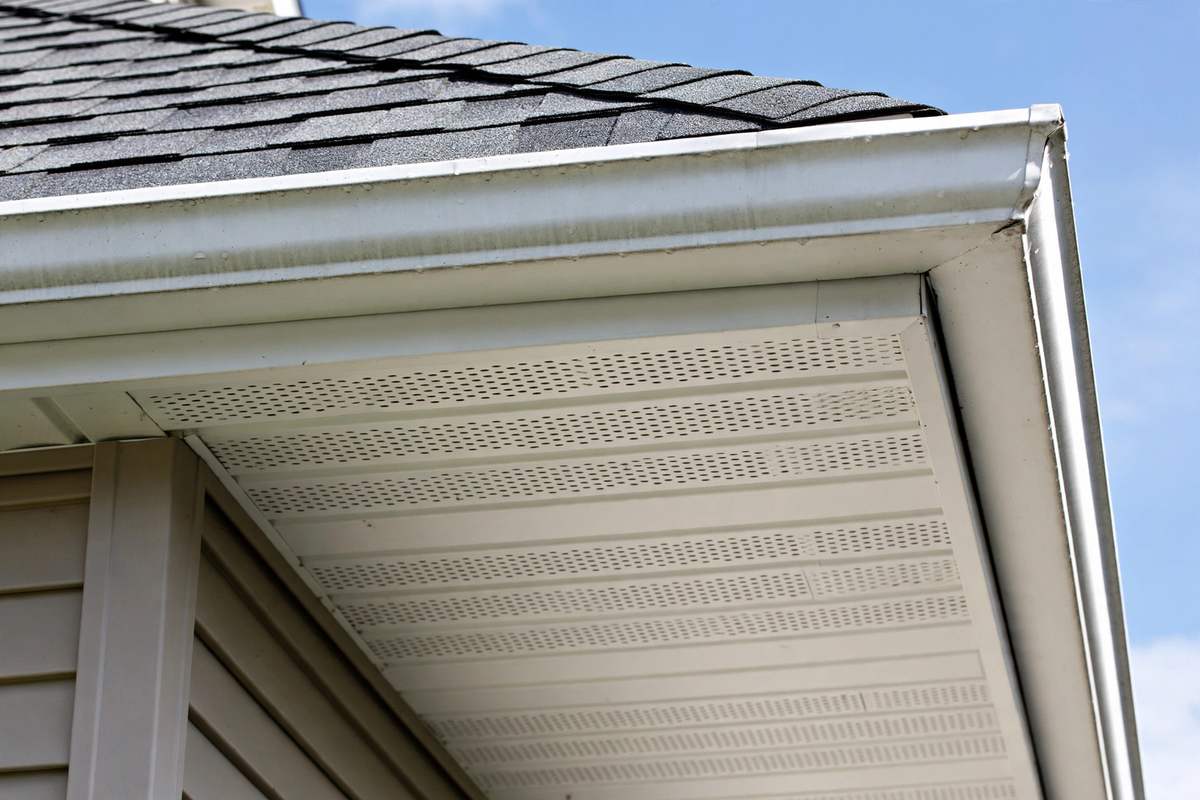
A self-adhering membrane goes under the shingles at the most leak-prone areas, sealing around nails and blocking ice dam backup during Des Moines freeze-thaw cycles.
Granule loss, curling, and repeated repairs in a short period point to a shingle mat that is failing. An inspection of the deck and attic confirms the condition, and a new architectural shingle system with fresh underlayment and ventilation ends the repair cycle. The attic runs cooler.
Two layers trap heat and hide rot. Both layers are torn off, damaged decking near the chimney is replaced, the flashing is rebuilt, and a new system sized for the steep pitch goes in. The chimney leak stops and the roof meets the code in force.
A flat porch roof that ponds water needs membrane, not shingles, on the low-slope section. Membrane goes on the low slope and shingles on the main roof, with drainage and new flashing at the wall tie-in.
Widespread hail bruising across whole slopes is a replacement conversation, not a patch. Ask for hail hits documented with photos and measurements, and a written scope to share with the insurer. Coverage decisions belong to the insurer.
Des Moines roofs face a specific mix of weather: hail in spring and summer, ice dams in January and February, and straight-line wind that peels ridges. Building stock matters too. Older homes often have multiple shingle layers and steep pitches that need careful tear-off, and the code in force requires an ice barrier on every roof.
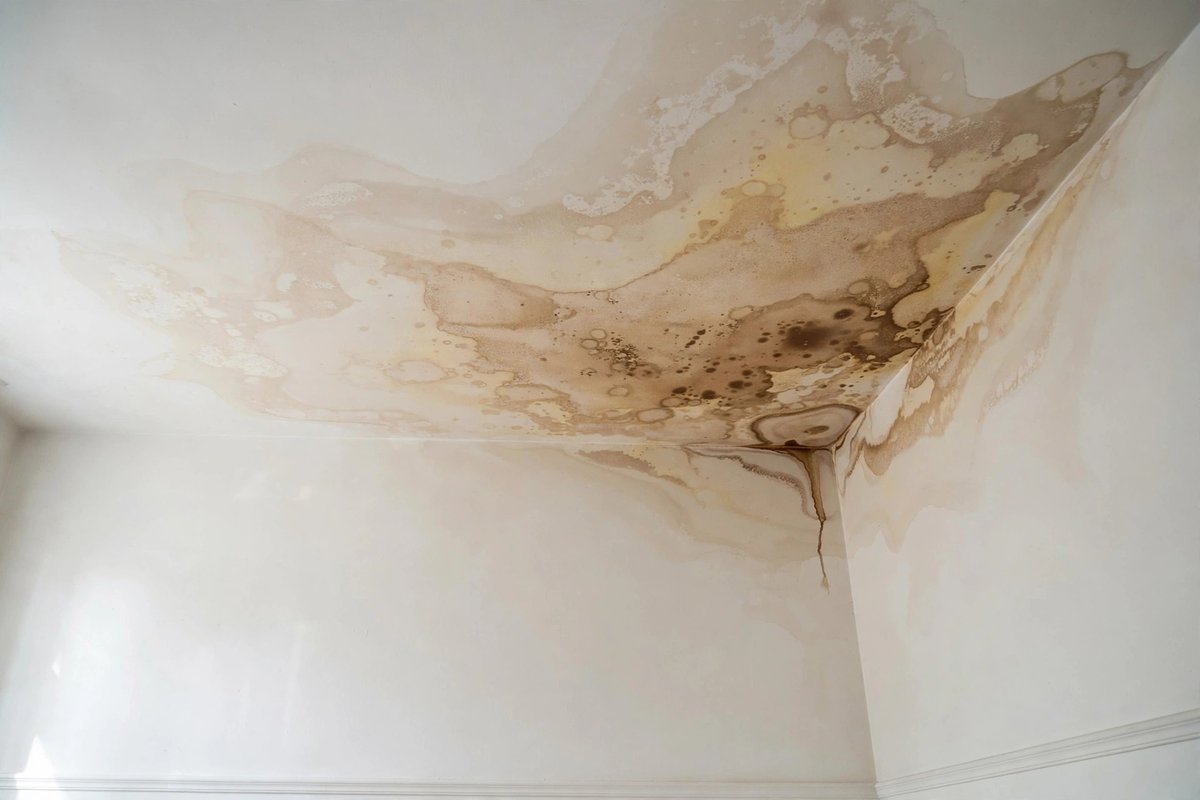
A mid-century bungalow carries two old shingle layers, granule loss across the south slope, and a ceiling stain over the kitchen from a chimney leak. The roof has been patched more than once.
A typical scope strips both layers, replaces damaged decking, rebuilds the chimney flashing, and installs new shingles with new ridge vent. The leak source is addressed rather than patched over.
Keeping gutters clear of debris and arranging a roof check after hail season help a new roof and its flashing hold up.
A roof takes hail across the west slope. Granules collect in the gutters and the shingle mat is bruised in many places. The homeowner is unsure whether repair or replacement fits.
A typical scope documents the hail hits with photos and measurements and provides a written scope to share with the insurer. Where bruising is widespread, replacement of the affected slopes is scoped rather than spot patching.
An inspection after any hail storm catches damage early, while the evidence is still visible on the shingles.
A porch roof ponds water after every rain and leaks into the ceiling below. The old low-slope roofing is patched and blistered, and the wall tie-in flashing is failing.
A typical scope removes the old roofing, installs membrane with slope toward the drain, and rebuilds the wall flashing. Ponding is addressed at the drainage level, not with surface patches.
Keeping the drain outlet clear helps membrane roofs drain and keeps standing water from stressing the seams.
Most roof failures start small and give warning signs for months. Here are the problems seen most in Des Moines and what happens if they are ignored.
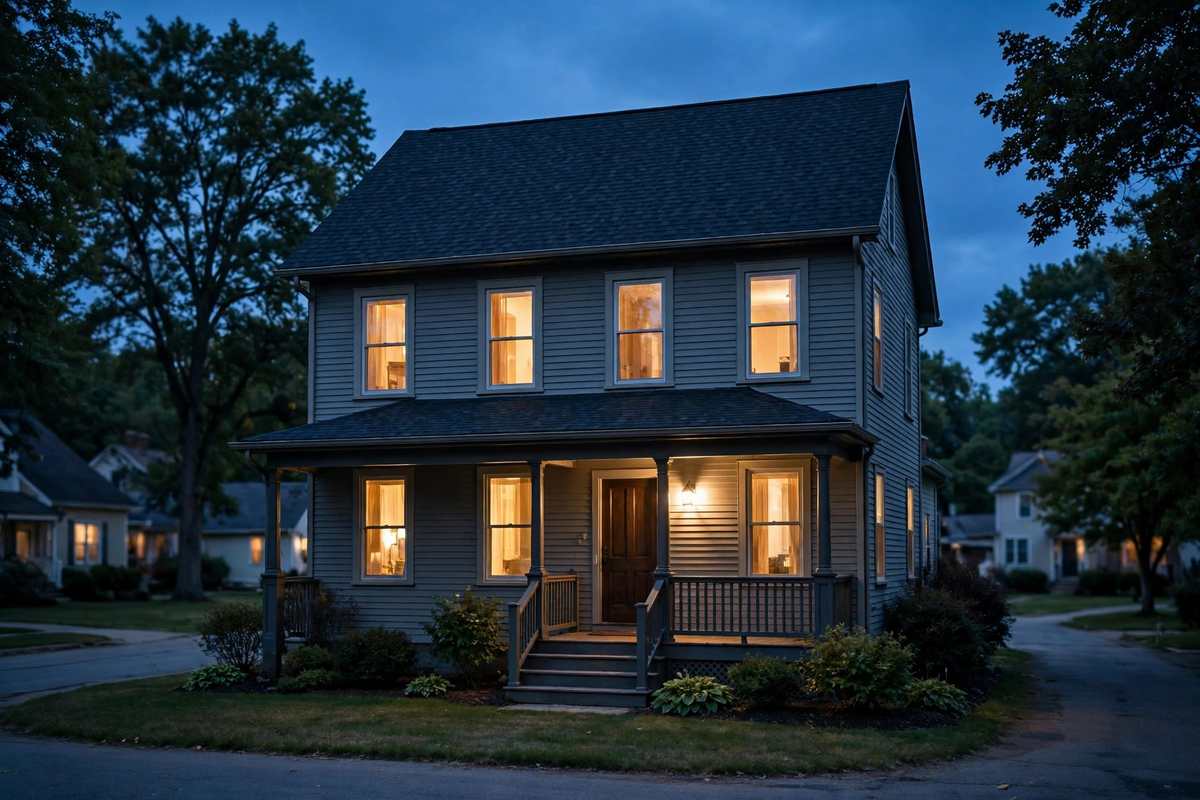
Replacement with architectural shingles, with the deck checked for water damage. New starter strip and ridge cap seal the edges where wind gets under first. Wind lifts shingle tabs, and once the seal breaks, the next storm tears them off.
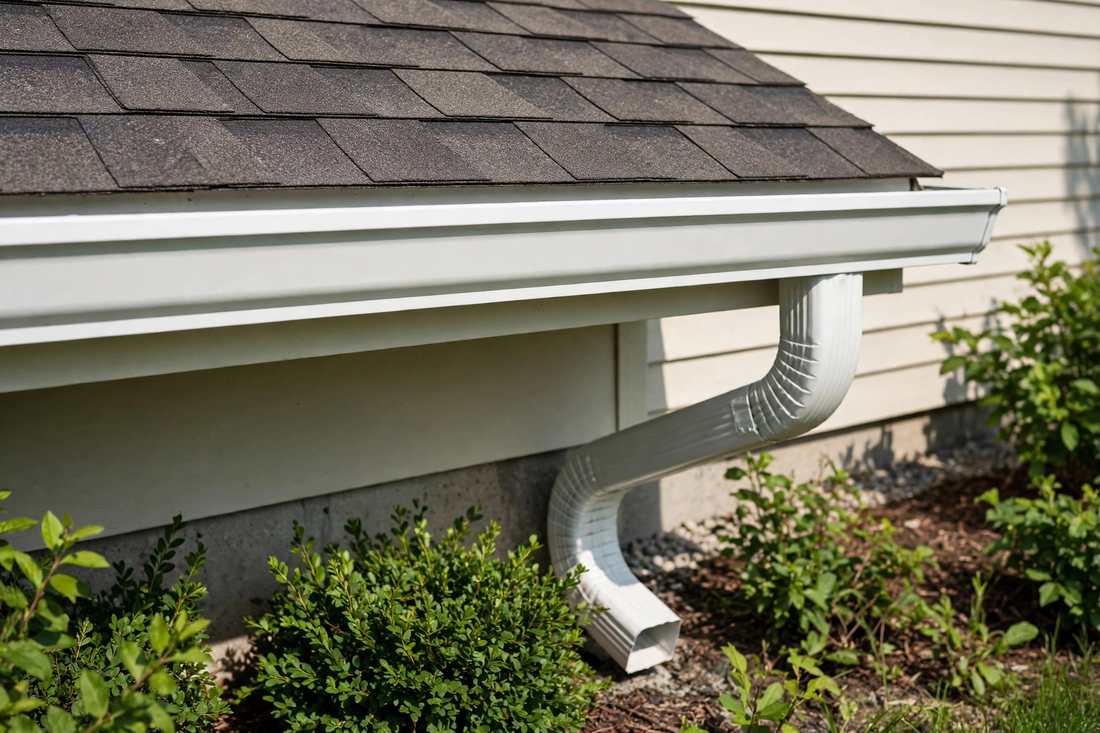
Ice and water shield at the eaves, corrected attic ventilation to keep the roof cold, and replacement of any rotted fascia. Ice dams force meltwater under the shingles and into the attic, staining ceilings and soaking insulation.
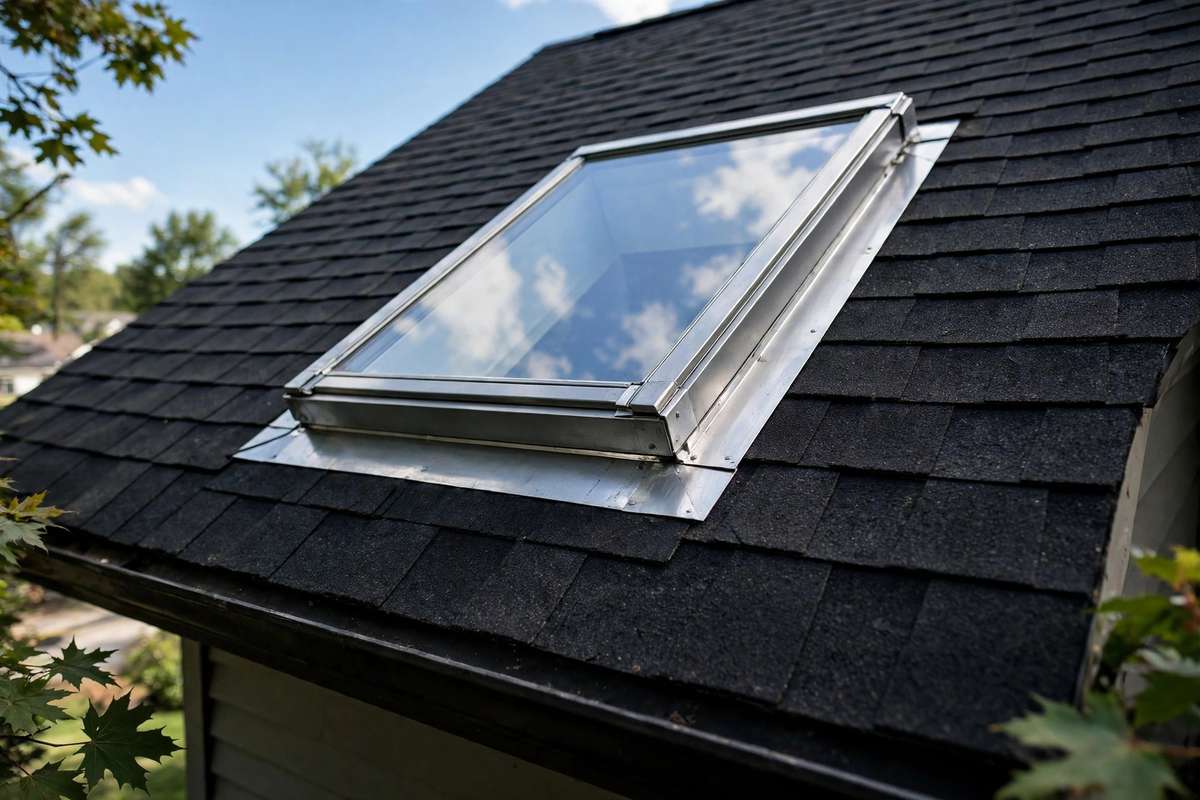
Step and counter flashing are rebuilt and worn skylight flashing is replaced. A moisture meter and infrared camera find the real entry point before the repair is scoped. Failed flashing lets water behind the brick and around the skylight frame.
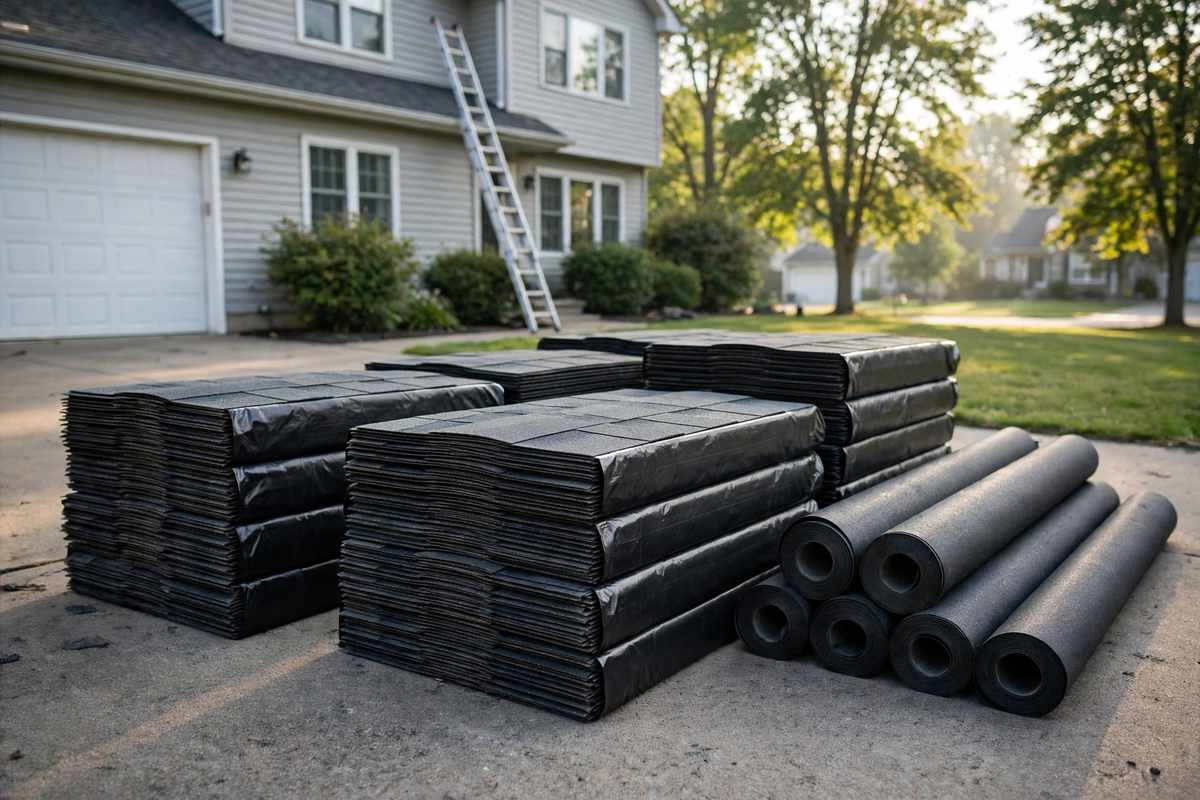
The roof is stripped to the deck, damaged sheathing is replaced, and loose boards are re-nailed before the new roof goes on. Ask for photos of what was found and what was replaced. Soft sheathing cannot hold nails, so new shingles will not stay put.
Most leaks trace back to failed flashing or ice dam backup, not the shingle field. A full replacement installs new ice and water shield and step flashing, so chimney leaks and skylight leaks stop instead of returning every spring.
A hot attic cooks shingles from underneath and drives cooling bills up. Pairing the new roof with intake and ridge ventilation takes load off the cooling system and extends shingle life.
Architectural shingles in a current color refresh a home's look. Buyers notice a new roof first, and a documented replacement is a real selling point at resale.
If you have paid for several repairs in a short period, the roof is telling you something. Missing shingles, granule loss, and curling edges mean the mat is failing. Replacing once beats repairing annually, and it allows the decking and flashing problems that repairs cannot reach to be corrected.
Records worth asking for, to keep and share.
Ask for the system, flashing, and ventilation listed before work
Ask for deck and flashing conditions documented
A roof is a system, and the shingles are only the top layer. The underlayment, flashing, and ventilation underneath determine how long the shingles last.
A layover hides the deck and traps heat. Tear-off lets the wood be inspected and rot fixed before it spreads. Heavier materials such as tile, slate, and wood shake weigh more than asphalt shingles, so switching to them means checking whether the framing can carry the load.
Most leaks start at chimneys, walls, and valleys, not the shingle field. New flashing is part of every full replacement scope.
A hot attic cooks shingles from below. Balanced intake and ridge vent keep the deck cooler and the shingles lasting longer.
Questions about an address in Des Moines? Call (515) 385-2566 and ask.
The price depends on the size of the roof, its pitch, the number of existing layers, the condition of the deck, and the materials chosen. Ask for an inspection and a written scope with the price before any work starts, so the number is agreed up front.
Yes. New flashing at chimneys, walls, and valleys is part of a full replacement scope. Old flashing is a leading cause of leaks, and reusing it on a new roof makes no sense. New ice and water shield at the eaves and valleys is part of the same scope.
Through December 31, 2026, the City handout rule is no permit for a straight reroof, with a permit required when sheathing or rafters are repaired or replaced. From January 1, 2027, a re-roofing permit is required under Council Communication 26-244. Ask us about the current requirements when you call.
Yes, you can stay home. Expect noise from tear-off and nail guns during work hours. Ask how the driveway is kept clear and attic items below the work area are covered. If you have pets or small children, plan to be out during the loudest hours of tear-off.
Call ZT Contracting LLC at (515) 385-2566 to arrange a visit, and ask for an inspection, photos of what is found, and a written scope with the price before any work starts.
Call (515) 385-2566, Monday through Saturday, 8 AM to 6 PM, to arrange a time to look at your roof. We are closed on Sundays.