Written scope
Ask for membrane, drainage, and flashing listed before work
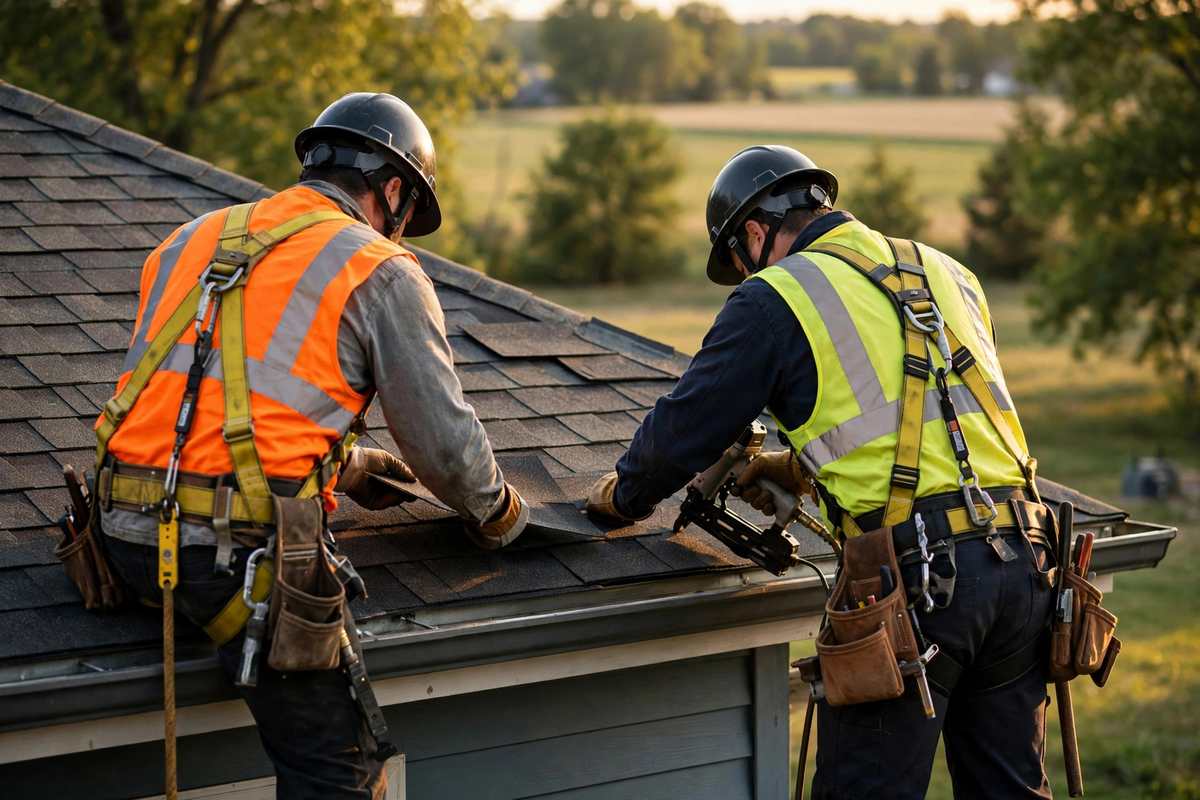
Flat roofing in Des Moines, IA covers the low-slope roofs shingles cannot: porches, additions, garages, and low-pitch sections of the main roof. We install EPDM, TPO, and PVC membrane systems with drainage and flashing designed for standing water, and we repair seams and flashing on existing membrane roofs.
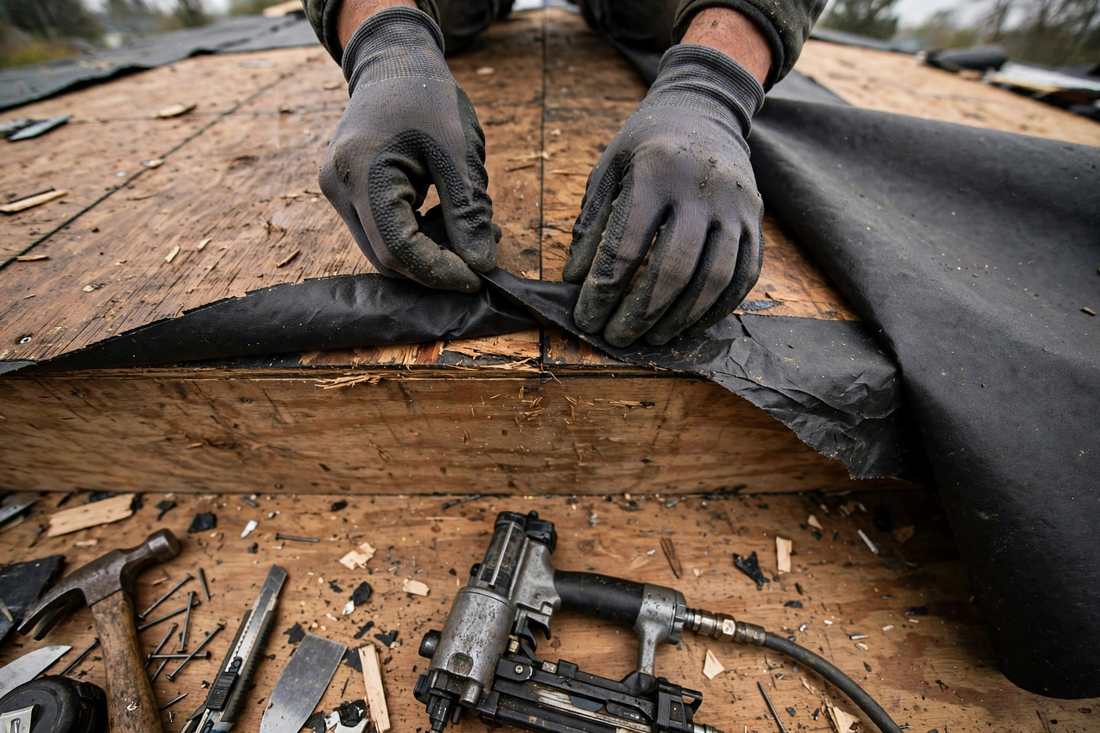
A low-slope roof is a drainage system first and a surface second. Here is what a flat roof project covers, from moisture survey to the finished membrane.
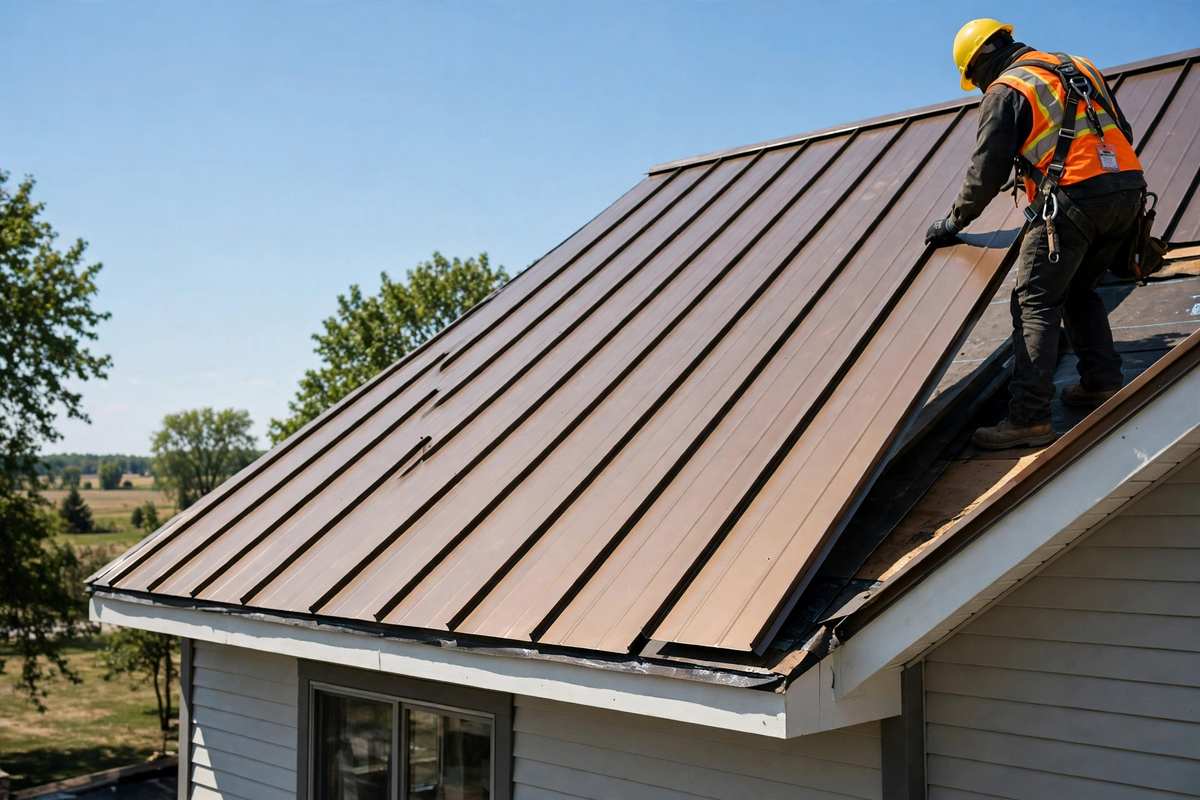
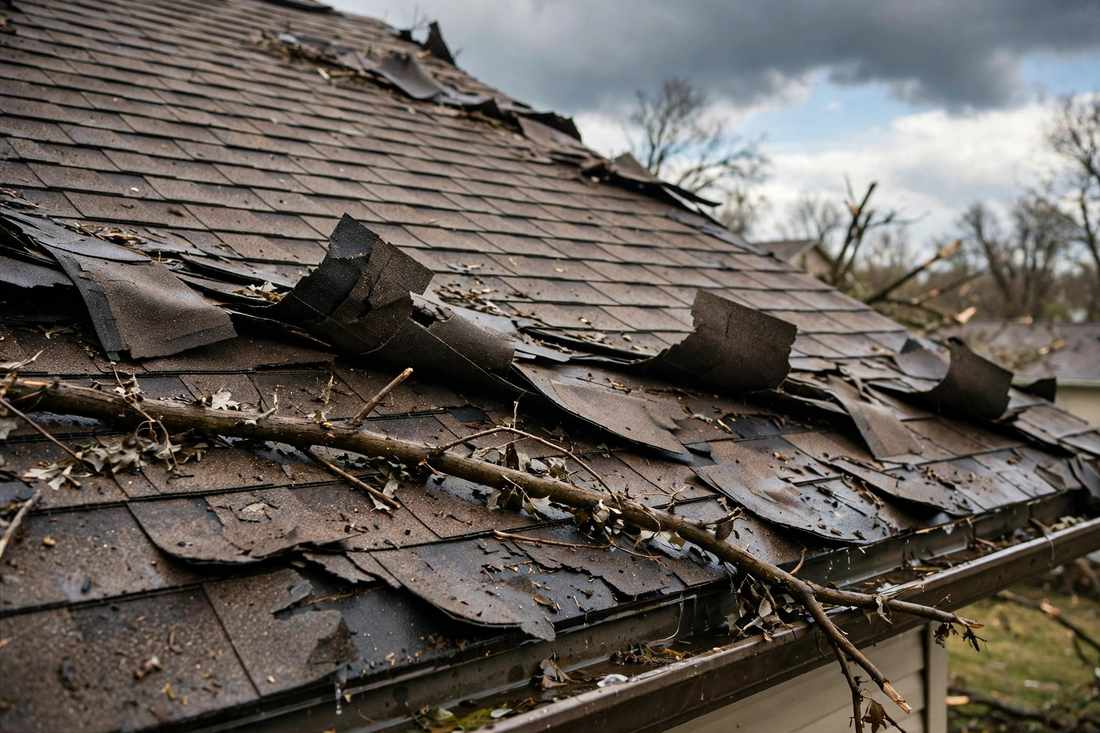
Low-slope roofs on Des Moines homes are covered: porches, additions, garages, and low-pitch main roof sections. The membrane and drainage follow the specific roof.
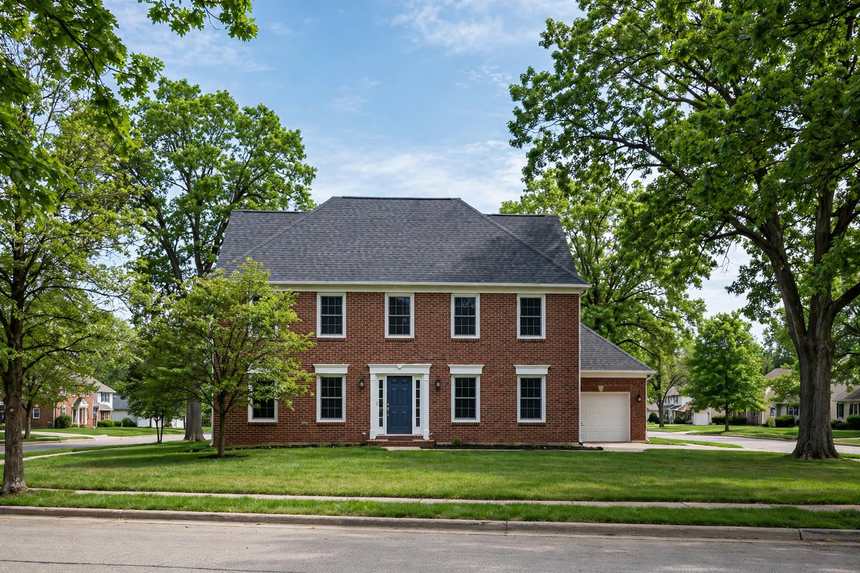
Bigger homes have more low-slope area, more penetrations, and longer drainage runs. Membrane, drainage, and flashing are scoped for the full low-slope layout.
Flat roofing in Des Moines is membrane work on low-slope roofs: the surfaces too shallow for shingles to shed water. EPDM is a rubber membrane, TPO and PVC are heat-welded single-ply membranes, and each suits different decks, drainage layouts, and penetration counts. The work starts with a moisture survey of the deck and insulation below, since trapped moisture decides between tear-off and recover. Then the membrane goes down with slope toward drains and scuppers, and every curb, wall, and edge gets flashed. A roof coating is sometimes discussed for aging membranes, but it is a maintenance topic for an existing roof rather than a new roof system.
Ponding is the enemy of every flat roof. Water that stands on a membrane stresses seams and finds every weak detail. Homes in Beaverdale and Sherman Hill often have low-slope porch roofs added to steep main roofs, and the tie-in flashing between the two is where leaks start. A roof inspection checks seams, drains, and ponding on low-slope sections, and gutter installation pairs with flat work where drainage leaves the roof.
On a flat roof, drainage is the roof. The membrane is only as good as the slope beneath it.
Here is the typical sequence for low-slope projects, from survey to the finished membrane.
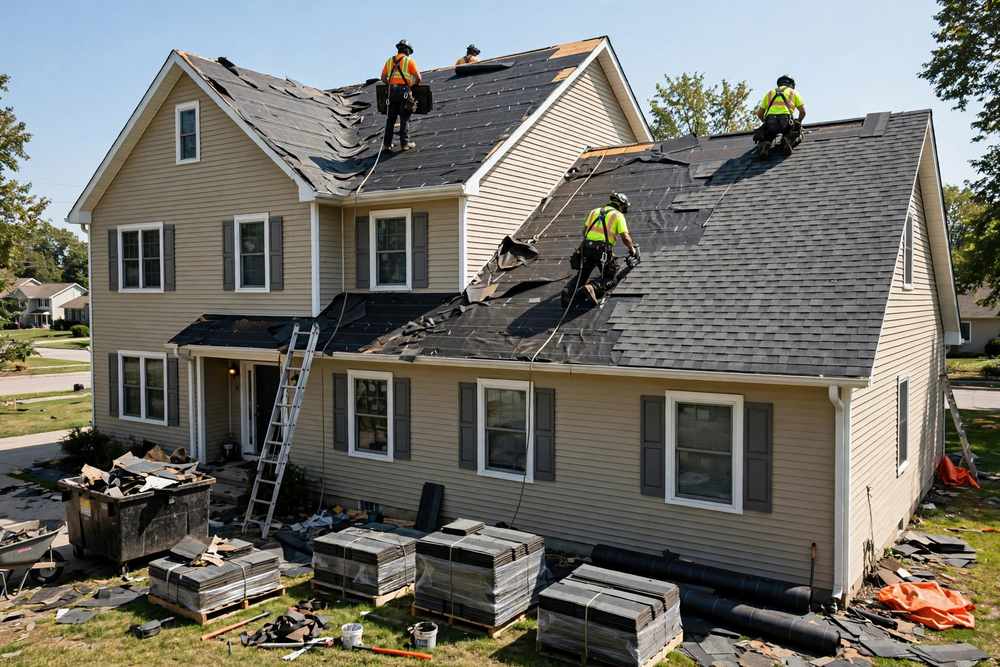
The membrane, seams, drains, and flashing are inspected, and the deck and insulation below are surveyed for trapped moisture. The survey decides the scope.
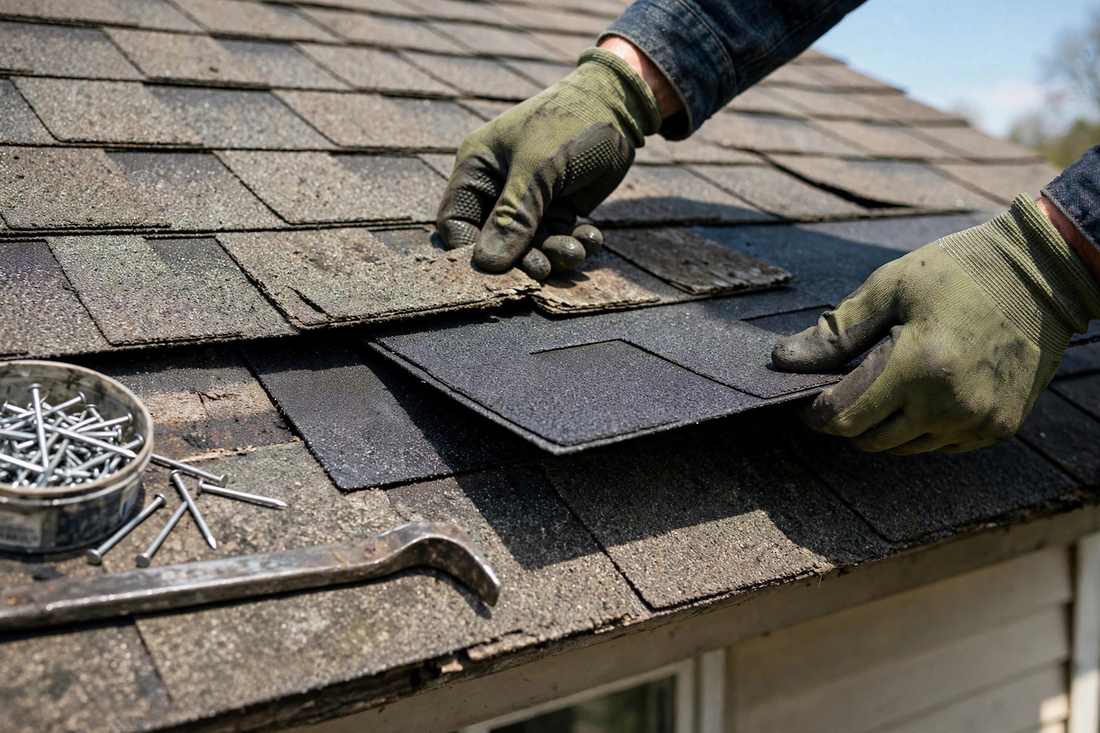
The membrane, EPDM, TPO, or PVC, is agreed based on the deck, drainage, penetrations, and existing roof. The scope names the membrane, drainage work, and flashing before work starts.
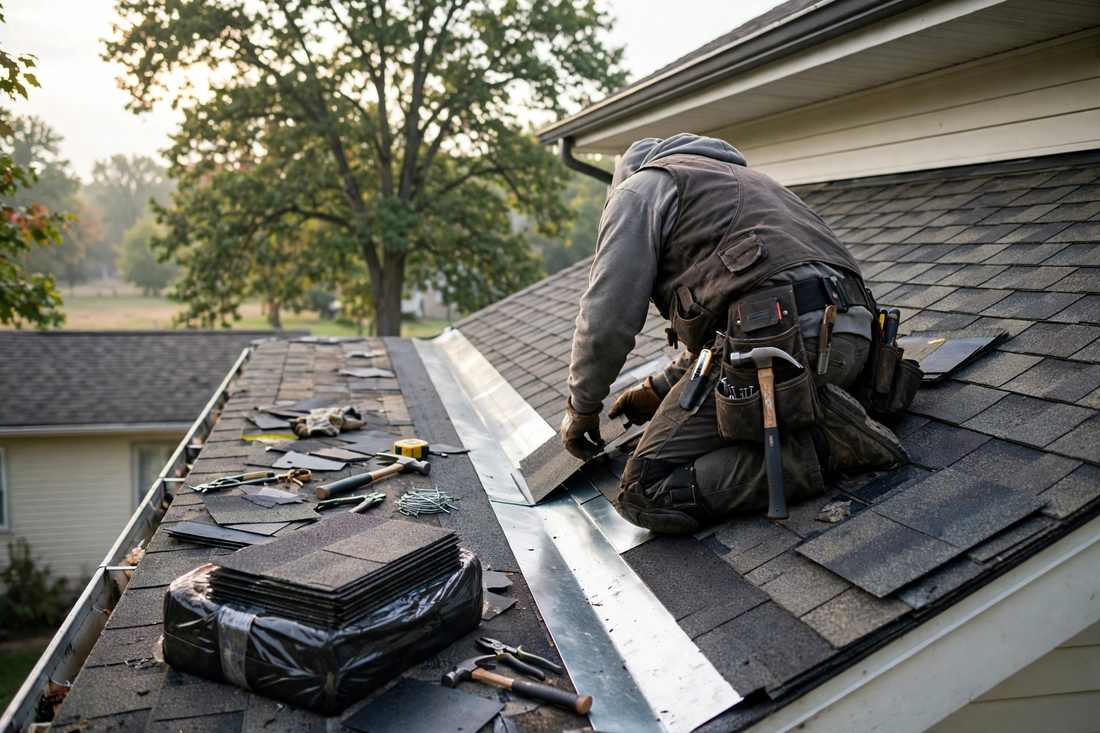
Where the deck is sound and dry, a recover over the existing roof may fit. Where moisture is trapped or the deck is damaged, tear-off to the deck is the scope. The survey evidence decides.
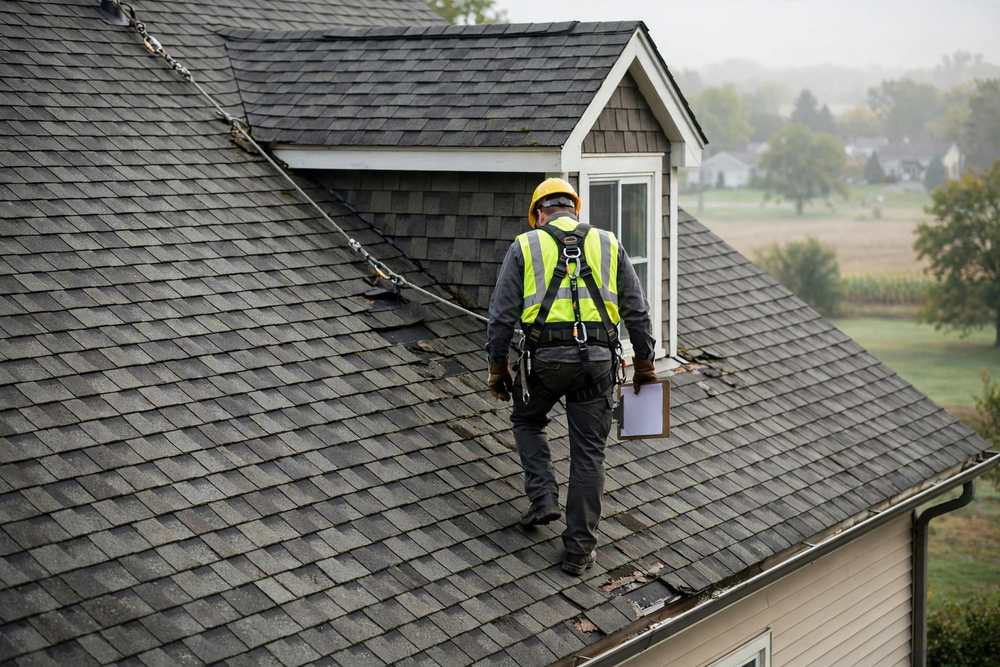
The membrane goes down with slope toward drains and scuppers. Seams are hot-air welded and probed, and curbs, walls, and edges get flashed and sealed.
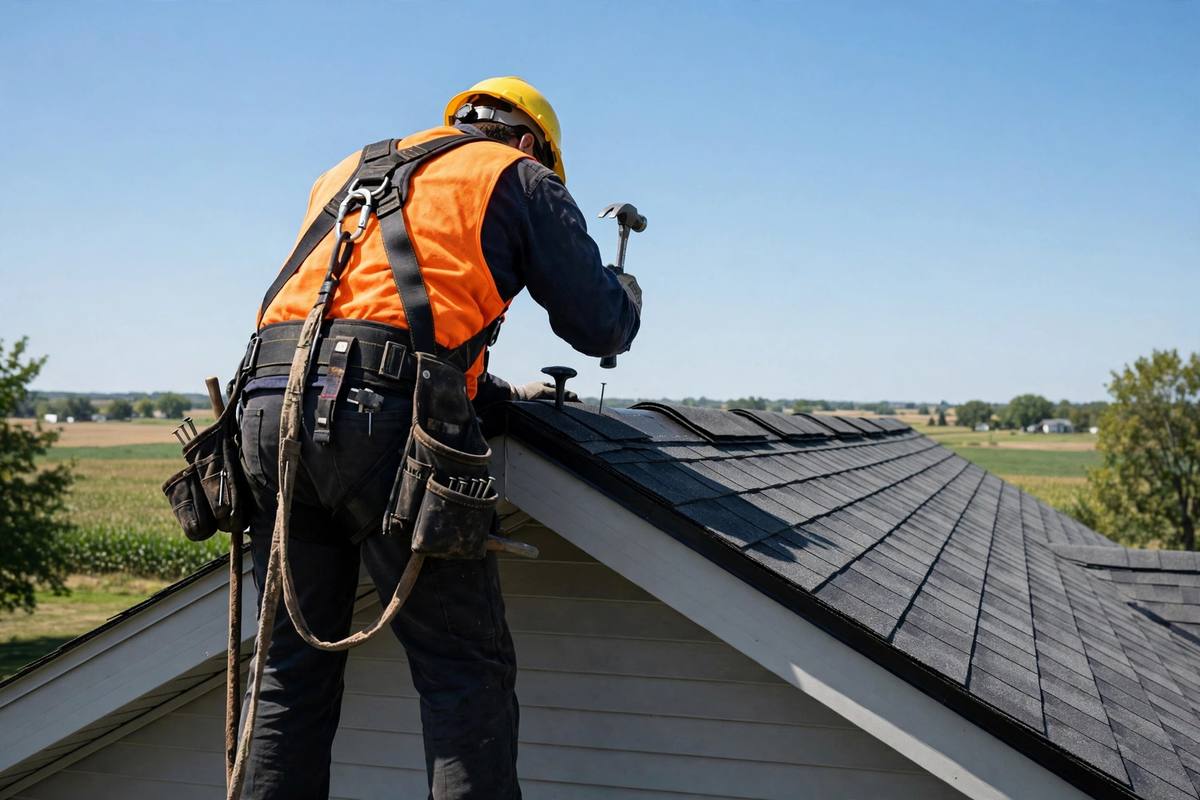
Ask for the finished roof walked through, seams and drains checked, and the photo file showing deck condition, drainage layout, and finished seams handed over.
Welds TPO and PVC seams with hot air, fusing the membrane into a continuous sheet.
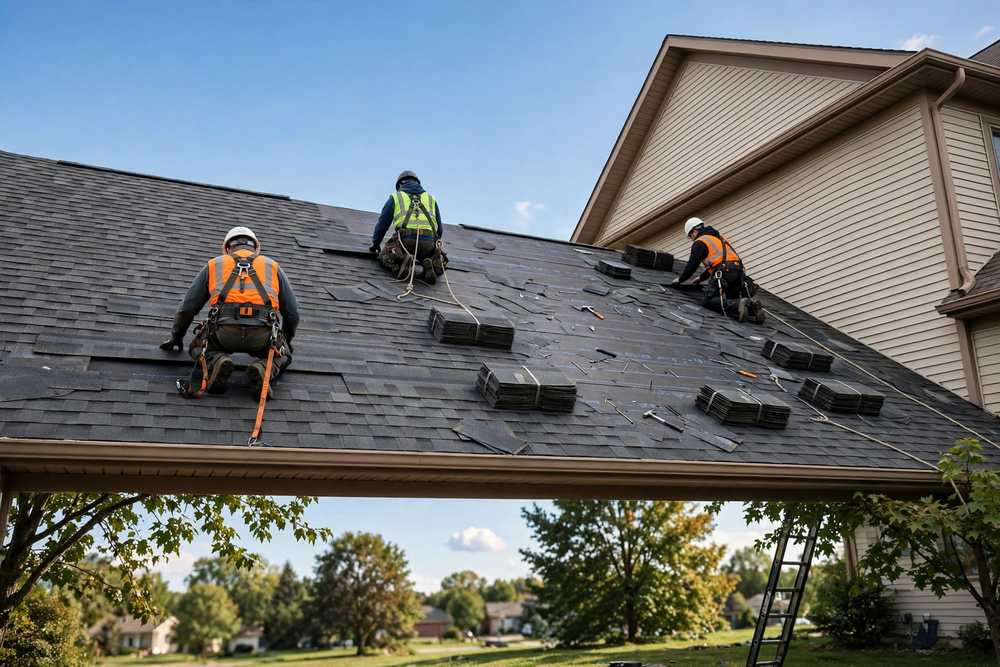
Finds trapped moisture in the deck and insulation below before the scope is decided.
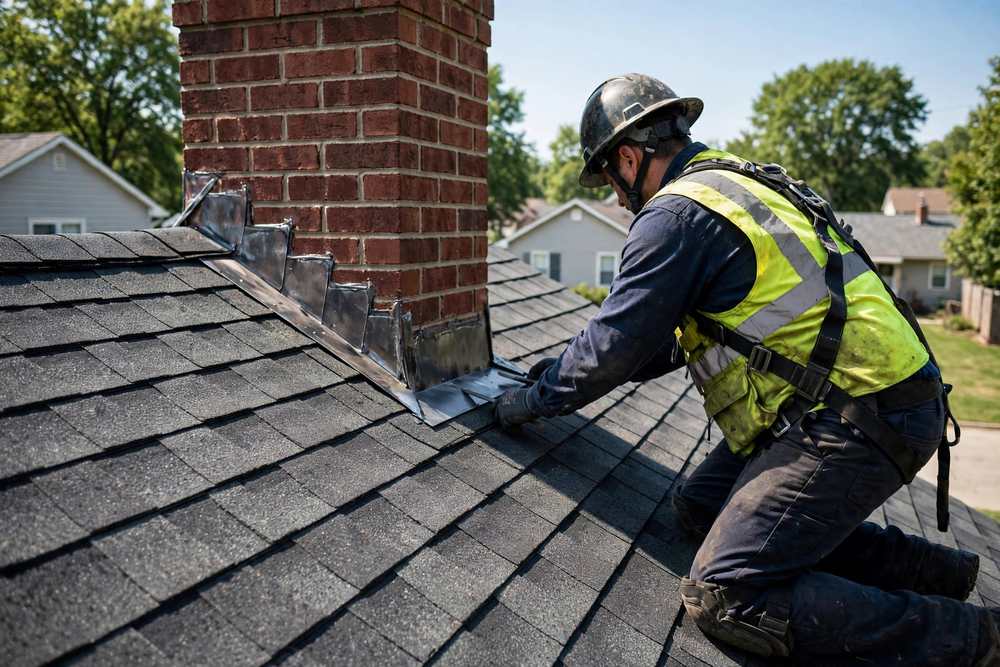
Safe access on low-slope roofs, where edge awareness matters as much as on steep ones.

Marks straight seam lines and cuts flashing and edge metal to fit curbs and walls.
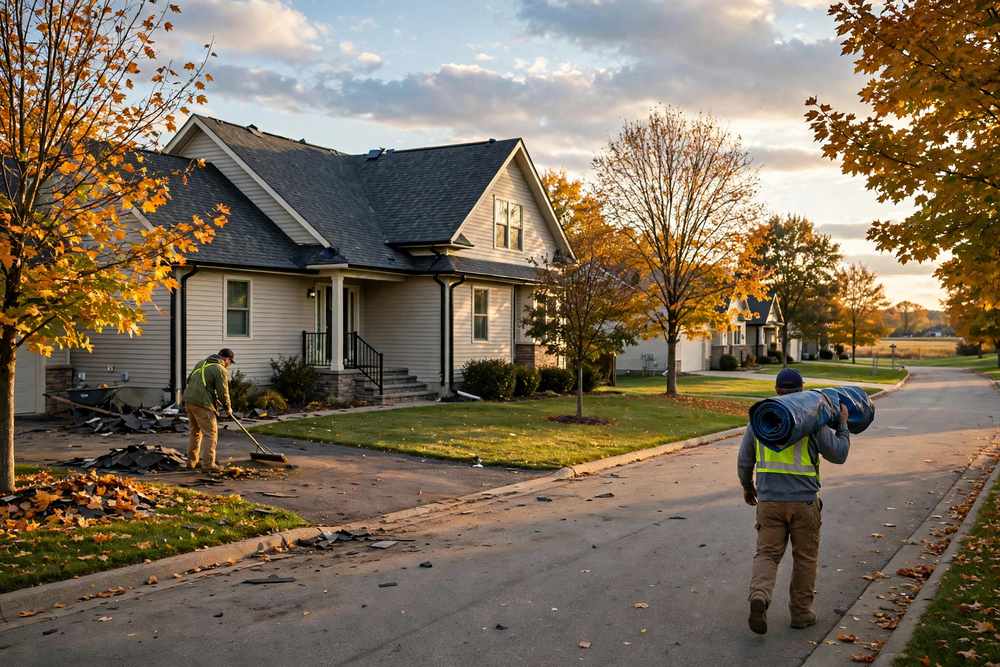
Access and clean removal of failed membrane and flashing without damaging sound sections.
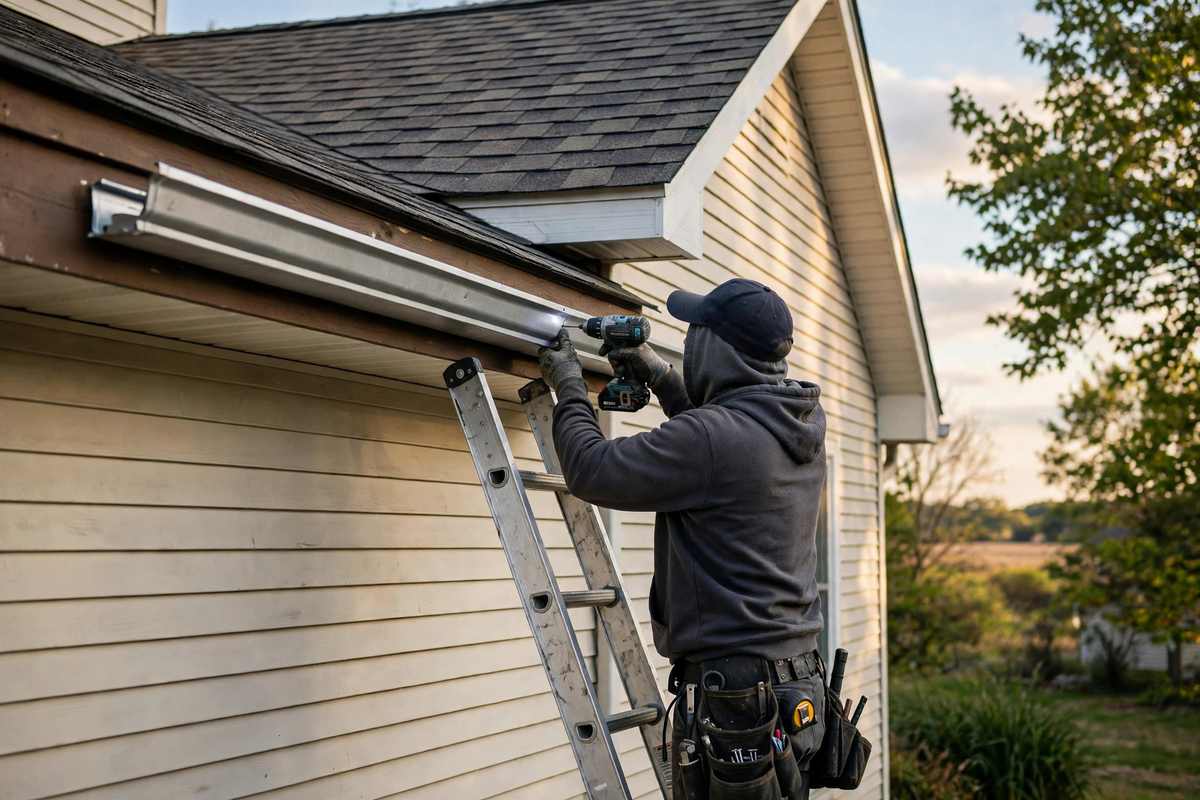
Rolls seams for full contact and probes every seam to confirm it is sealed.
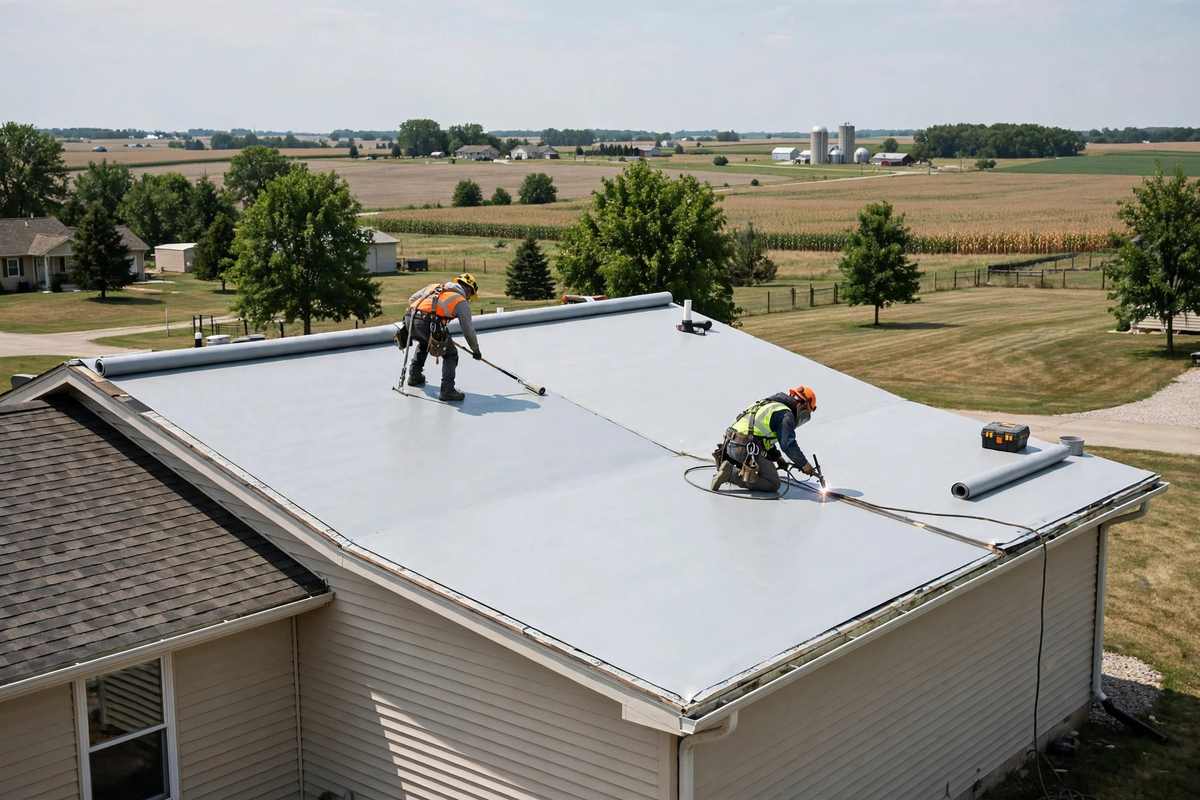
Where the survey shows a sound, dry deck, recovering over the existing roof avoids a full tear-off.
Insulation and crickets are laid out to slope water toward drains and scuppers instead of letting it pond.
A garage or porch roof with a shallow pitch cannot shed water with shingles. Membrane, with slope toward a drain or scupper, is the right system for the pitch.
A low-slope addition with vents and curbs needs membrane flashed at every penetration. The membrane, the curb flashing, and the drainage are scoped as one system.
An aging EPDM roof that is sound but chalky and heat-worn may suit a recover rather than a tear-off. The moisture survey decides, and the scope follows the evidence.
A storm-split seam leaks into the room below. The seam and surrounding membrane are inspected, the split is repaired with matching membrane, and the rest of the seams are checked at the same time.
Low-slope roofs in Des Moines are mostly porches, additions, and garages attached to steep main roofs. The tie-in between the two is where the work concentrates.
A garage roof ponds water after every rain. The drain is undersized for the roof area, and the membrane is blistered near the ponding zone.
A typical scope addresses drainage first: slope toward the drain, a resized outlet, and membrane repair at the blistered section. The ponding zone is eliminated rather than patched.
Keeping drains and scuppers clear helps membrane roofs drain as designed after every rain.
A low-slope addition leaks at a seam into the room below. The seam split under storm stress, and the wall tie-in flashing is lifting.
A typical scope repairs the split seam with matching membrane, rebuilds the wall flashing, and probes the remaining seams. Drainage is checked so water leaves the low slope.
Seams deserve a yearly look, since storm stress shows at seams first and small splits grow with every rain.
An EPDM roof is chalky and heat-worn but the survey shows a sound, dry deck. The homeowner is unsure whether tear-off is needed.
A typical scope recovers over the existing roof where the survey supports it, with new membrane, drainage layout, and flashing. The survey evidence, not the surface appearance, decides the scope.
A moisture survey before scoping avoids both unnecessary tear-off and recovering over trapped moisture.
Flat roofs fail at drainage, seams, and details. Here is what each problem looks like.
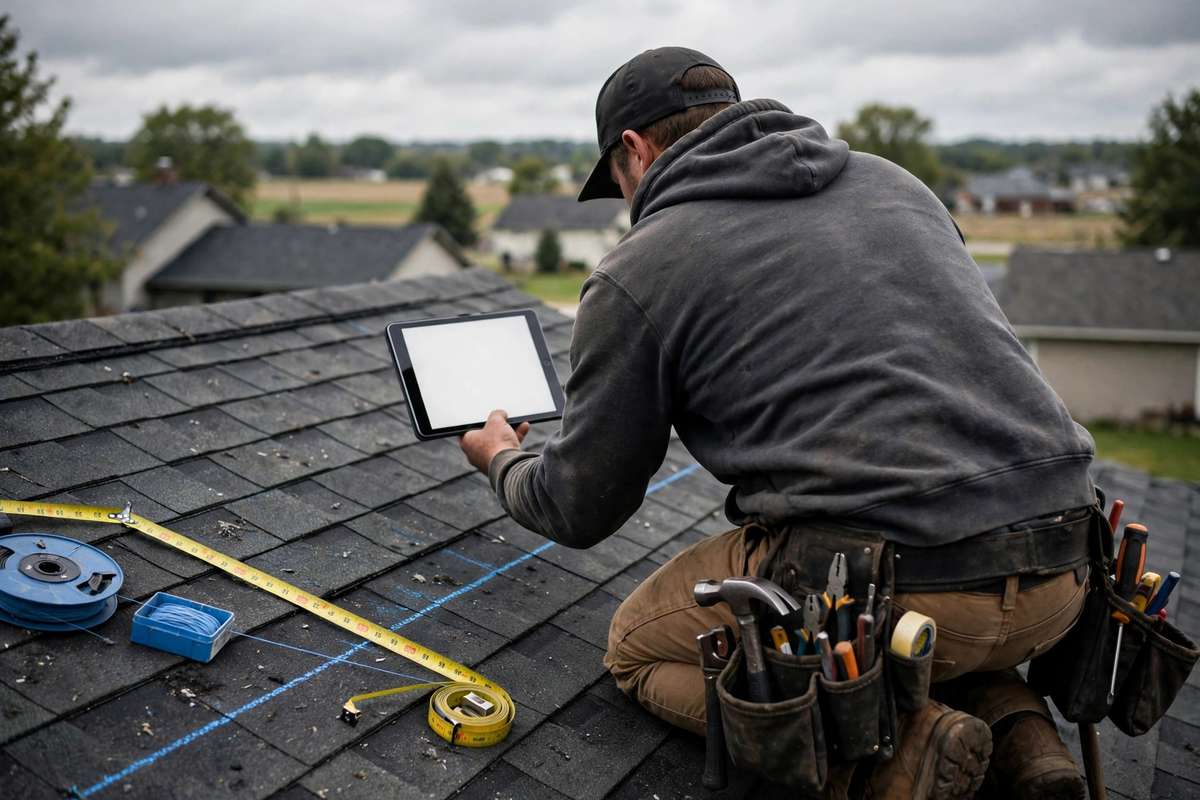
Slope and outlet size are addressed so water leaves the roof. Ponding stresses seams and finds weak details, and surface patches do not fix the slope.
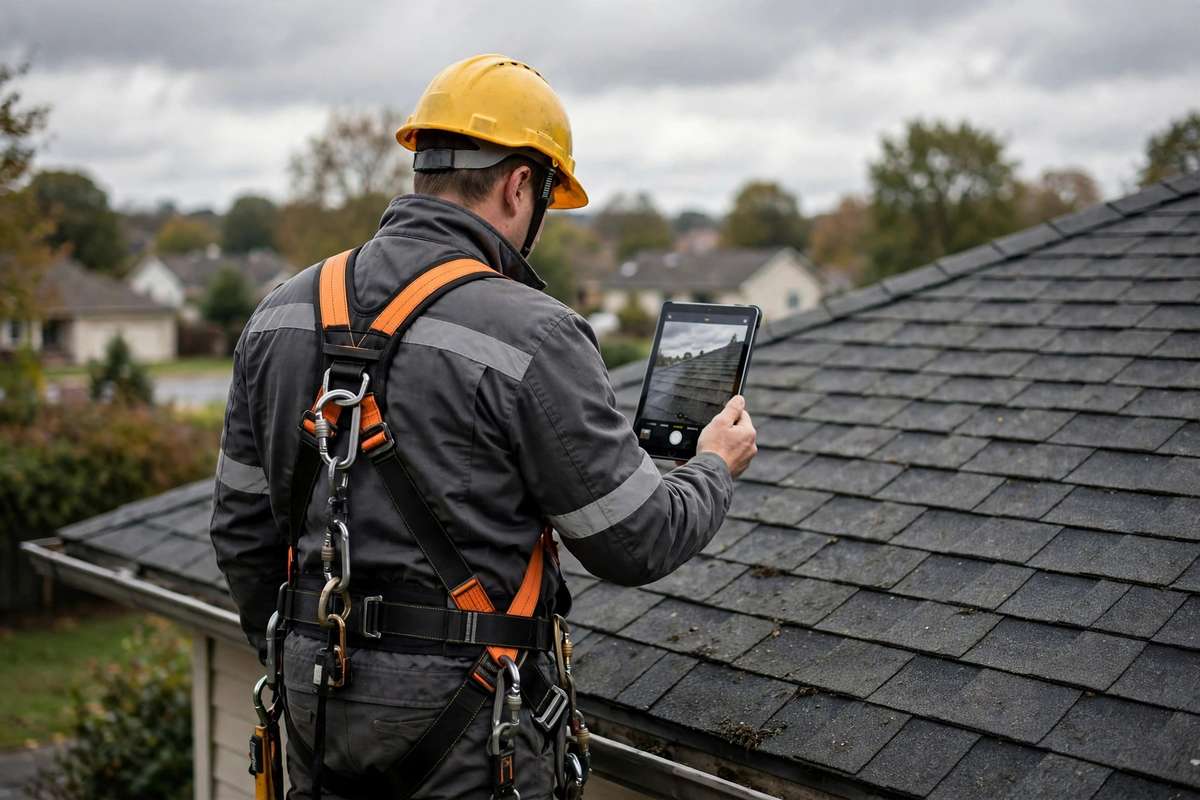
Split seams are repaired with matching membrane and edge metal is re-secured. Every seam gets probed to confirm it is sealed.
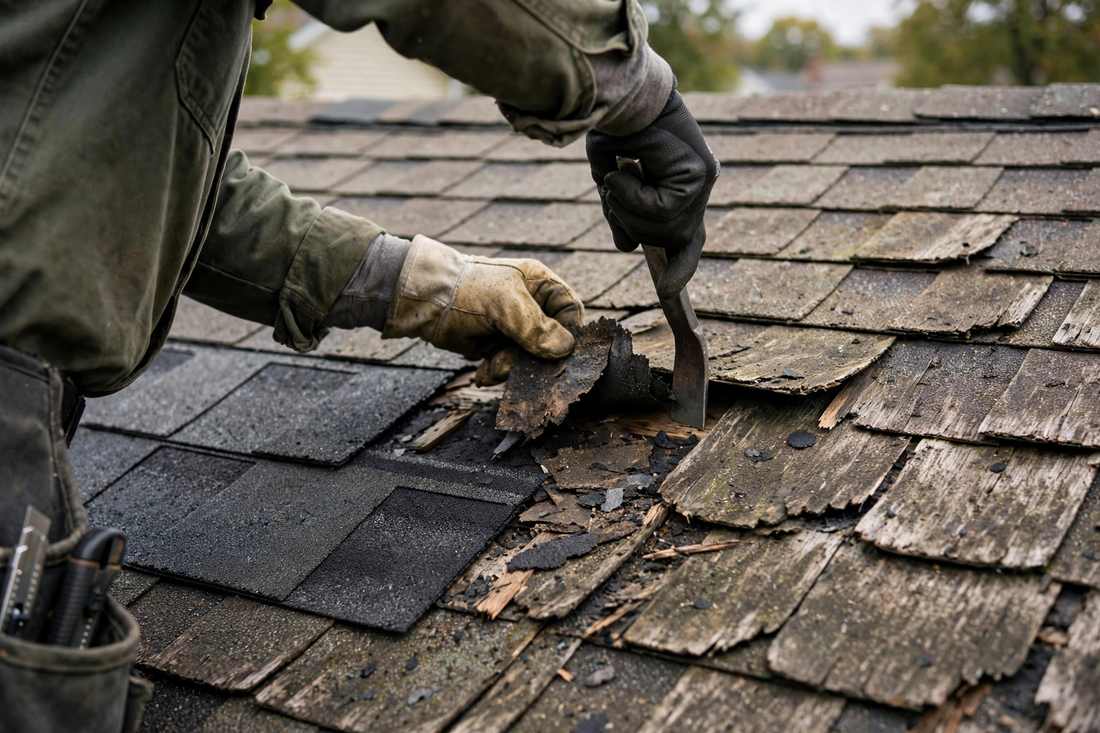
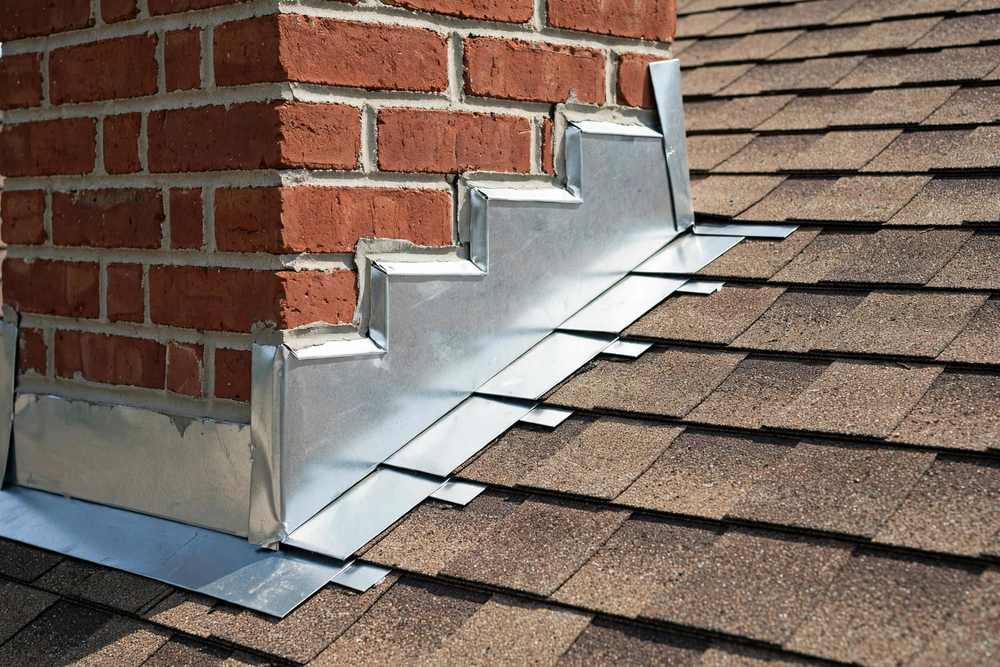
Flashing at chimneys, walls, and skylight curbs is rebuilt with membrane-compatible details. Most flat-roof leaks start at these details, not the field.
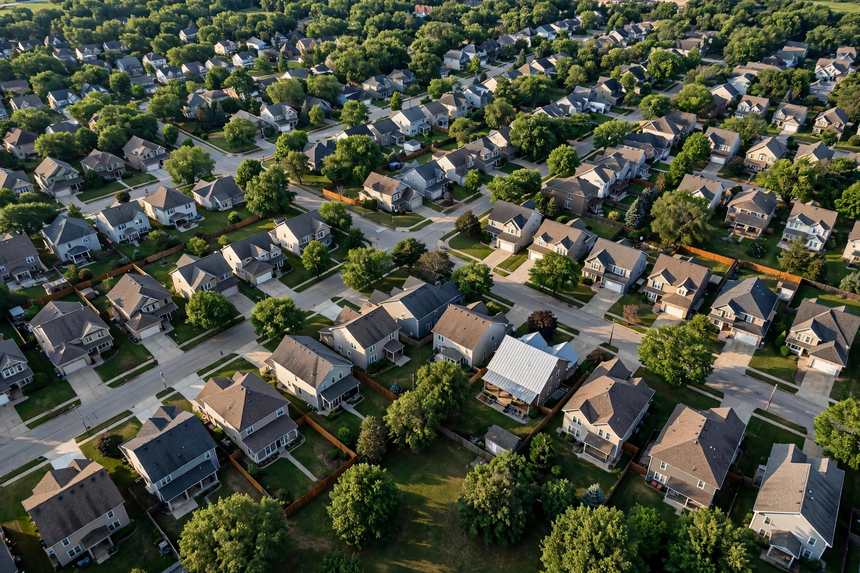
Drains and scuppers are cleared and resized where needed, and the slope is confirmed to carry water to them. Blocked drainage backs water onto the membrane.
Where the survey shows a sound, dry deck, a recover avoids a full tear-off. The moisture survey decides, and the scope follows the evidence.
Membrane damage is usually local: a seam, a flashing detail, a drain. Repairs address the failed detail without disturbing the sound field.
Low-slope membrane roofs can be walked on with care for service and inspection. That makes seam checks and drain checks straightforward.
Welded seams can be probed and checked, so seam condition is verifiable rather than guessed. A yearly seam check catches splits early.
Records worth asking for, to keep and share.
Ask for membrane, drainage, and flashing listed before work
Ask for deck, drainage, and seams photographed
Ask which seam and drain checks to schedule
Three facts explain most flat-roof problems. Knowing them helps you read a scope and judge whether it addresses the real issue.
Standing water stresses seams and finds weak details. Slope toward drains is the fix, and it has to be part of the scope, not an afterthought.
Seams and flashing details fail before the membrane field. A scope that addresses seams, curbs, and edges addresses where leaks actually start.
As planning ranges, TPO lasts 20 to 30 years, EPDM 20 to 35, and PVC 20 to 30. These are planning ranges, not guarantees, and drainage condition moves the real number.
Questions about an address in Des Moines? Call (515) 385-2566 and ask.
The price depends on the size of the low-slope area, the membrane chosen, the condition of the deck and insulation below, the drainage layout, and the flashing details. Ask for an inspection and a written scope with the price before work starts.
No one material suits every low-slope roof. EPDM, TPO, and PVC membranes each suit different low-slope situations, and the choice depends on the deck, the drainage, the penetrations, and the existing roof. Ask for the options explained for the specific roof, with the one that fits scoped.
As planning ranges, TPO lasts 20 to 30 years, EPDM 20 to 35 years, and PVC 20 to 30 years. These are planning ranges, not guarantees. Hail, freeze-thaw cycles, ponding water, and seam condition shorten or extend the actual service life.
Low-slope membrane roofs can be walked on with care for service and inspection, using soft-soled shoes and staying off seams where possible. Heavy traffic, dragging equipment, and sharp objects damage membranes. Ask us about walkway protection if the roof sees regular foot traffic.
Call ZT Contracting LLC at (515) 385-2566 to arrange a low-slope inspection, and ask for the deck and drainage surveyed and the membrane system scoped in writing.
Call (515) 385-2566, Monday through Saturday, 8 AM to 6 PM, to arrange a time to look at your roof. We are closed on Sundays.