Written scope
Ask for runs, outlets, and downspouts listed before work
Gutter installation in Des Moines, IA is about moving roof water away from the walls and foundation. Runs are measured on site, formed seamless to length, and pitched toward the downspouts. Ask for flow confirmed before the job is done. Repair, guards, and downspouts are part of the same service.

A gutter job is more than hanging runs. Here is what the installation covers, from measurement to the flow check.
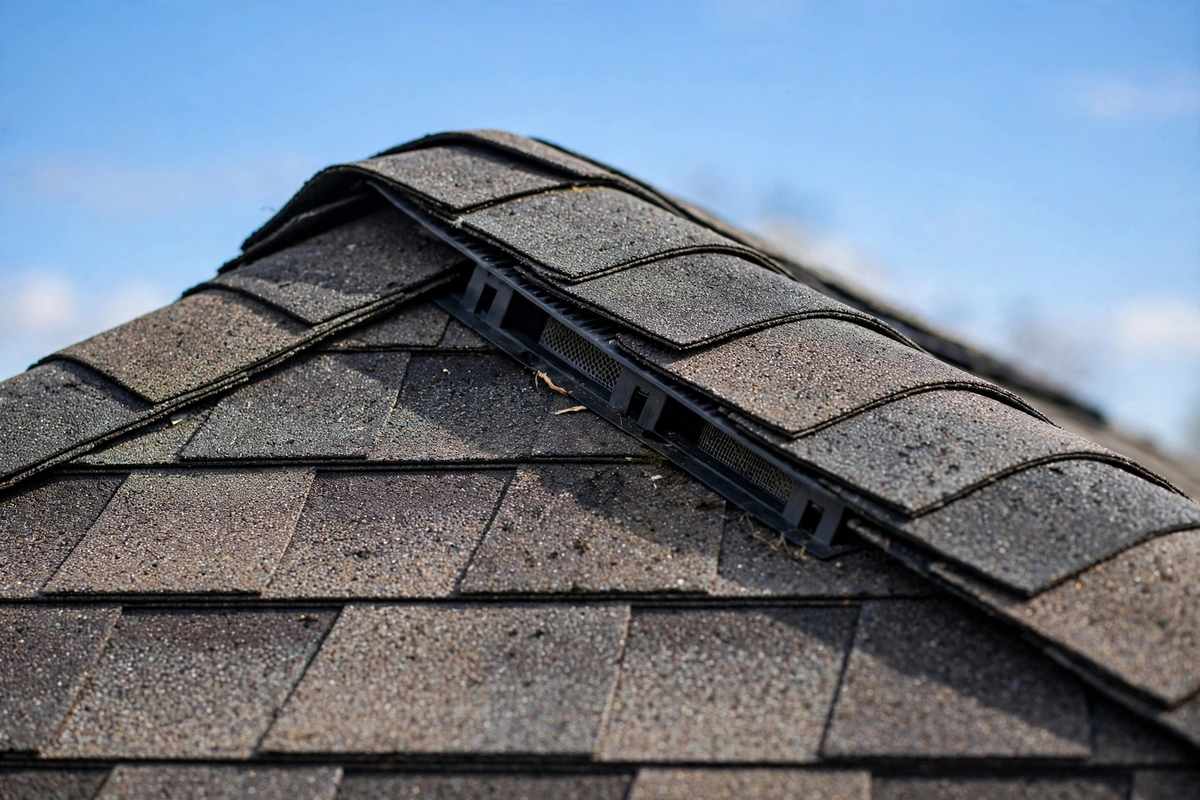

Gutter installation covers Des Moines homes of every age, from steep Victorians to low-slope ranches. The scope follows the roof planes, not a standard package.
Two-story homes and multi-unit houses need more capacity and more downspouts, with runs planned around the full roof layout. Each elevation is scoped on its own.
Gutter installation in Des Moines, IA is the work of sizing, forming, hanging, and pitching a drainage system for a specific roof. Roof area and pitch drive the size: larger planes and steeper pitches shed more water, and valleys and inside corners concentrate it. Seamless runs are formed on site to length, hangers secure them to the fascia, and pitch carries water to downspouts placed to move it away from the foundation. Guards, repair, and downspout work are sections of the same service.
Des Moines weather tests gutters hard: spring rain, summer storms, and freeze-thaw cycles that work hangers loose. Homes under the mature oak and elm canopy in Beaverdale and Waveland Park collect debris at a higher rate, and older homes in Sherman Hill often have fascia that needs attention before new runs go up. A roof inspection checks gutters as part of the roof system, and gutter work pairs naturally with a roof replacement when fascia is exposed. Gutter cleaning is not offered; this service covers installation, repair, guards, and downspouts.
Gutters fail at capacity, pitch, and outlets. The scope has to address all three.
Here is the typical sequence for a gutter job, from measurement to the flow check.
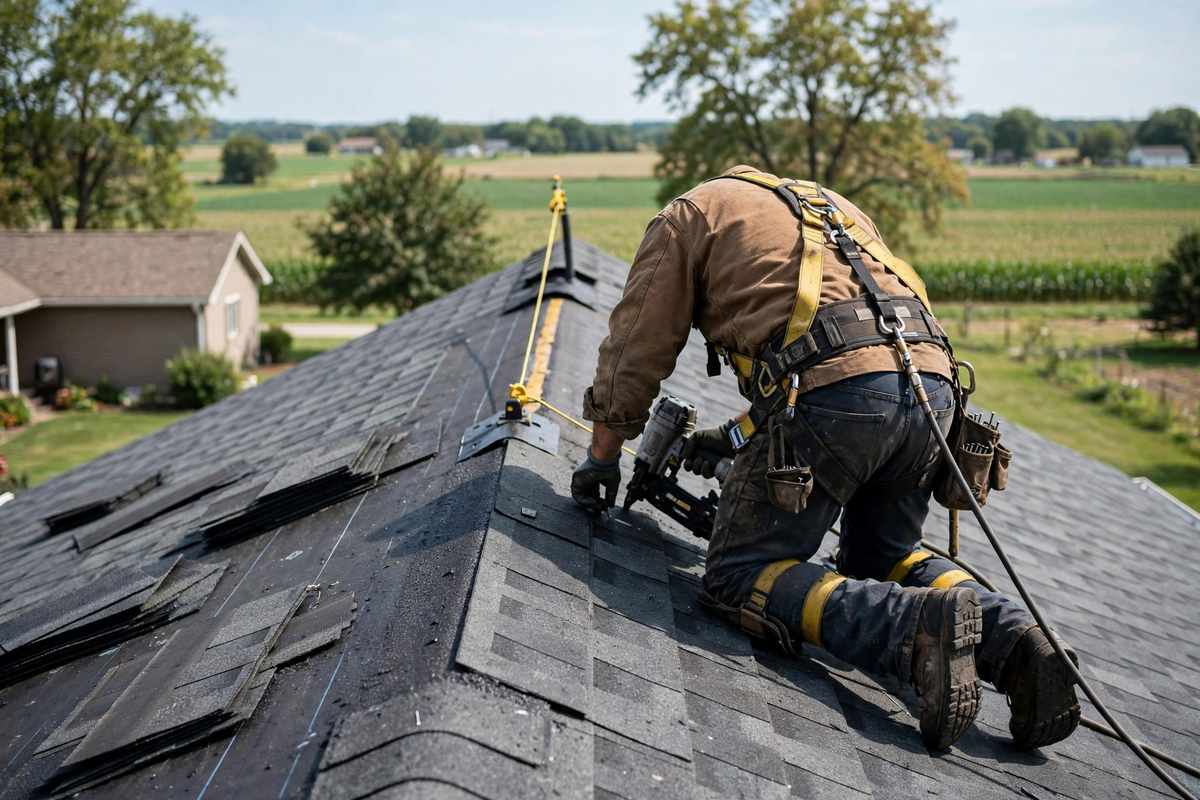
Every run is measured, the roof planes, valleys, and inside corners are noted, and the fascia is checked. Downspout locations get planned around walkways and the foundation.
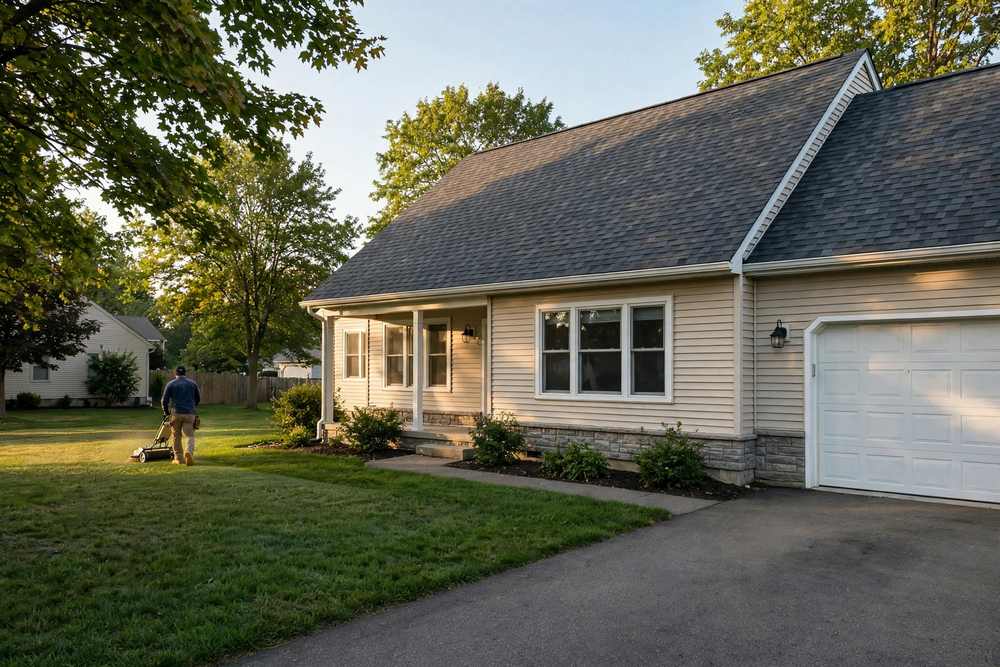
The size, profile, and color are agreed, and guards and downspout count are confirmed. The scope names the runs, outlets, and downspouts before work starts.
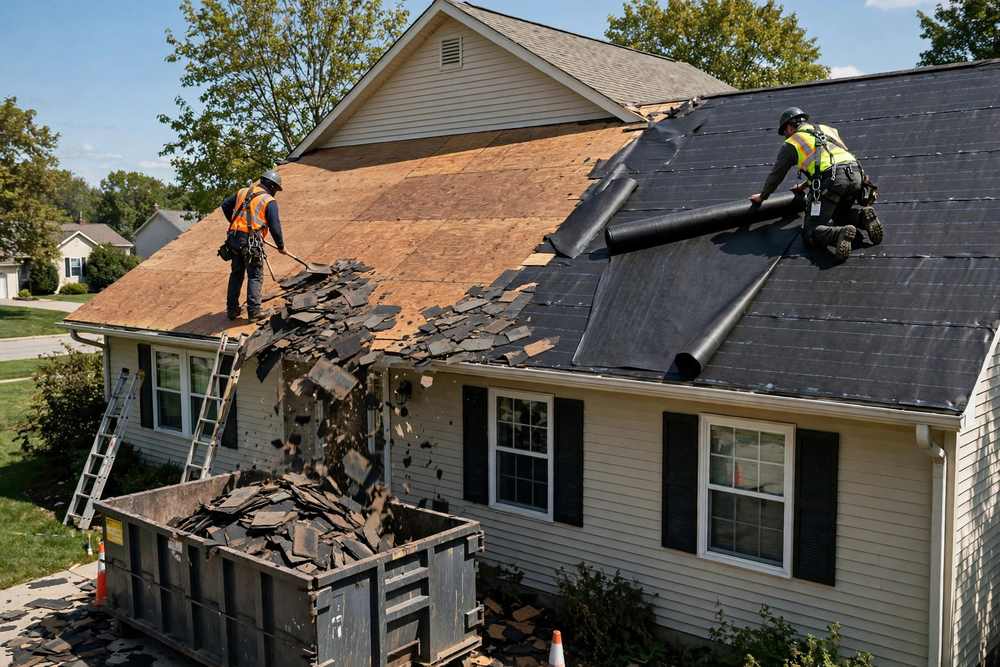
Seamless runs are formed to length on site. Joints appear only at corners and outlets, which is where a gutter system should have them.
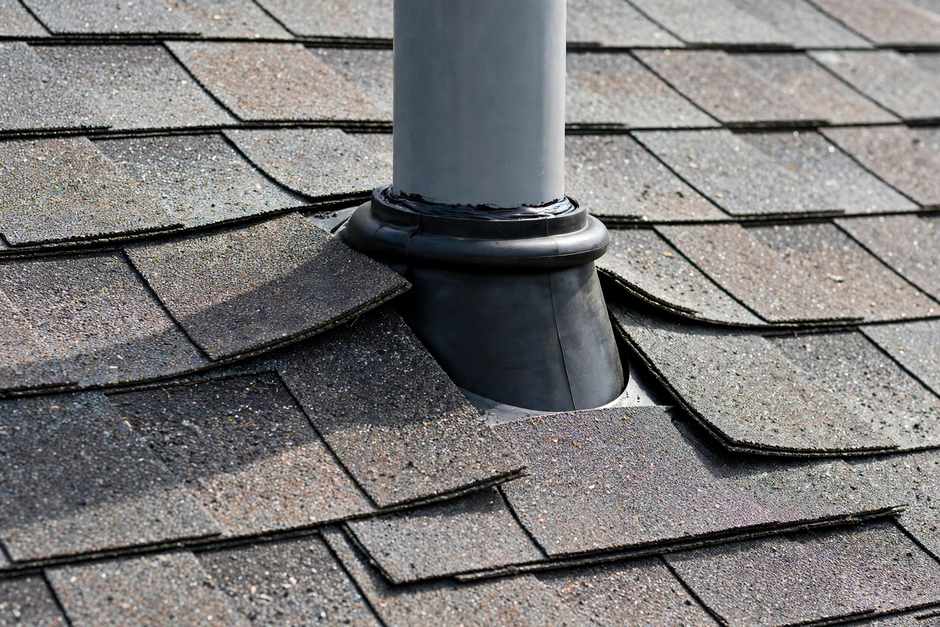
Runs go up on hangers secured to the fascia, pitched toward the downspouts. Outlets and downspouts are fitted to carry water away from the foundation.
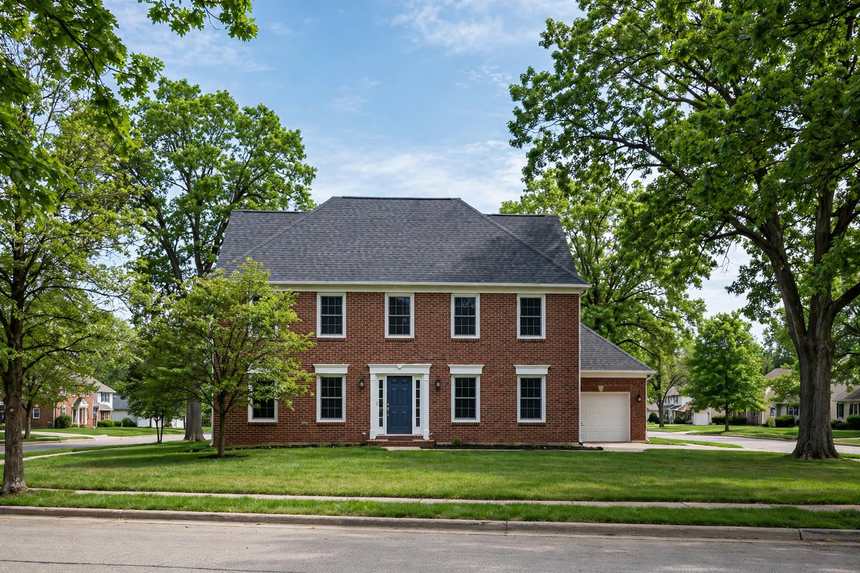
Ask for water run through the system to confirm flow, the yard magnet-swept, and offcuts and old gutter hauled away, and the runs walked through.

Forms seamless runs to length on site, so joints appear only at corners and outlets.
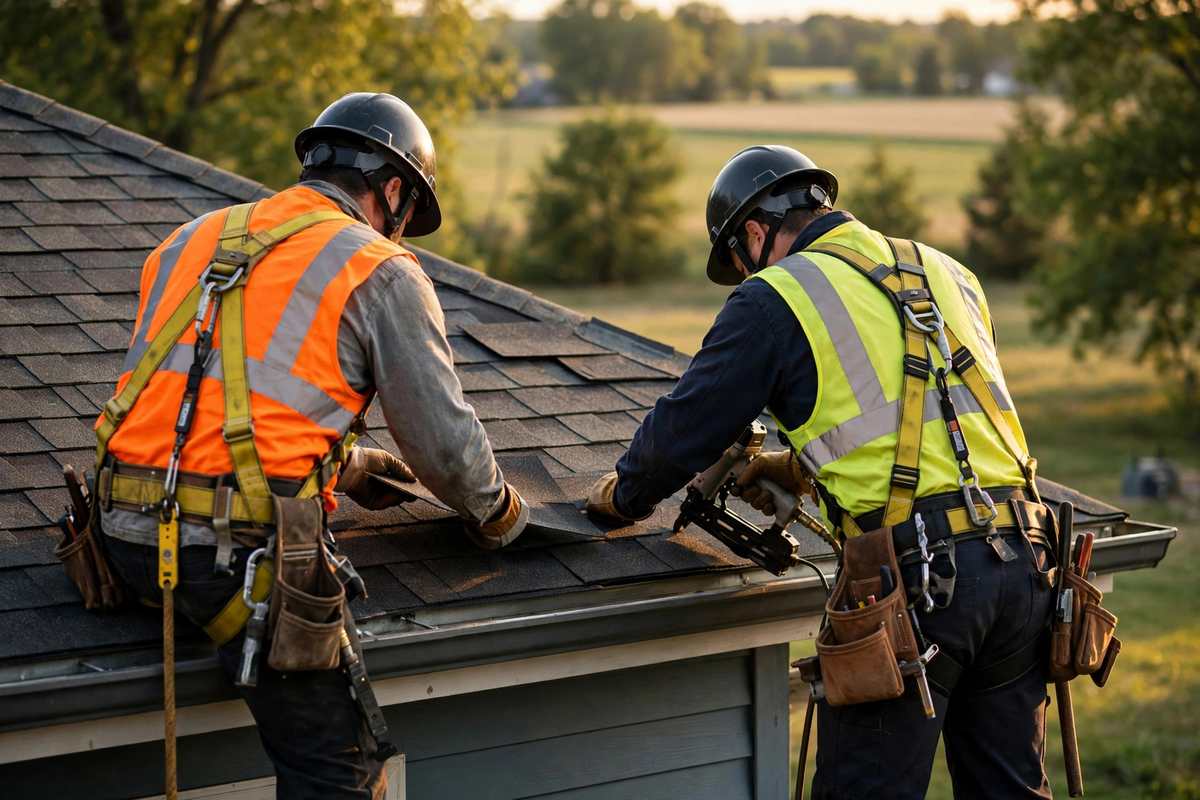
Sets the fall of each run so water flows toward the downspouts instead of pooling mid-run.

Cuts and seams corners, outlets, and end caps cleanly, so joints seal and hold.
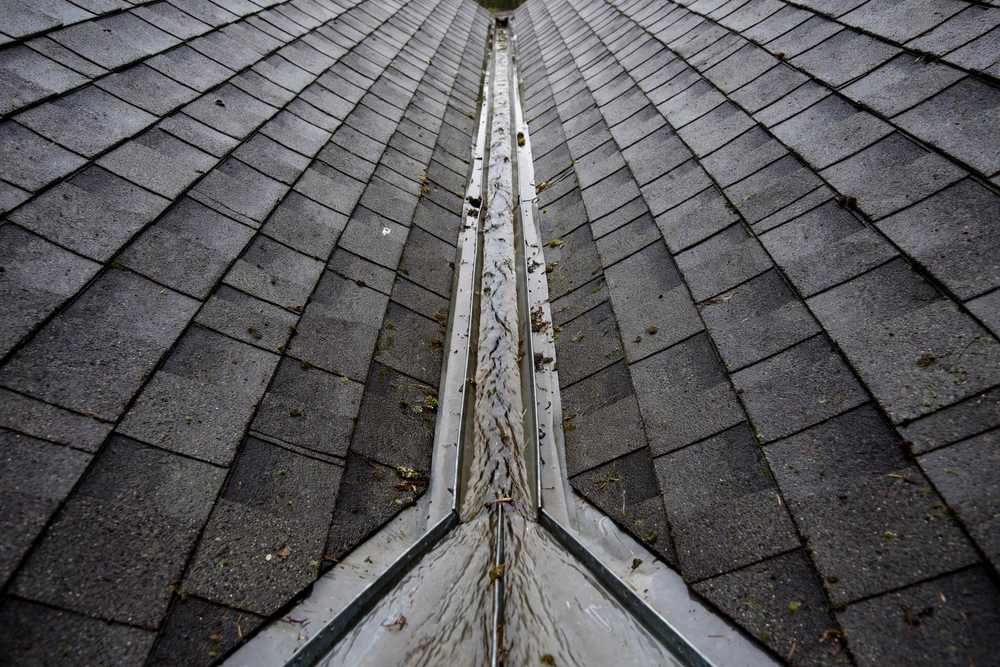
Safe access to high runs and two-story elevations without damaging landscaping.

Checks fascia condition behind old runs, so damaged wood is found before new gutter covers it.
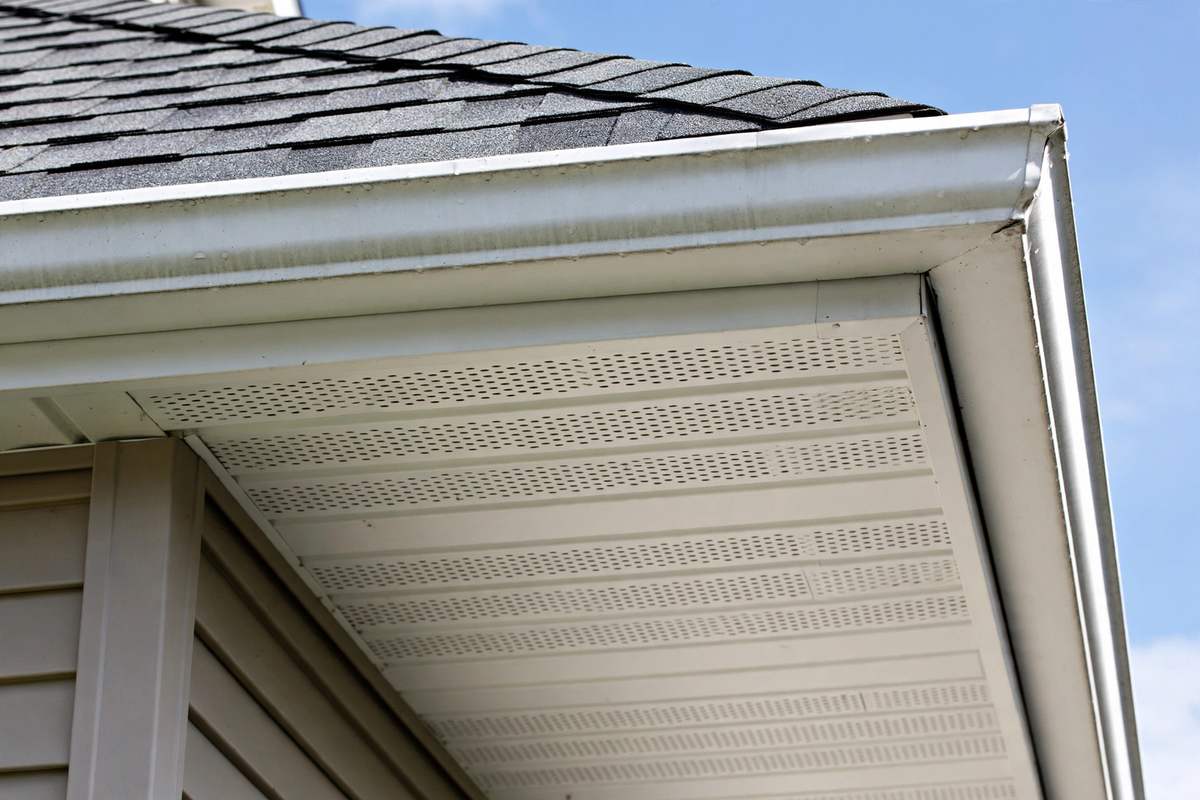
Picks up screws, offcuts, and metal shards from the yard and driveway.
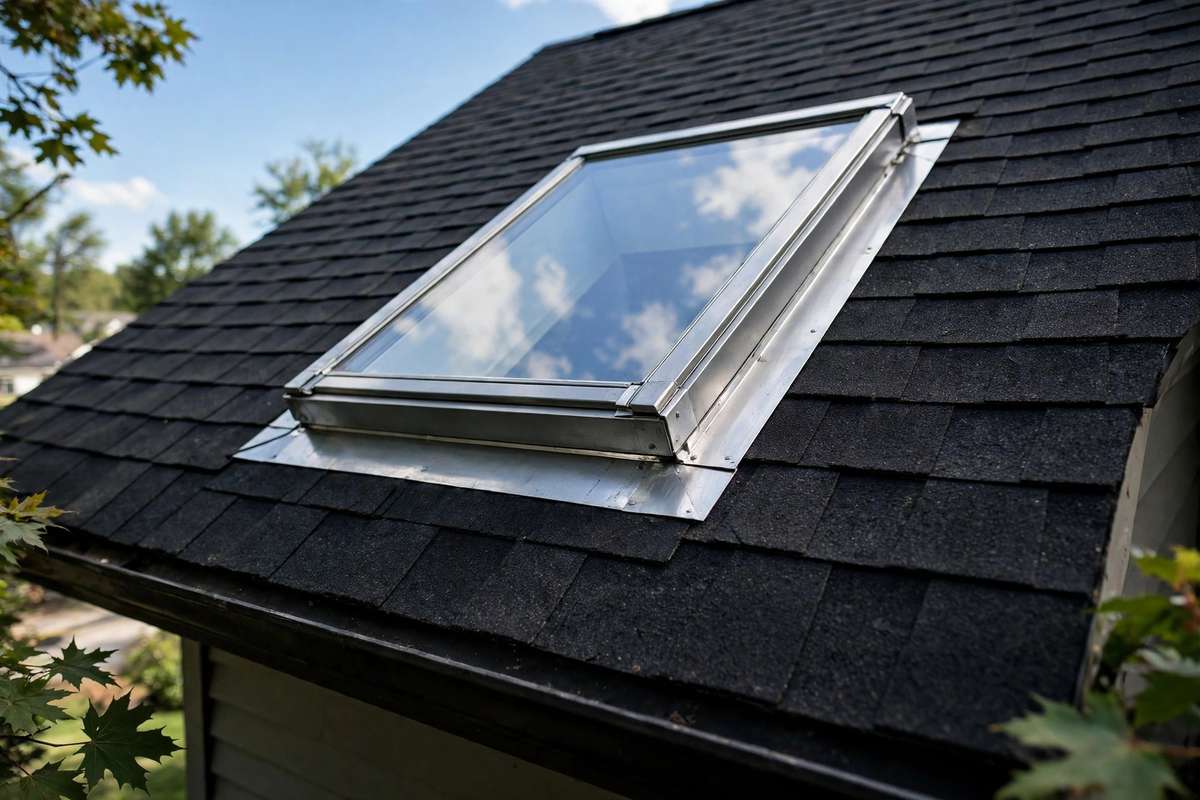
Forming on site means each run matches its elevation exactly, with no field splices mid-run.
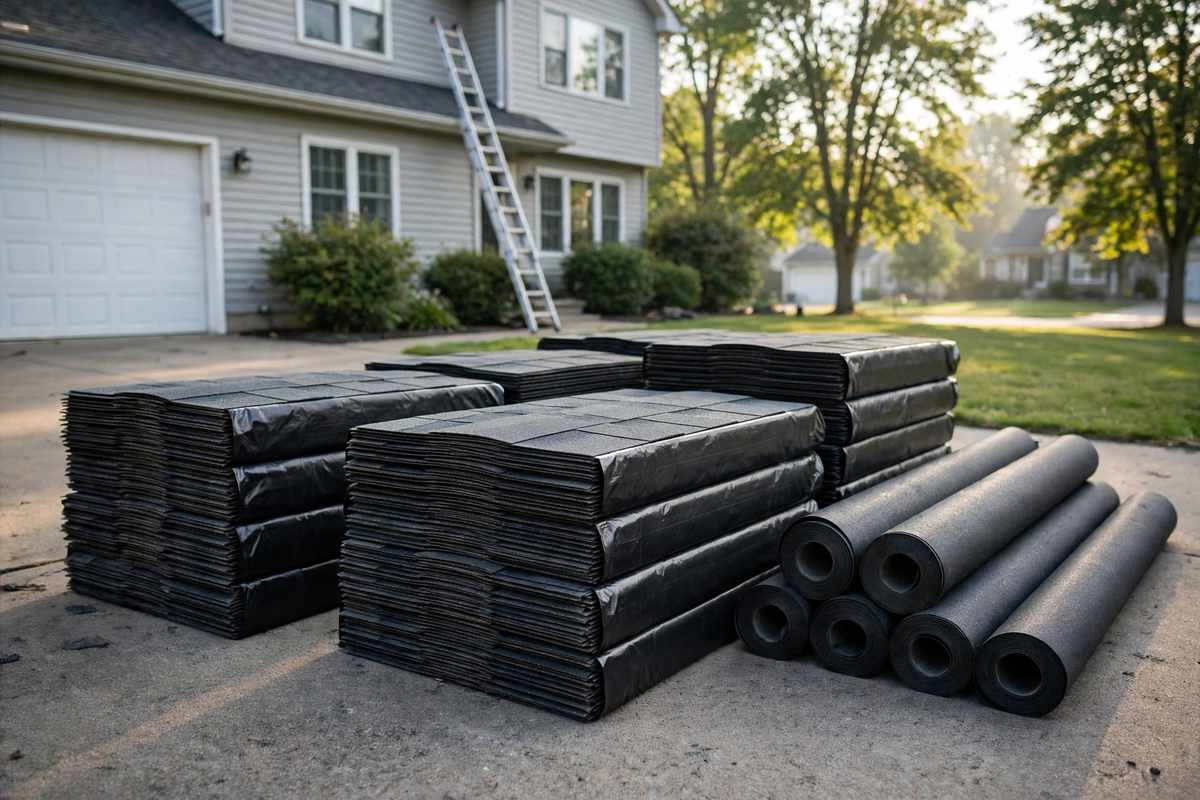
Hangers are spaced to the system specification so runs stay straight and attached through freeze-thaw cycles.
A mid-century home still carries its original steel gutter, rusted at the joints and pulling from the fascia. The old runs are removed, the fascia is checked, and seamless aluminum runs go in with new outlets and downspouts.
A home with 5-inch gutter overflows at valleys and inside corners during heavy rain. The roof planes are measured and larger capacity is scoped where the water concentrates, with downspouts placed to match.
Ice dams at the eave and water near the foundation often share a cause: drainage that does not move water away. Gutters, downspouts, and eave flashing are scoped together, and attic ventilation is checked as part of the picture.
A low-slope porch or garage roof with box outlets backs up in heavy rain. The outlets are resized, the pitch is confirmed, and downspouts are placed so water leaves the low slope.
Roof area, tree cover, and fascia age differ across Des Moines, and gutter scope follows those differences. Mature canopy, steep pitches, and older fascia each change the measure.
A mid-century home carries original steel gutter, rusted at the joints and pulling from the fascia in places. Water spills at the rusted joints during rain.
A typical scope removes the old runs, checks and repairs the fascia, and installs seamless aluminum runs with new outlets and downspouts, pitched toward the outlets.
Keeping gutters clear of debris helps new runs drain as designed, especially under mature trees.
A home overflows at an inside corner and a valley during heavy rain, while the rest of the system drains. The runs are undersized for the roof planes feeding them.
A typical scope adds capacity at the valley and corner, resizes the outlet, and confirms pitch along the full run. The rest of the system is left alone where it drains.
Overflow at one corner usually means capacity, not a failing system. Measuring the roof planes feeding that corner answers it.
A home has recurring ice dams at the eave and damp soil at the foundation after thaw. Gutters overflow at the eave and downspouts discharge beside the wall.
A typical scope addresses drainage as a system: gutter capacity and pitch, downspout placement away from the foundation, and eave flashing, with ventilation checked as part of the picture.
Downspouts should carry water away from the foundation. Where they discharge beside the wall, the soil stays damp through every thaw.
Gutter problems show at the foundation, the fascia, and the eaves. Here is what each one means.
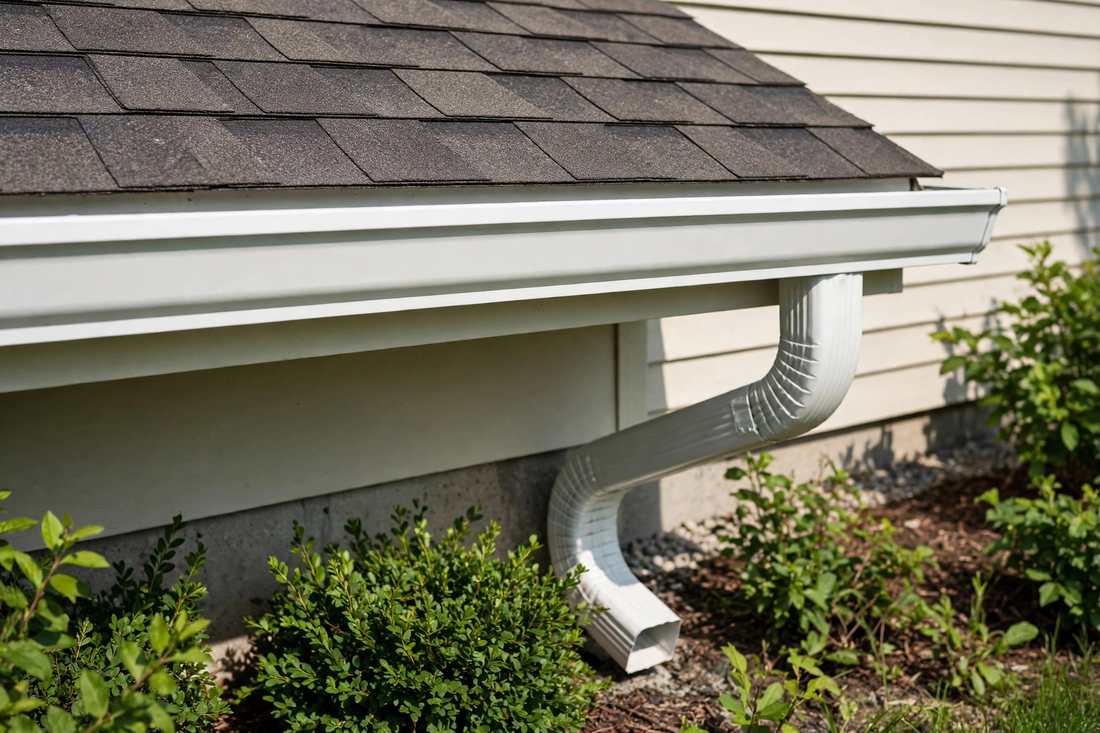
Downspouts discharging beside the wall keep soil damp and push water toward the foundation. Downspouts and outlets are placed to carry water away from the building.
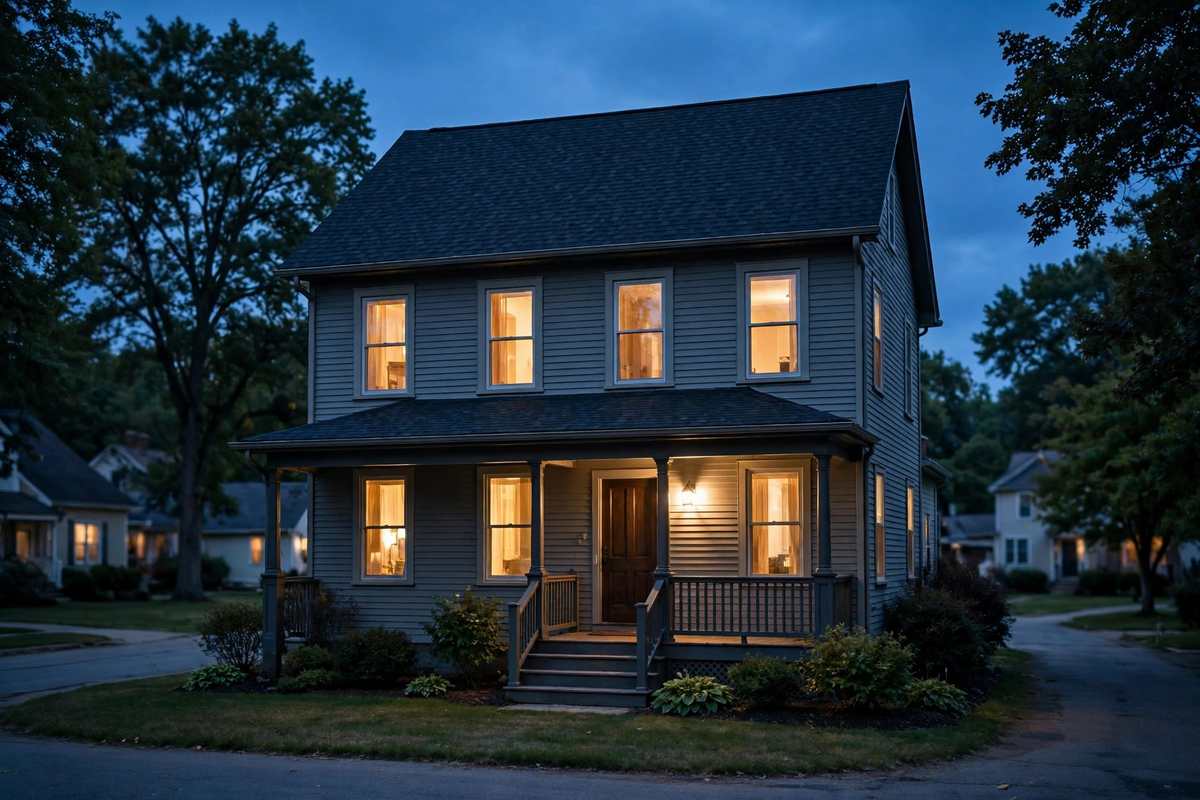
Hangers worked loose by freeze-thaw cycles let runs sag and pull from the fascia. Runs are re-secured to the system specification and damaged fascia is repaired before re-hanging.

Ice dams at the eave often involve ventilation and eave flashing as well as gutters. The drainage is scoped and ventilation is checked, so the cycle is addressed rather than patched.
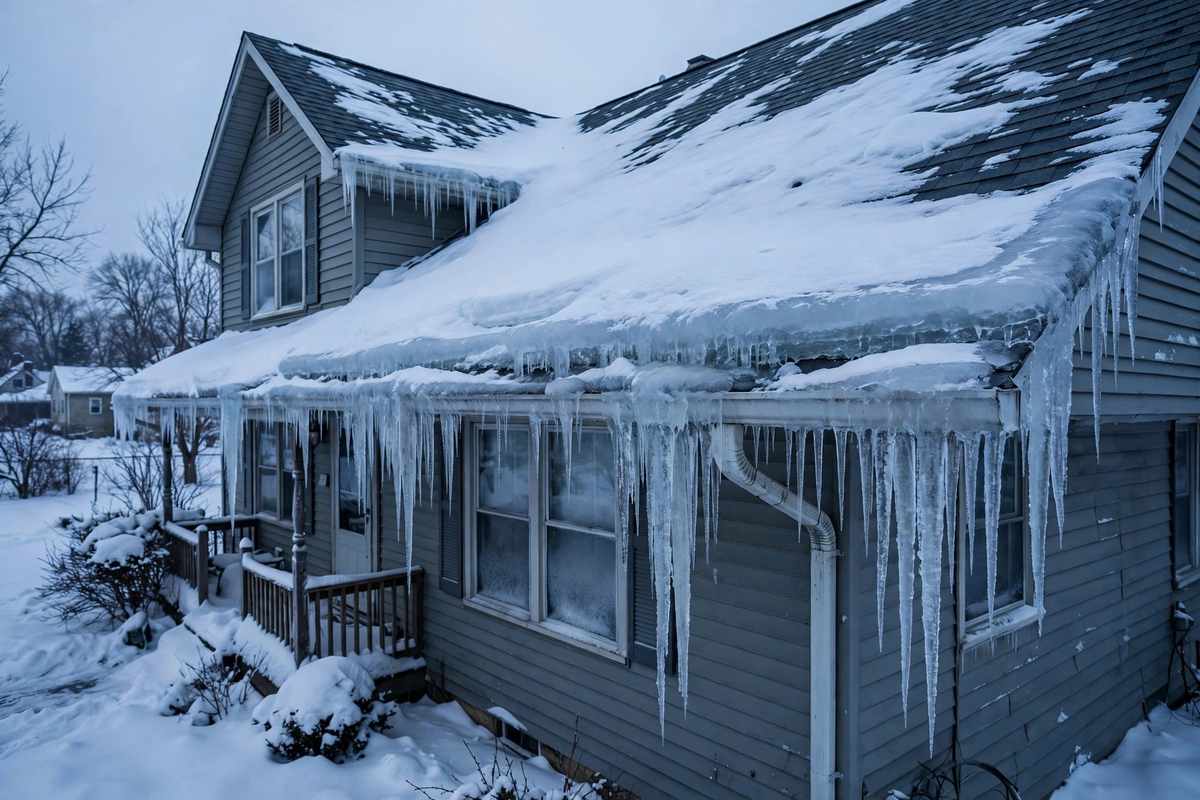
Valleys and inside corners concentrate water from two roof planes. The planes feeding each corner are measured and capacity and outlets are scoped to match.
Downspouts that carry water away from the building keep soil drier at the foundation wall. Drainage is the part of the roof system that protects everything below it.
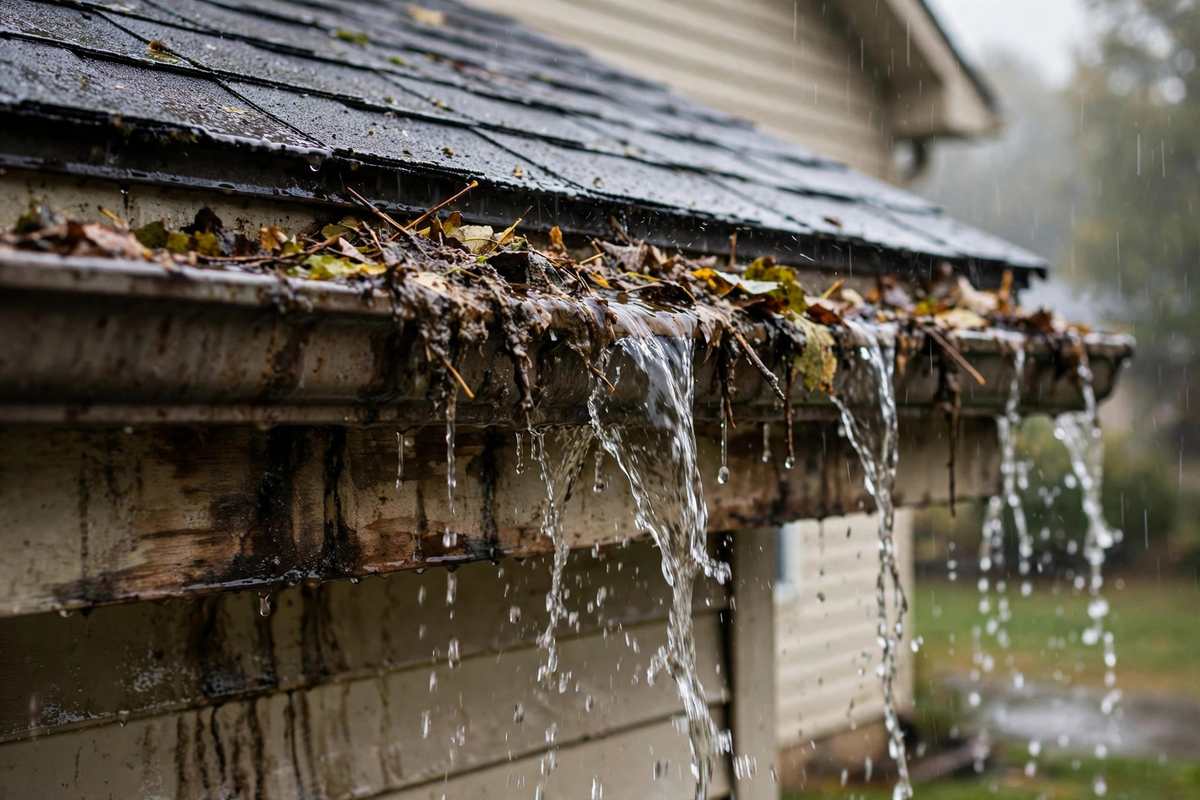
Water that backs up at the fascia rots wood and works under the bottom shingle course. Runs pitched to drain keep the fascia and soffit dry.
Gutters sized and pitched to drain, paired with ventilation that keeps the roof cold, reduce the conditions ice dams need to form.
Straight, well-fitted runs in a color matched to the house look intentional. Seamless runs have fewer joints to catch the eye or the debris.
Records worth asking for, to keep and share.
Ask for runs, outlets, and downspouts listed before work
Ask for profile and color agreed before forming
Ask for water run through the system to confirm flow
Gutter size is a drainage calculation, not a style choice. Here is how the sizing decision actually works.
Larger roof planes and steeper pitches shed more water. As a planning range, seamless aluminum gutters last about 25 years, sectional aluminum about 20, and vinyl 10 to 20. These are planning ranges, not guarantees.
A well-pitched run drains; a level run ponds, whatever its profile. Pitch toward the outlets matters more than the shape of the gutter.
Outlets and downspouts move the water the runs collect. Undersized or poorly placed downspouts undo good runs. Capacity is a system decision.
Questions about an address in Des Moines? Call (515) 385-2566 and ask.
The price depends on the length of gutter, the size and profile, the number of downspouts, the height and access of the roof, and whether fascia repair is needed. Ask for an on-site measure and a written scope with the price before work starts.
Roof area and pitch drive the size. Larger roof planes and steeper pitches shed more water and need more capacity, especially at valleys and inside corners. Ask for the roof planes measured and the size, profile, and downspout count scoped to match.
It depends on the condition of the runs. Isolated sagging, a failed joint, or a displaced downspout is often a repair. Widespread rust, separation from the fascia, or undersized runs that overflow at every rain point toward replacement. An on-site look answers it.
Guards keep leaves and debris out of the runs, which helps on homes under mature trees. They are part of a gutter scope, along with the runs and downspouts. Guards do not remove the need to check that water flows freely to the downspouts.
Call ZT Contracting LLC at (515) 385-2566 to arrange an on-site measure, and ask for the runs, outlets, and downspouts scoped in writing before any work starts.
Call (515) 385-2566, Monday through Saturday, 8 AM to 6 PM, to arrange a time to look at your roof. We are closed on Sundays.