Roofing in Beaverdale for Brick Tudors and Bungalows

Roof repair in Beaverdale, Des Moines, IA, starts with the houses themselves: Tudor Revival brick homes, 1920s and 1930s bungalows, and 1.5-story homes with dormers between Douglas Avenue and Franklin Avenue. ZT Contracting LLC handles roof repair, replacement, leak repair, storm damage repair, and inspections for homes in this northwest Des Moines neighborhood. Call (515) 385-2566, Monday through Saturday, 8 AM to 6 PM.

  • Address3501 Bowdoin St, Des Moines, IA 50313, United States
  • Phone(515) 385-2566
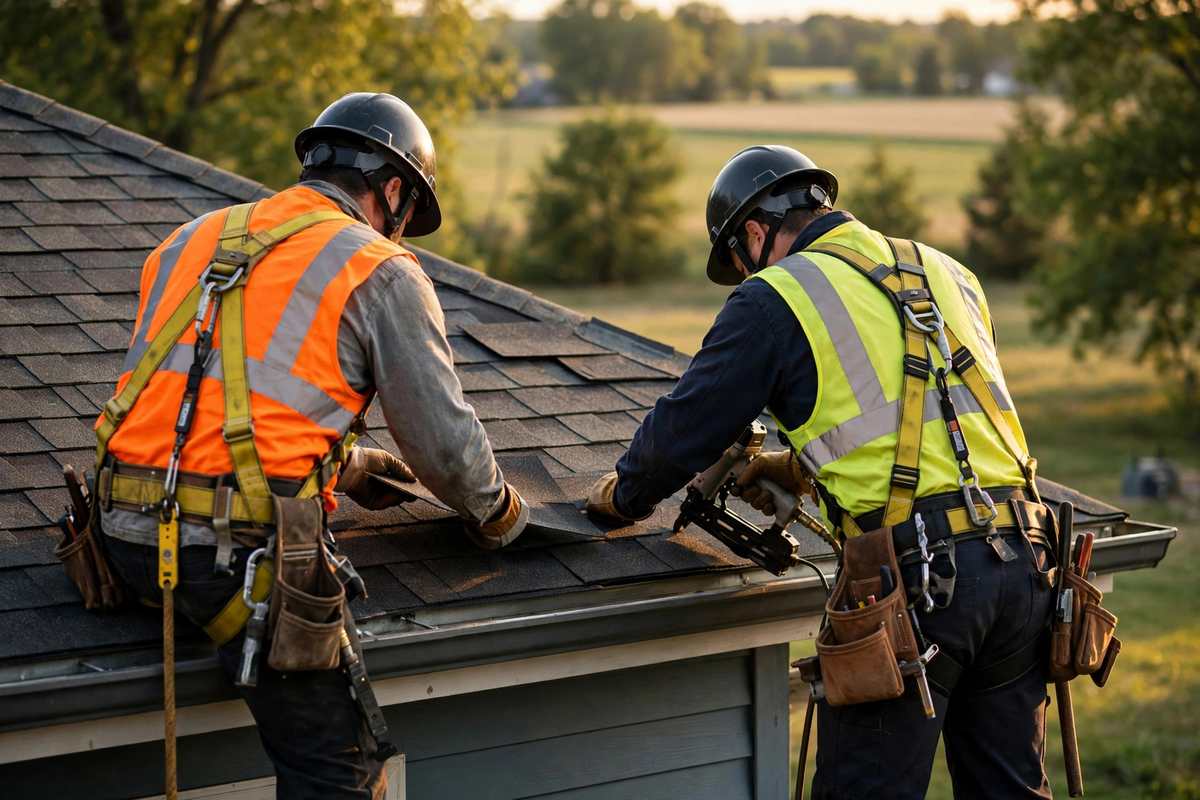
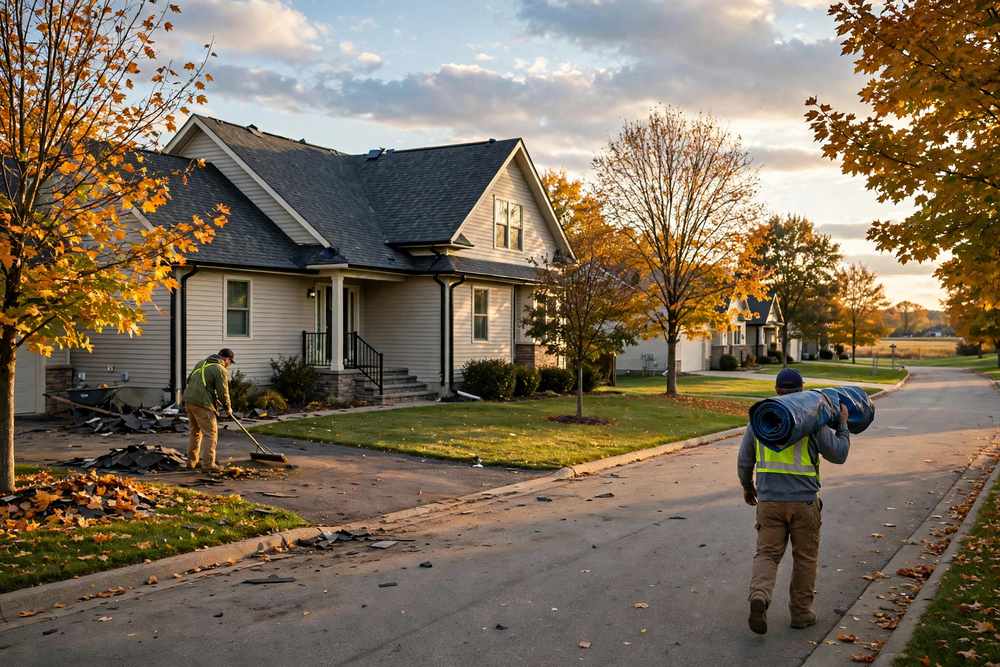
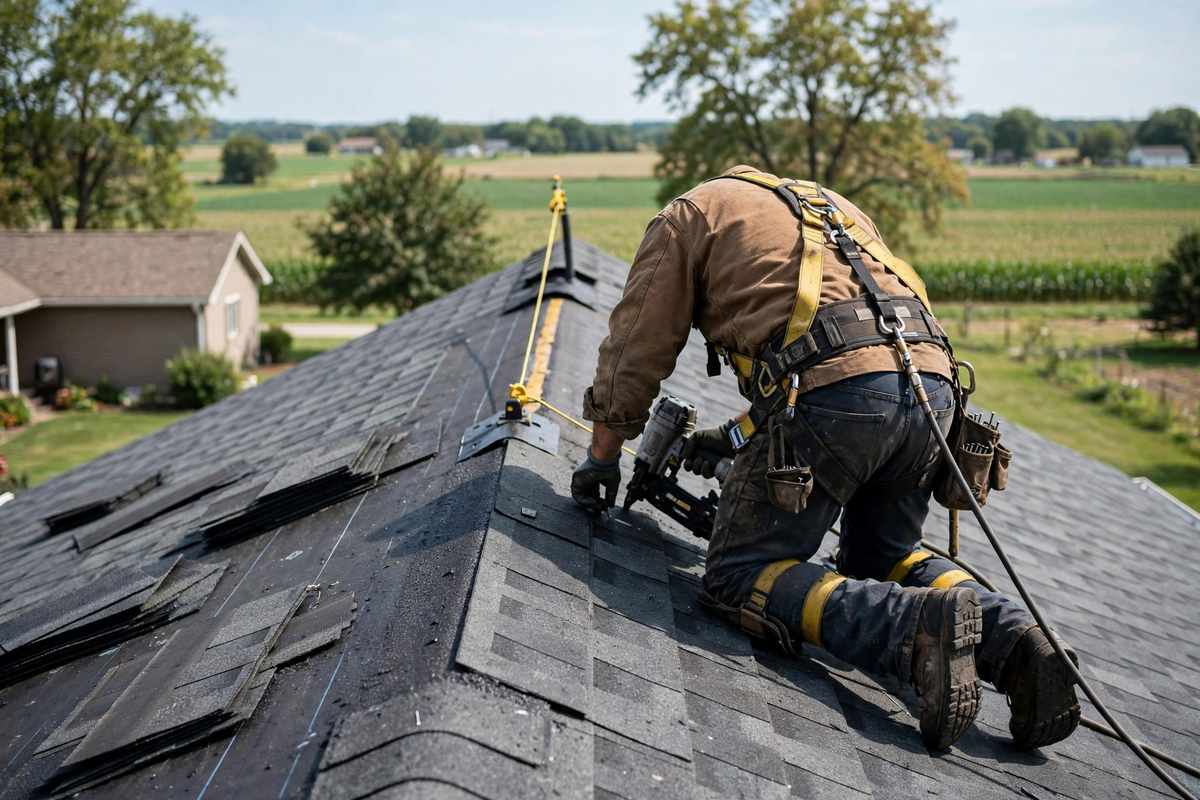
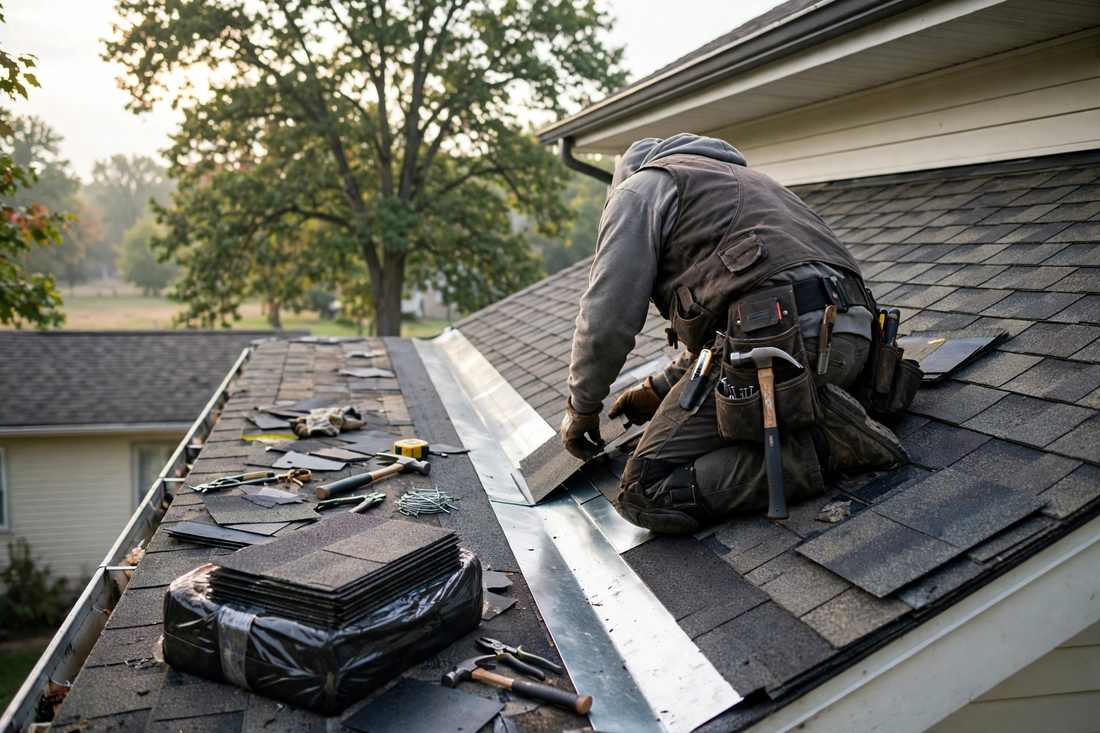
Roofing crew at work on a home in Beaverdale, Des Moines, Iowa

Roofing in Beaverdale, Des Moines

  • 5.0 stars from 16 Google reviewsAll 16 reviews five stars
  • Monday–Saturday, 8 AM–6 PMClosed on Sundays
  • 3501 Bowdoin St, Des MoinesRoofing contractor, Des Moines, IA
  • Roof repair and replacementLeak, storm, and inspection work too

Beaverdale Brick Homes and the Roofs Over Them

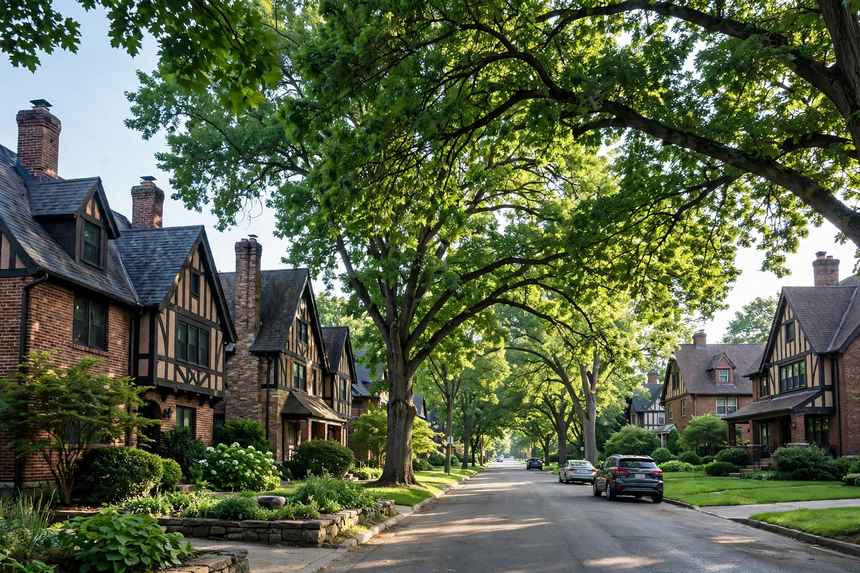
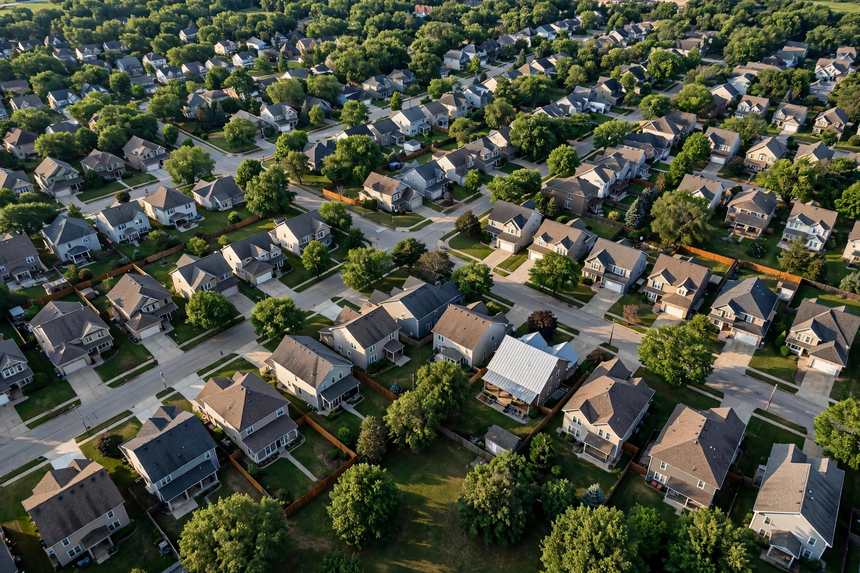
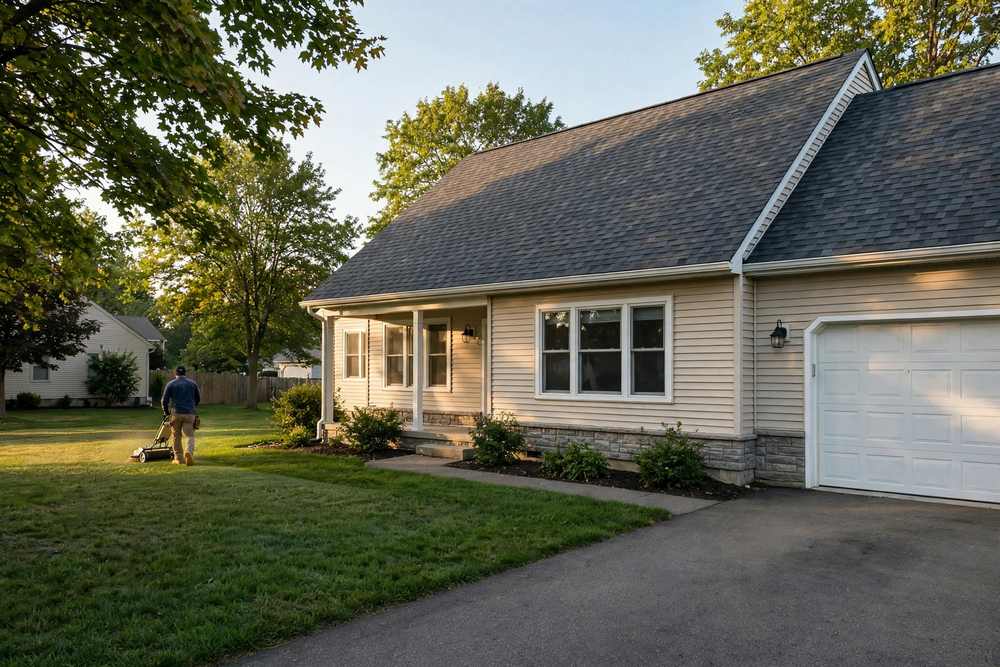
Beaverdale's signature houses are the “Beaverdale Brick” homes: Tudor Revival brick houses, many built by E. T. McMurray in 1938, with textured and patterned brickwork, small entry porches, and arched openings. Most of the neighborhood's subdivisions were built between 1920 and 1940, and the housing around them is mainly 1920s to 1940s bungalows and 1.5-story homes, with Minimal Traditional cottages, Cape Cods, and Colonial-style homes mixed in. The street layout is a grid except for two curvilinear outliers, Maryland Park and Ashby Manor, and lots are small to medium in size with moderate front setbacks and tighter side yards.

That mix shapes what roofing work looks like here. Steep-pitched, cross-gabled roofs are character-defining on the Tudor Revival and Beaverdale Brick homes, and the 1.5-story and Cape Cod houses carry steep gables with dormers. Valleys and dormer flashing deserve close attention on these forms, and the 1.5-story layout raises the usual questions about attic ventilation and ice dams at the eaves. The mature oak and elm canopy over the tree-lined streets drops leaves and holds moisture against roof planes, and branches can sit against shingles. An inspection here is a good time to look at valleys, dormers, ventilation, and how the canopy meets the roof.
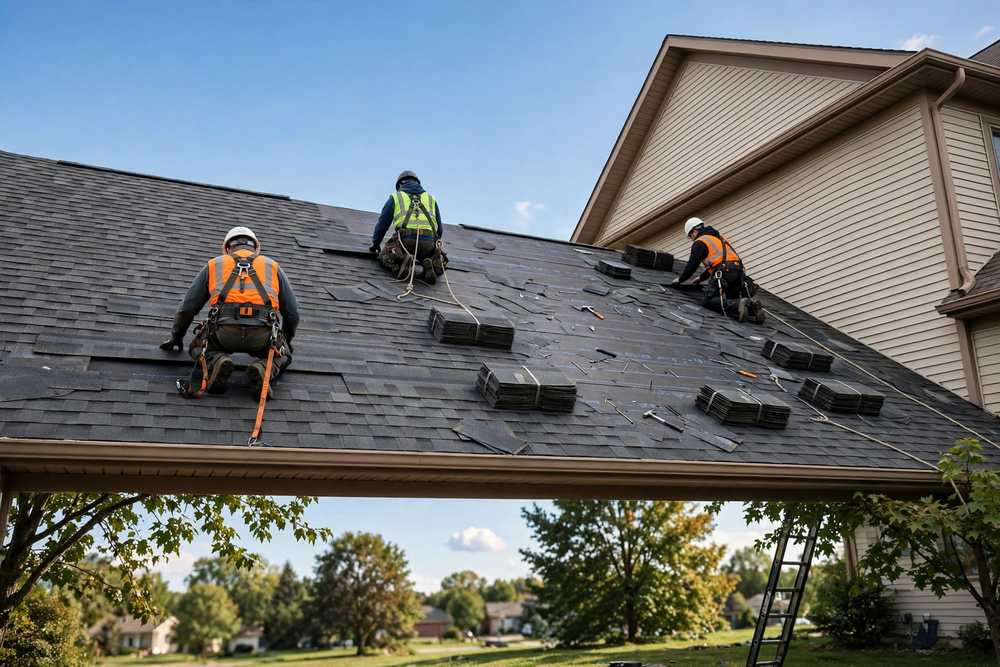
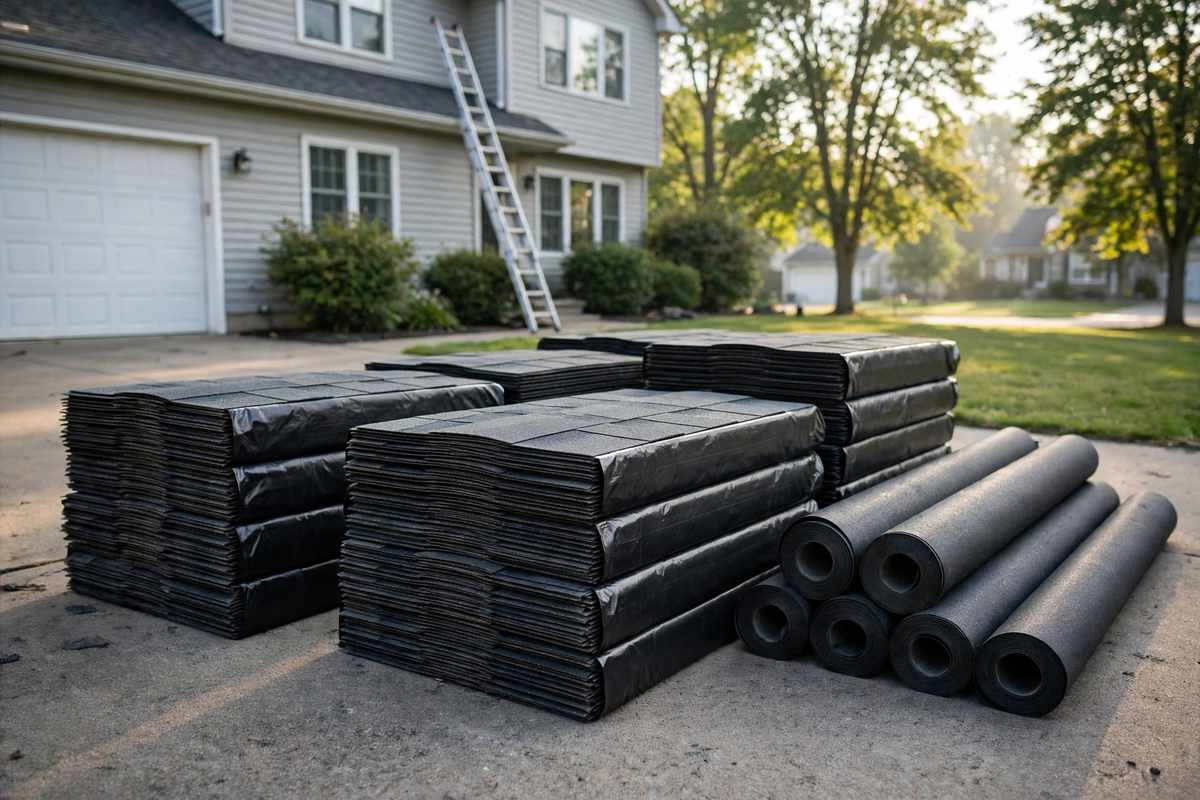
Residential roofing work

Roofing Services for Beaverdale Homes

Each service below is written for the houses Beaverdale actually has: steep Tudor gables, dormered 1.5-story roofs, and brick homes where flashing meets masonry. Choose a service to read what it covers.

How Roofing Work Proceeds in Beaverdale

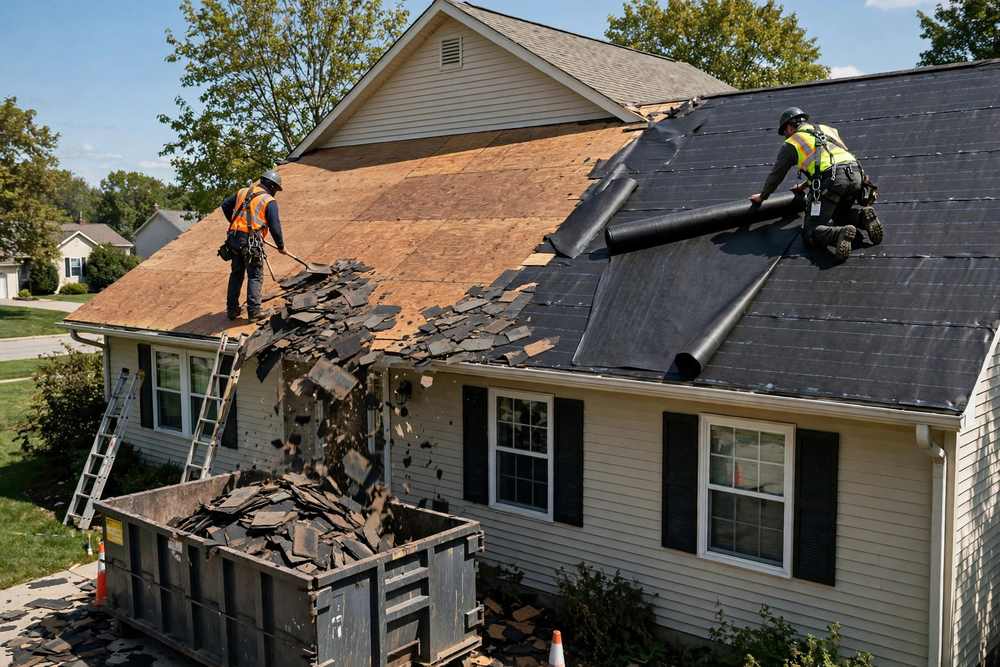
Roof Repair — second view

Roof Repair in Beaverdale

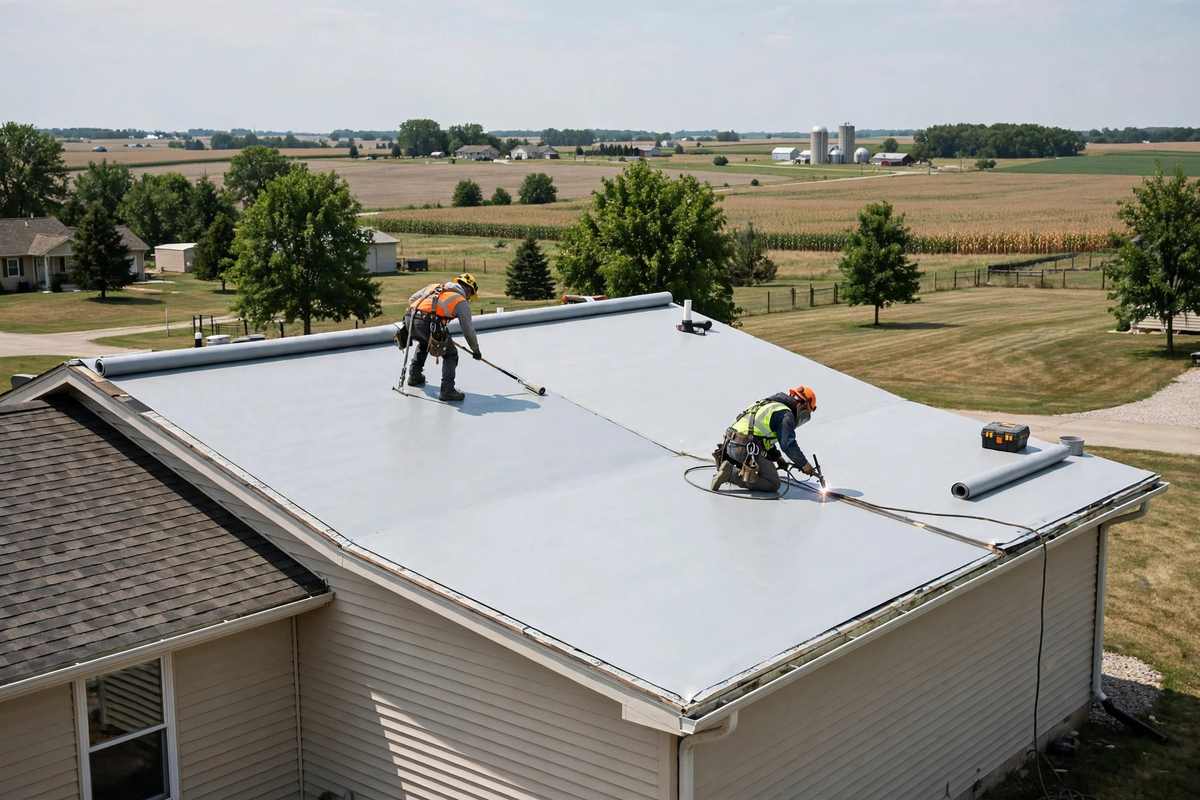
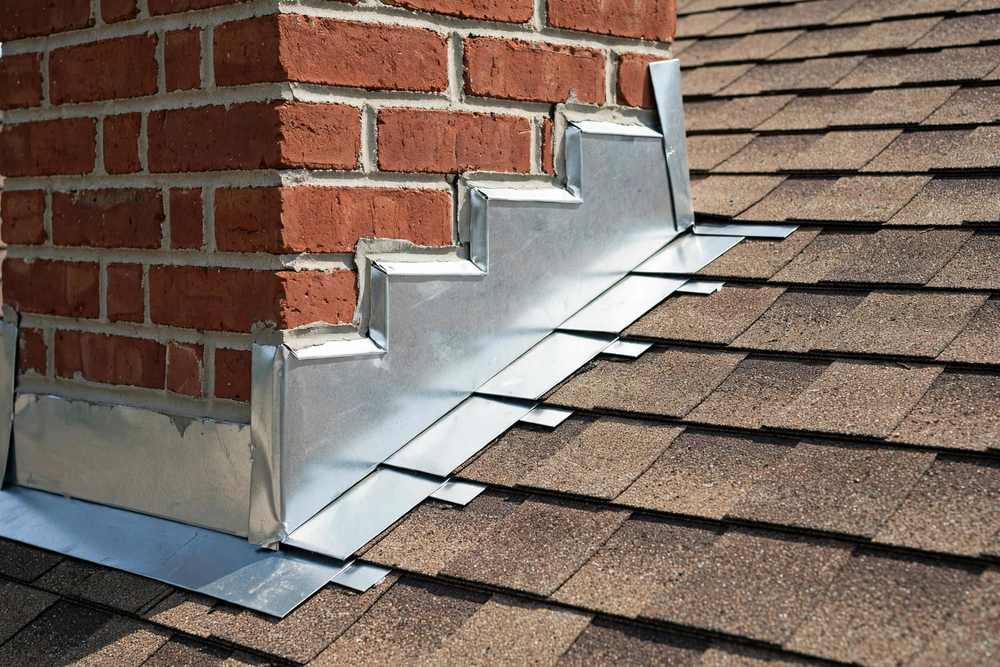
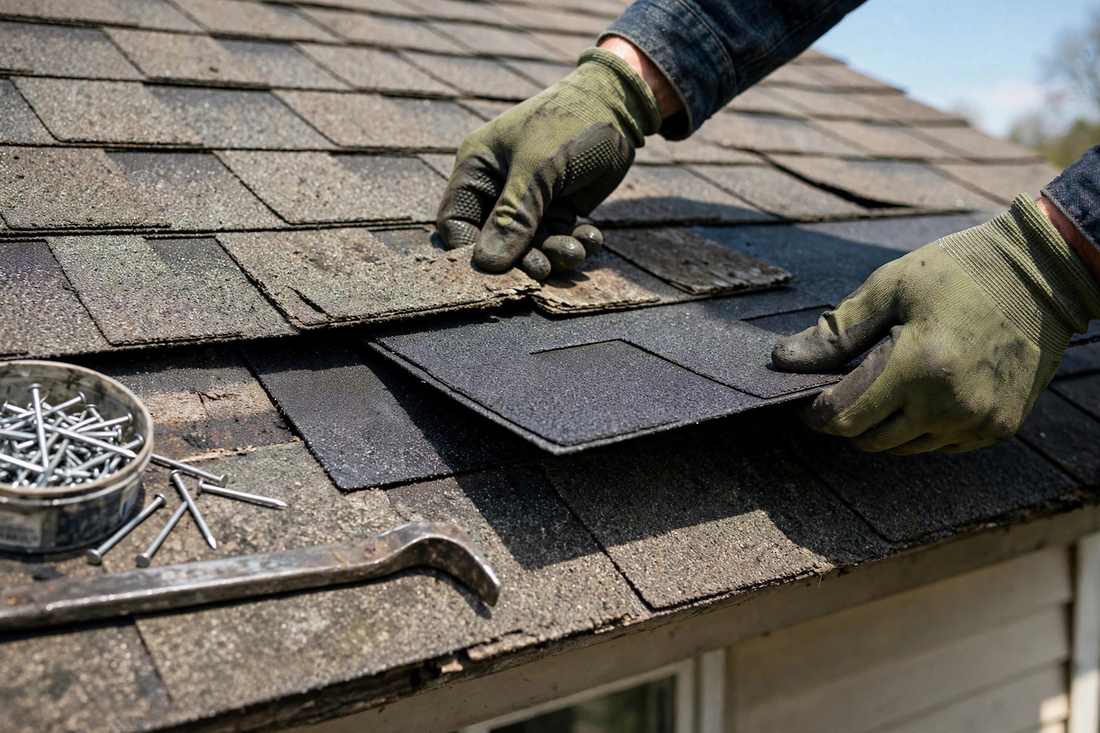
Repair work on a Beaverdale roof usually starts at the flashing: valleys, dormer cheeks, chimney step flashing, and wall intersections. Shingles are replaced where they are missing or damaged, and checking the surrounding area matters, so a repair does not leave the next leak in place.

  • Valley and dormer flashing
  • Shingle replacement where needed
  • Ask for a written scope before work starts
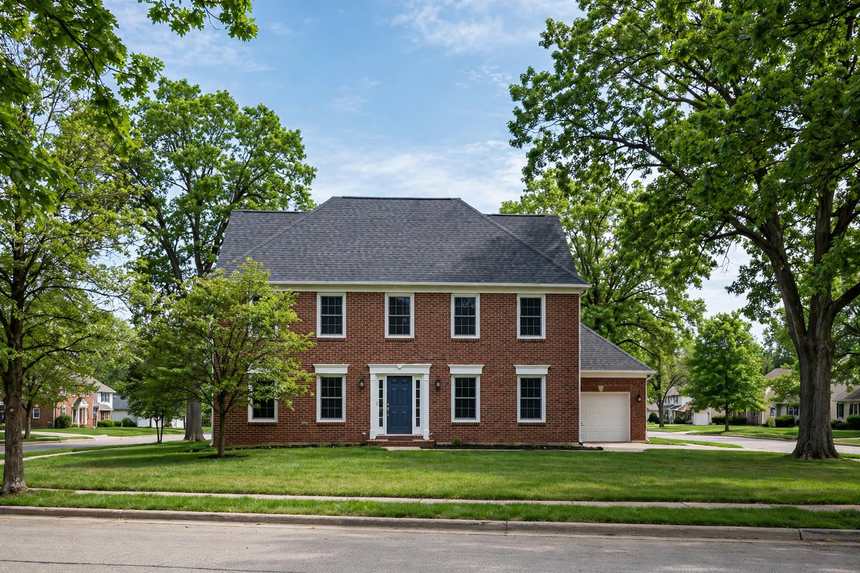
Pitched roofs on neighborhood homes

For homes in Beaverdale

Beaverdale's homes run from 1938 brick Tudors to Minimal Traditional cottages, and each form puts different demands on a roof. What a roof needs follows the house: its pitch, its dormers, and the condition of its decking and flashing.

  • Beaverdale Brick Tudor homes
  • 1920s to 1940s bungalows
  • 1.5-story homes with dormers
  • Cape Cods and Colonial-style homes
For dormers and 1.5-story roofs

For dormers and 1.5-story roofs

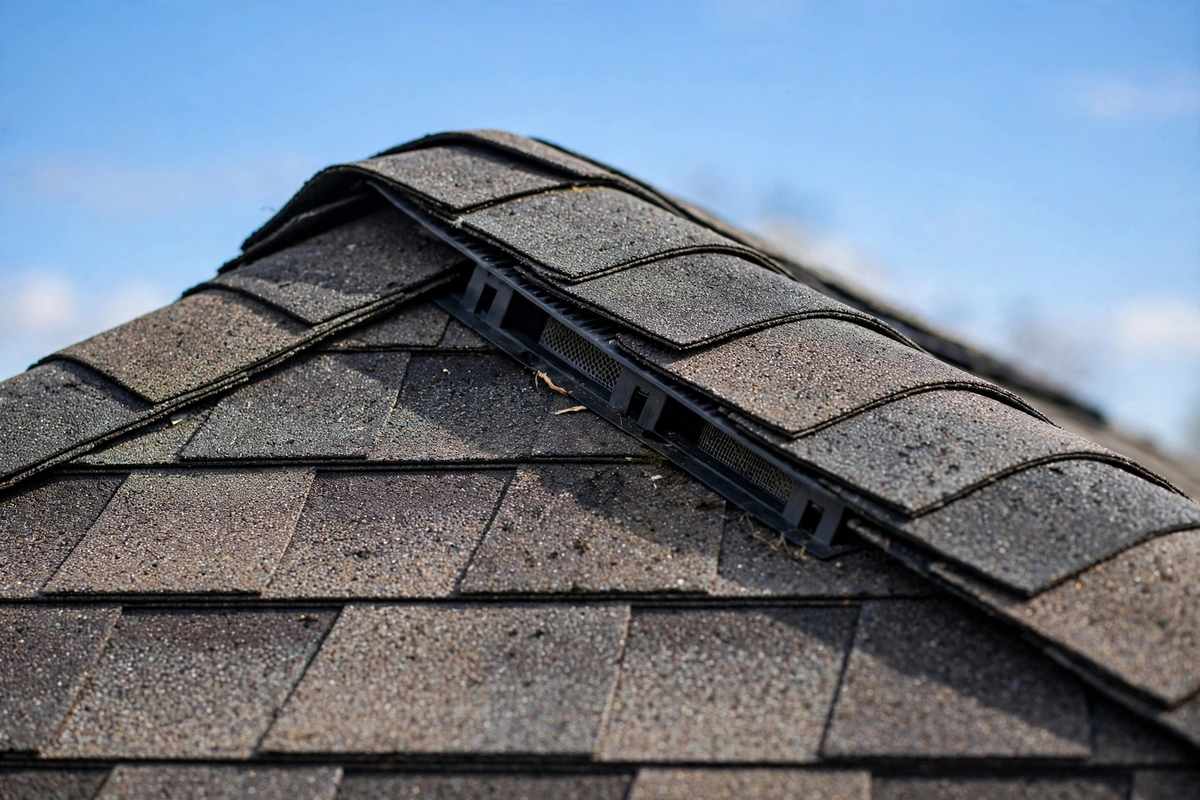
Dormers add valleys, sidewall flashing, and low-slope tie-ins to a roof, and 1.5-story knee walls complicate attic airflow. Flashing details and ventilation deserve extra attention on these roofs, because both show up as leaks or ice dams when they are wrong.

  • Dormer valley flashing
  • Knee-wall ventilation questions
  • Ice dams at the eaves
  • Detached garage roofs on the lot

Roofing Problems Seen on Beaverdale Homes

The problems below follow from Beaverdale's own housing and canopy: steep older roofs, dormers, and mature trees. Each one is described so a homeowner can recognize it and ask informed questions.

  • Ice dams at the eaves

    Ice dams at the eaves

    Snow on a roof melts from heat escaping through the attic, then refreezes at the colder eaves, and the resulting ridge can push water under shingles. Prevention centers on attic air sealing and ventilation, and Des Moines requires an ice barrier on re-roofs. Ice-dam removal is not a service this page offers.

  • Hail damage to shingles

    Hail damage to shingles

    Hail bruises shingles and knocks granules loose, and the damage is not always visible from the ground. Des Moines hail days cluster from mid-April to early September, with June the busiest month. After a hail storm, an inspection can document what the storm did to each roof plane.

  • Leaks around chimneys

    Leaks around chimneys

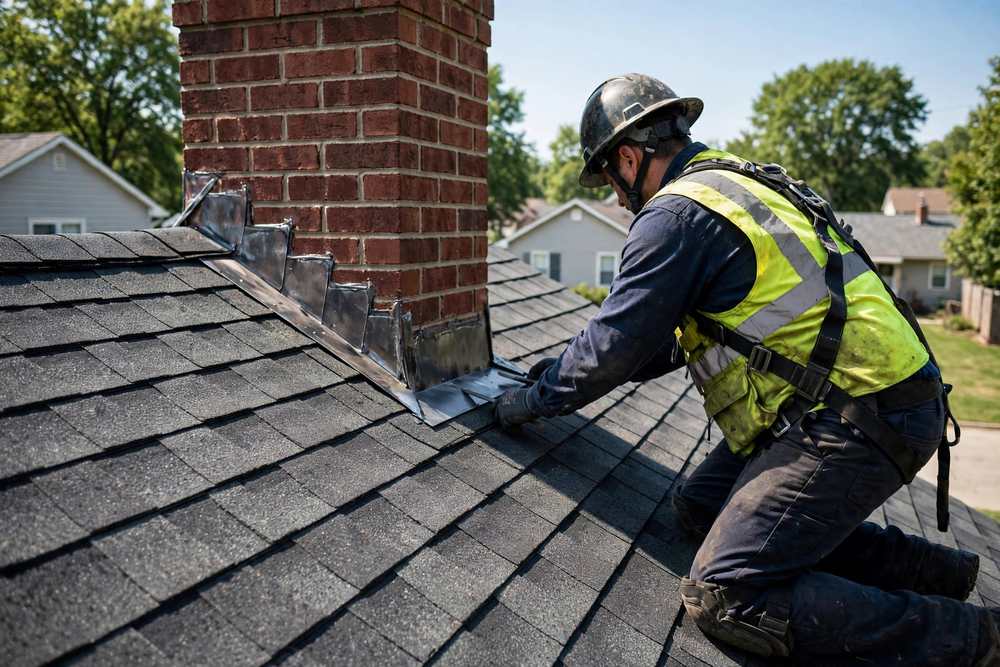
    Chimney flashing fails where brick meets roof, especially on older homes, and water follows the chimney into the house. Flashing work belongs to the roofer; the chimney crown and brickwork belong to a mason. A leak visit should say which side of that line the problem falls on.

  • Gutters under a heavy canopy

    Gutters under a heavy canopy

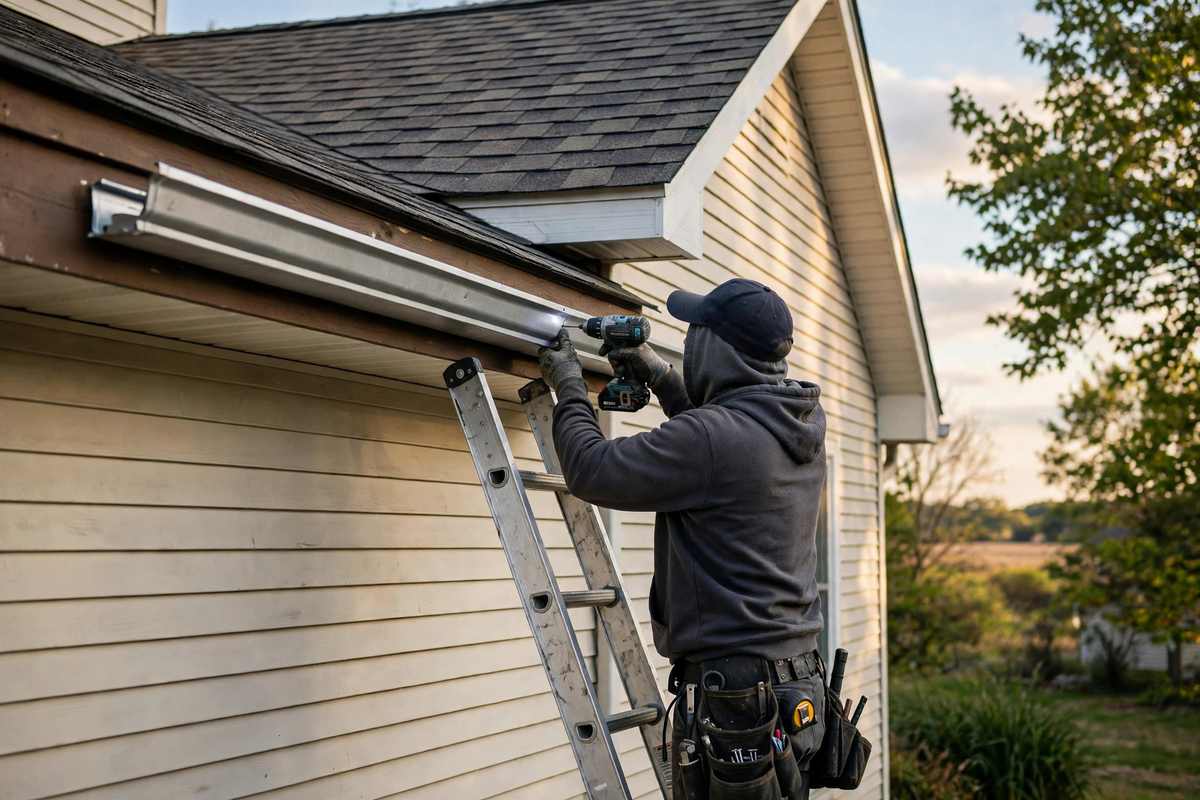
    Oak and elm leaves fill gutters, and water that cannot drain spills over the edge and soaks fascia and siding. Gutter installation, repair, guards, and downspouts are the services that address this; gutter cleaning is not offered as a standalone service.

Signs a Beaverdale Roof Needs Attention

Any one of these signs is a reason to look closer. Together, they usually mean the roof is asking for an inspection rather than another season of waiting.

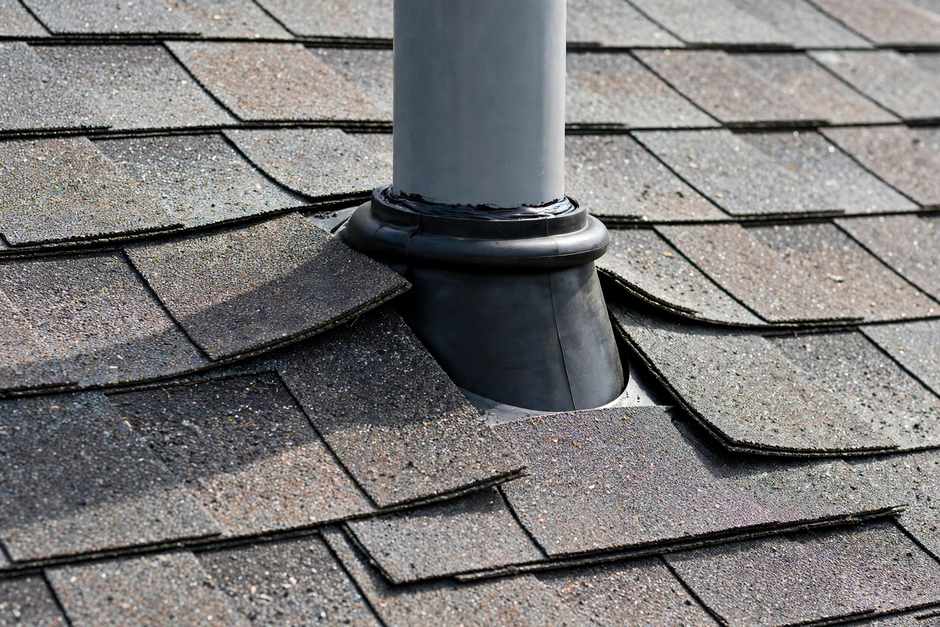
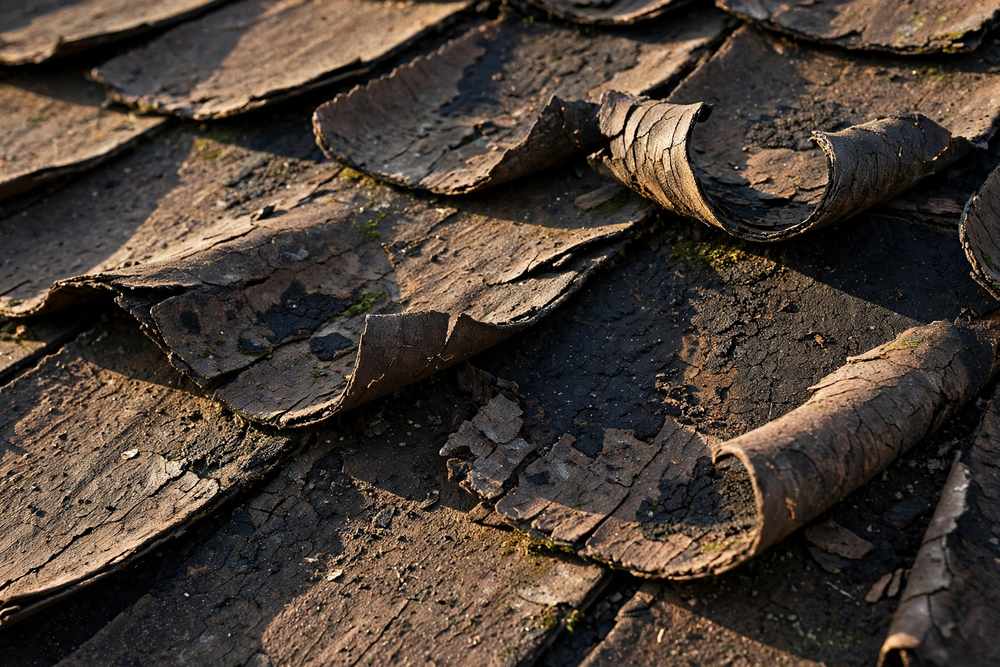
Roof surface showing signs of wear
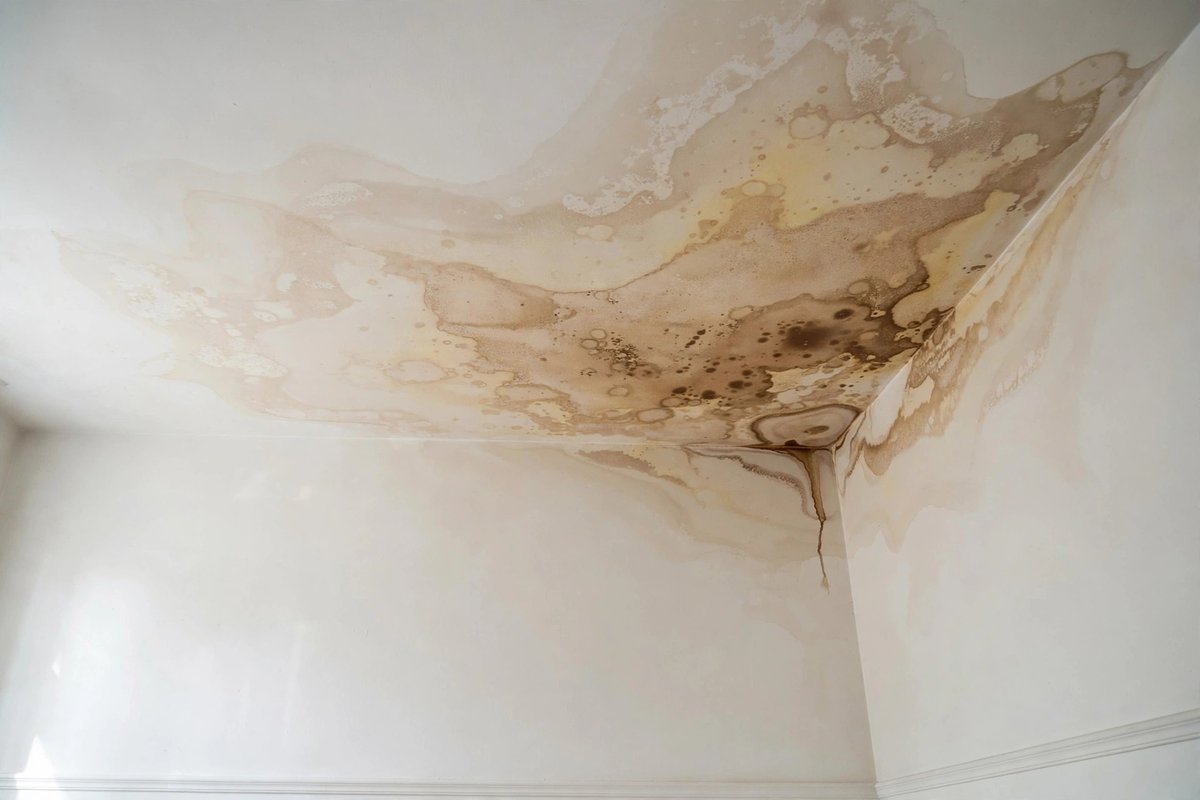
  • Stains on a ceiling or wall

    A brown ring or damp patch on a ceiling usually means water has found a path through flashing, a valley, or a damaged shingle course. On a cross-gabled roof, the entry point can sit well away from the stain, so tracing the path matters more than patching the stain.

  • Shingles missing or curling

    Shingles that lift, curl at the edges, or go missing after wind leave the courses below them exposed. On steep Tudor pitches, a missing shingle is easy to miss from the ground, which is why a roof-level look counts.

  • Granules collecting in gutters

    Asphalt shingles shed granules as they age, and the granules wash into gutters and downspouts. A sudden increase after a hail storm, or a steady accumulation on an older roof, is worth noting during an inspection.

  • A sagging line along the deck

    A dip or sag in a roof plane can mean decking has softened from long-term moisture. Sagging calls for a prompt look at the decking and framing from inside the attic as well as from the roof surface.

  • Daylight visible in the attic

    Light coming through roof boards in the attic marks gaps that admit water and air. Small gaps around penetrations and larger gaps from damaged boards are different problems, and an inspection should tell them apart.

What Beaverdale Houses Call For

Beaverdale roofing work is shaped by three things: the steep, valley-heavy rooflines of the brick Tudors, the dormers on 1.5-story and Cape Cod homes, and the canopy. The notes below explain each one, plus the permit and registration rules that apply across Des Moines.

  • Steep Tudor gables and valleys

    The Beaverdale Brick homes carry steep-pitched, cross-gabled roofs, and every crossing gable adds a valley. Valleys collect water and debris, and their flashing and shingle weaving decide whether the intersection stays dry. On a re-roof, valley construction and dormer flashing deserve as much discussion as the shingle choice.

  • Dormers on 1.5-story and Cape Cod homes

    Dormers interrupt the main roof plane with their own small roofs, valleys, and sidewall flashing. Each dormer is a set of joints, and joints are where leaks start. Repair and replacement scopes on dormered homes should name the dormer flashing explicitly rather than treating it as incidental.

  • Canopy, debris, and shaded roof planes

    Mature oak and elm canopy is one of Beaverdale's defining features, and its roofing consequence is documented: leaf debris, moisture retention, and branch-to-roof contact. Shaded planes stay damp longer after rain, gutters fill faster, and branches that touch shingles wear them. Trimming overhanging branches and keeping gutters moving water are the homeowner-side responses; the roofer-side response is to check valleys, gutters, and shaded planes during an inspection.

  • The January 1, 2027 re-roofing permit change

    Des Moines roofing permits change on a date, and the date matters. Through December 31, 2026, the City's published handout rule is that a straight re-roof needs no building permit, with a permit required only when sheathing or rafters are repaired or replaced. From January 1, 2027, a re-roofing permit is required, under Council Communication 26-244, adopted 7-0. No 2027 fee, ordinance number, repair threshold, or overlay-versus-tear-off rule has been verified, so none is stated here. Either the contractor or the property owner may submit the application.

  • Iowa contractor registration, in plain terms

    Iowa registers contractors under Iowa Code chapter 91C through DIAL. A homeowner can ask any contractor for its registration number and check it. This page makes no registration claim for ZT Contracting LLC, and no registration number is published here.

Places That Orient a Beaverdale Roofing Visit

The places below come from Beaverdale's own neighborhood history and plan. They help a homeowner describe where a house sits; they are not service claims.

  • Beaverdale Park

    One of the neighborhood's parks, in a neighborhood with more than 50 acres of parkland. Houses near the park sit under the same mature canopy that defines the rest of Beaverdale.

  • Ashby Park

    The park that gives the Ashby Manor area its name, beside Beaver Avenue. The Ashby Manor National Register district sits roughly between Beaver Avenue and this park.

  • Witmer Park

    The third of the three parks named in the neighborhood's parkland. Like Beaverdale and Ashby Parks, it sits within the grid of 1920s to 1940s subdivisions.

  • Beaver Avenue

    The neighborhood's commercial corridor, running through the grid of brick and bungalow streets. Corridor buildings are a separate matter from the houses; this page's roofing information is written for homes.

  • Ashby Manor

    A curvilinear subdivision and a National Register historic district, listed September 4, 1992. National Register listing is honorary and imposes no design review on roofing work; Beaverdale has no local historic district.

Where Beaverdale Sits in Des Moines

Beaverdale's bounds are verified in Council Communication 11-702, dated November 21, 2011: Douglas Avenue to the north, Franklin Avenue to the south, about 48th Street to the west, and about 30th Street to the east, in the northwest part of the city. The neighborhood plan was approved in 1991 and the association was chartered in 1993.

  • Douglas Avenue
  • 30th Street
  • 48th Street
  • Franklin Avenue

Roofing Situations in Beaverdale

  • A valley leak on a cross-gabled Tudor

    The situation

    Water shows on an upstairs ceiling after rain, below where two steep gables cross. The shingles look intact from the ground, and the stain grows slowly over a wet season.

    The approach

    An inspection that checks the valley flashing and shingle weaving, the dormer flashing nearby, and the attic side of the same area gives the scope its contents. A scope that names the valley work specifically, and a repair checked against the water path rather than the stain alone, are what to ask for.

  • Ice dams above a 1.5-story knee wall

    The situation

    Icicles hang at the eaves over a 1.5-story section, and water backs up under the first shingle courses during a thaw. The attic above the knee wall runs warm while the eaves stay frozen.

    The approach

    The prevention conversation should cover attic air sealing and ventilation, and any re-roof includes the required ice barrier. No removal method is promised here; the fix is framed as prevention, judged per house.

  • Gutters overflowing under the canopy

    The situation

    After a leaf fall, gutters spill at the corners and water runs down the brick. The fascia stays damp, and the ground beside the foundation stays wet after rain.

    The approach

    Gutter and downspout work should be scoped to move water away from the house: repair or installation, guards where they fit, and downspouts placed to drain. Overhanging branches touching the roof are a homeowner-side item to address.

What Google reviewers say about ZT Contracting LLC

5.05.0 stars from 16 Google reviews

  • These guys are amazing! This was my first experience with needing damage repairs on our roof and I was worried it would be a stressful process. Tim was incredibly informative and answered any questions we had, even worked with our insurance to get our needs met. They completed our home within a day, and even kept us updated on the progress when we had to leave town. It's beautifully done, and I will absolutely use them again. Thank you again to the whole crew!
    StephanieGoogle review · 3 months ago
  • They did an awesome job! Our job was a small one, but they didn't hesitate to do it when bigger companies felt it wasn't worth their time. Friendly and professional! I would recommend ZT Contracting for your siding & roofing needs.
    Shelly LacyGoogle review · 3 months ago
  • I had a roof stripped off and new installed by ZT contracting. They were very professional with great communication. It was definitely faster than expected and even came in under budget. I am more than satisfied with the quality of work and company. Thank you ZT CONTRACTING. I'm sure you'll see me again.
    Joe MueggenbergGoogle review · 6 months ago
  • I have had the best experience with ZT Contracting. The company and it's workers are hard working, time efficient ,and helpful . Their employees go above and beyond to produce quality work and amazing outcomes. Highly recommend.
    Anthony PolsonGoogle review · a year ago
  • Did great work! Very professional, easy to work with and had great communication. Great price and value compared to other contractors!
    NicoleGoogle review · a year ago

Beaverdale Roofing Through the Seasons

  • Spring

    Spring rain finds the leaks winter created. With hail season opening in mid-April, spring is the time to have valleys, dormers, and flashing looked at, and to check that gutters are moving water freely after winter.

  • Summer

    June is the busiest hail month in Des Moines, and summer storms test steep Tudor pitches and dormer flashing alike. After a hail or wind storm, documenting each roof plane before repairs are scoped gives the decision its evidence.

  • Fall

    September through November is the pre-winter window. Leaves fill Beaverdale gutters fast under the canopy, so gutters and downspouts should be moving water freely before the first freeze, and repairs should be finished while temperatures allow.

  • Winter

    December through March is ice-dam season, and Des Moines averages 36.5 inches of snow a year on NOAA 1991–2020 normals. Ventilation and the ice barrier do the prevention work; heavy snow and ice at the eaves are reasons to call and talk through what is happening.

What to Ask Before Hiring a Roofer in Beaverdale

These questions are written for Beaverdale's houses. A clear answer to each one tells a homeowner more than any slogan could.

  • How will you handle the valleys and dormers?

    On a cross-gabled or dormered roof, valleys and dormer flashing are the work that decides whether the roof stays dry. Ask how valley construction and dormer flashing are described in the written scope, and whether the scope names them at all.

  • What will the inspection cover?

    Ask whether the inspection covers shingles, flashing, valleys, dormers, gutters, and attic ventilation, and whether findings come with photos. For a 1.5-story home, ask how the attic and knee-wall areas are checked.

  • Will the written scope list materials and flashing work?

    A written scope should list what is being removed, what is being installed, which flashing is replaced, and how decking repair is handled if it is found. Ask for the scope in writing before work starts.

  • Does the re-roofing permit rule affect my job?

    The date break matters for timing: through the end of 2026, the City asks no permit for a straight re-roof unless sheathing or rafters are repaired or replaced, while a re-roofing permit becomes required on January 1, 2027. Ask how the job's timing relates to that break, and who submits the application.

  • What should I know about the Ashby Manor listing?

    Ashby Manor is a National Register district, and National Register listing imposes no design review on roofing work. Matching the existing roofline is a homeowner choice here, never a legal requirement, and Beaverdale has no local historic district.

FAQs About Roofing in Beaverdale

Still wondering? (515) 385-2566

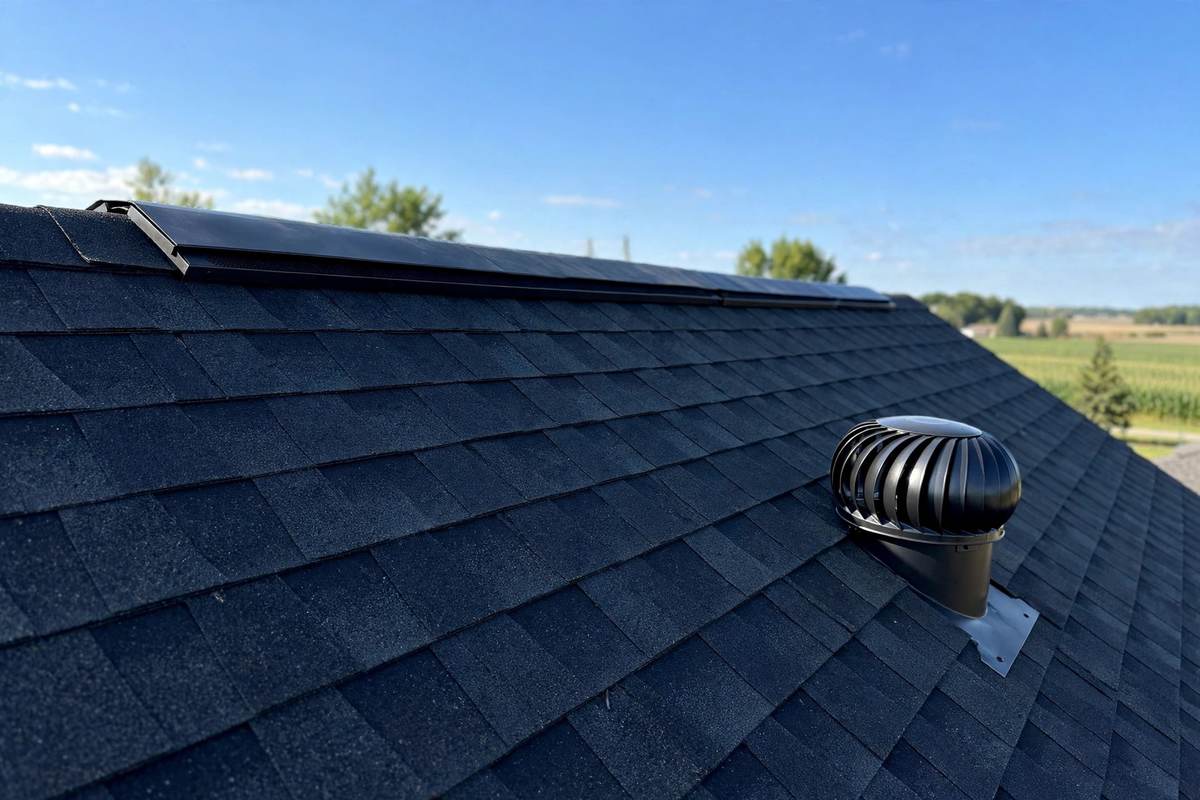
Inspecting a roof surface

Call ZT Contracting LLC About Roofing in Beaverdale

If your Beaverdale roof is leaking, missing shingles, or due for a closer look, call (515) 385-2566. ZT Contracting LLC is based in Des Moines, with business hours Monday through Saturday, 8 AM to 6 PM.

Get Your Roof Inspected in Beaverdale

Call (515) 385-2566 to talk about a Beaverdale roof inspection, repair, or replacement. The office keeps Monday through Saturday hours, 8 AM to 6 PM, and is closed on Sunday. The business address is 3501 Bowdoin St, Des Moines, IA 50313. If water is coming in, say so when you call so the conversation starts with the leak.