Written scope
Ask for openings, venting, and baffles listed before work
Attic ventilation in Des Moines, IA is about balanced air movement: intake at the eaves, exhaust at the ridge, sized to the attic. When air moves, upstairs rooms stay cooler, winter moisture leaves the attic, and ice dams lose the conditions they need. Assessment, venting scope, and installation as part of the roof system are what the service covers.
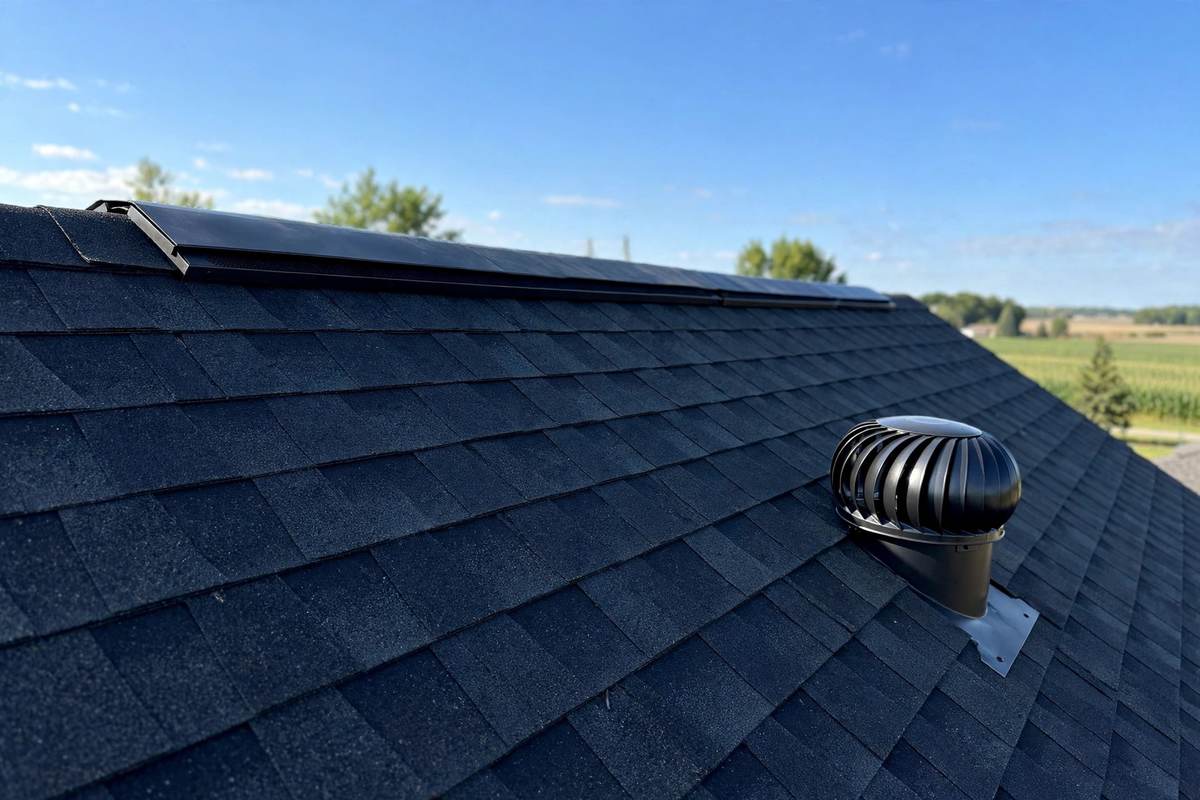
Ventilation is a system, not a single vent. Here is what the service covers, from assessment to the finished airflow path.
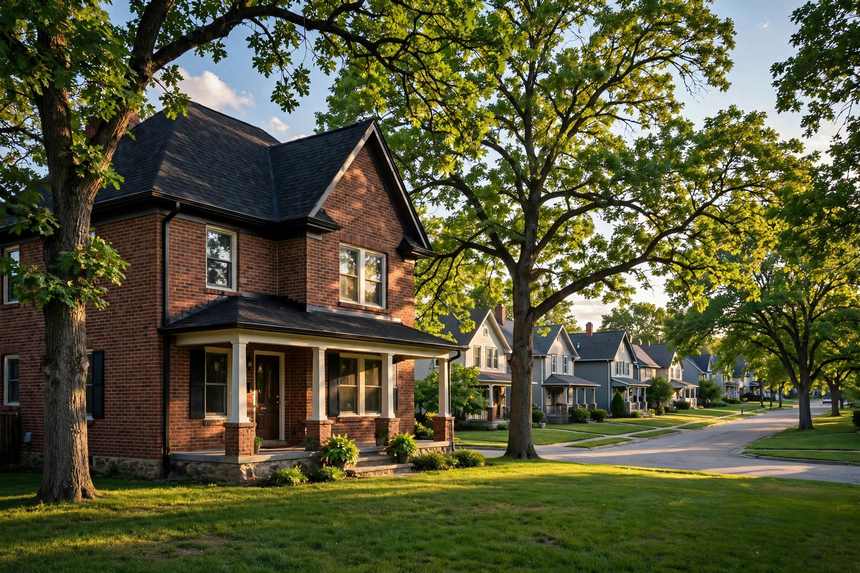
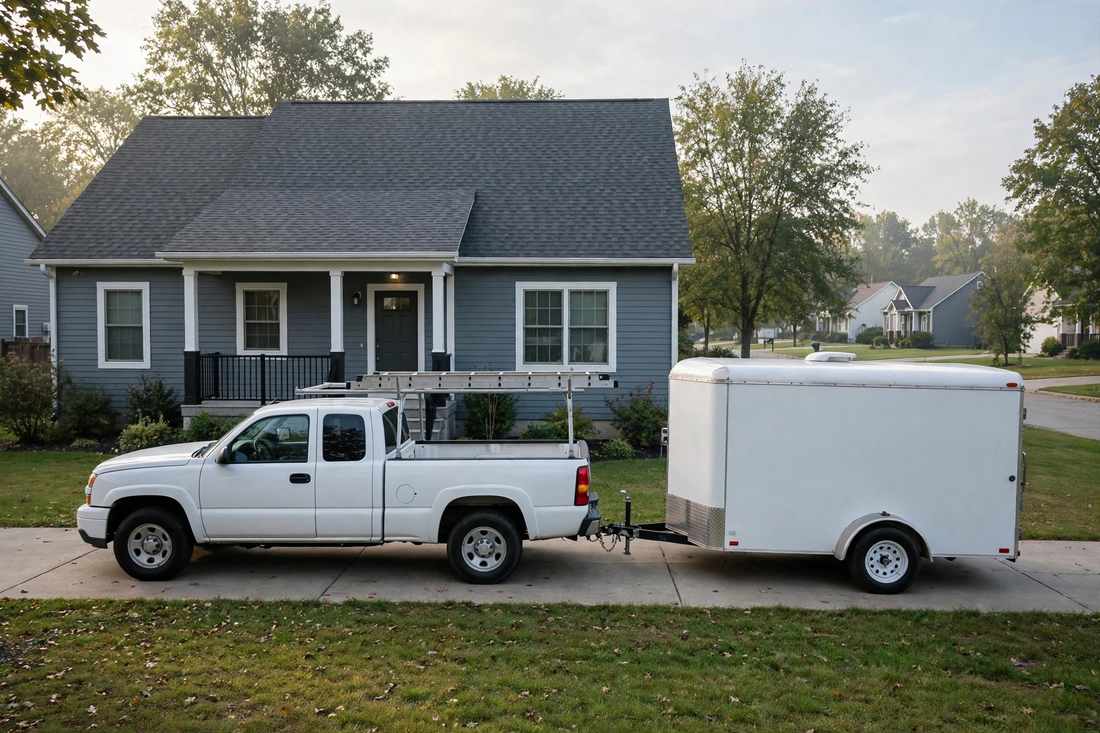
Attic venting covers Des Moines homes of every age. Older homes often have no ridge vent at all, and newer ones often have intake blocked by insulation.
Two-story homes and multi-unit houses have larger attics and longer airflow paths. Intake and exhaust get sized to the attic, not copied from a smaller roof.
Attic ventilation in Des Moines, IA is the work of giving an attic a complete airflow path: outside air in at the eaves, through the attic, and out at the ridge. Intake and exhaust have to match, and the path between them has to stay open. Baffles keep insulation from blocking the eave openings, and ridge venting exhausts at the top. When the path works, the attic stays closer to outside temperature, which protects shingles, decking, and insulation alike.
Des Moines attics face both extremes: summer heat that cooks shingles from below, and winter moisture that condenses on cold decking and feeds ice dams. Older homes in Beaverdale and Highland Park/Oak Park often have no ridge vent, and insulation information is part of every assessment, since insulation condition and airflow interact. Ventilation pairs naturally with a roof replacement, when the roof is open and the full system can be set up at once.
Intake, exhaust, and an open path between them. Miss one and the attic does not breathe.
Here is the typical sequence for a venting job, from assessment to the finished airflow path.
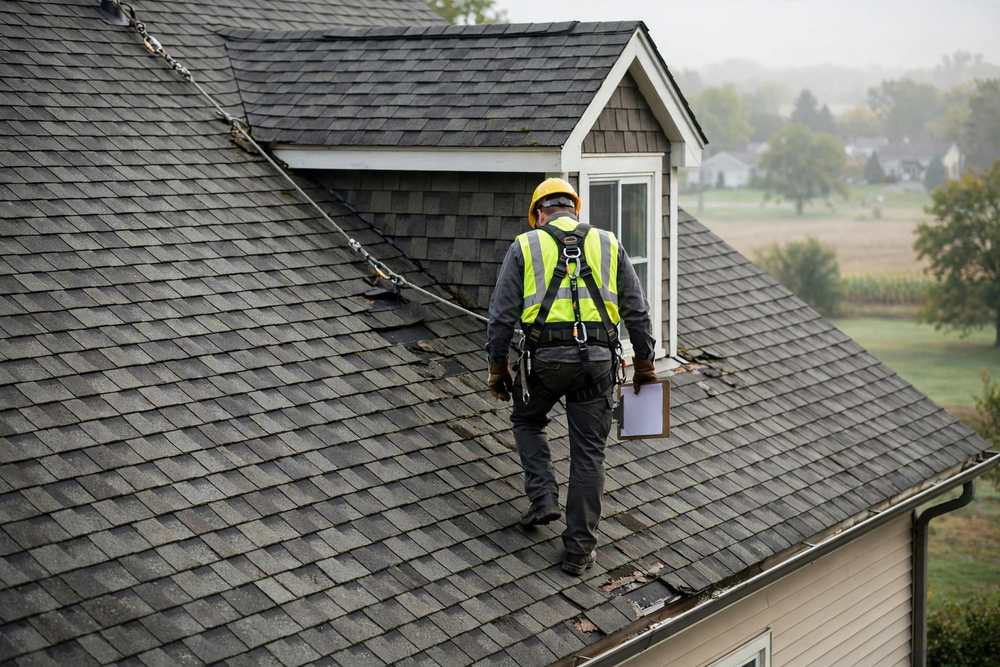
The attic is inspected: intake openings, exhaust openings, insulation condition, baffles, and signs of moisture or frost. The roof surface gets checked for existing vents and ridge condition.
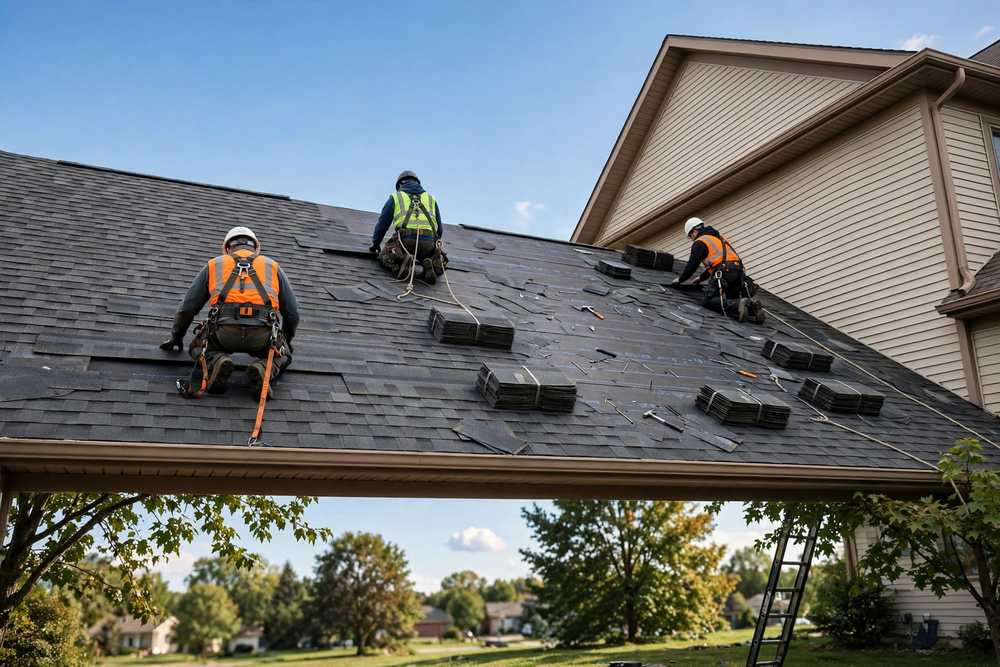
Intake and exhaust are sized to the attic so the two match. The scope names the openings, the venting, and the baffles before work starts.
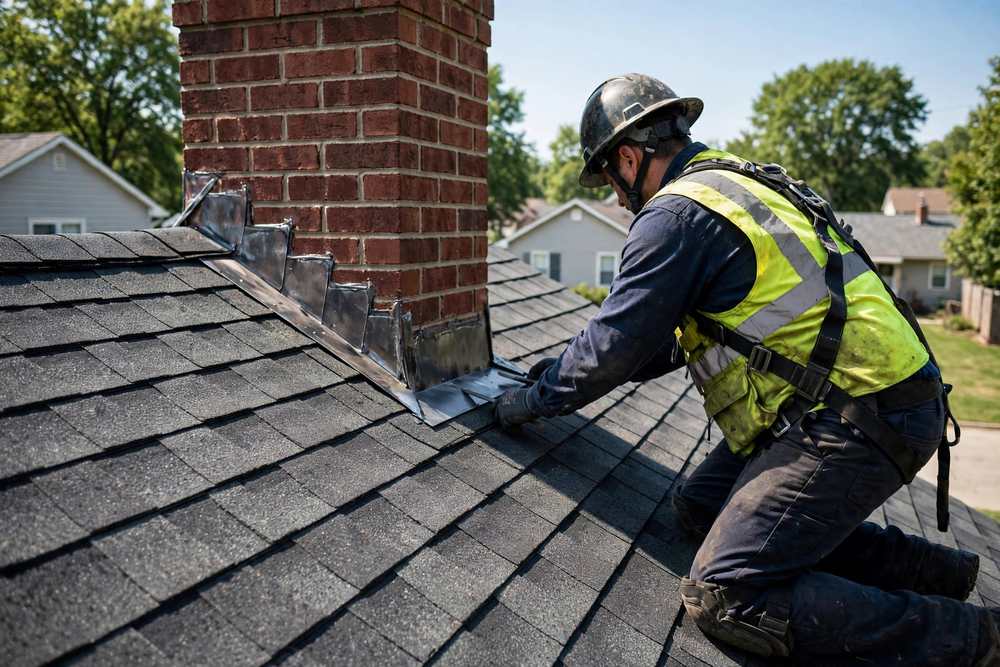
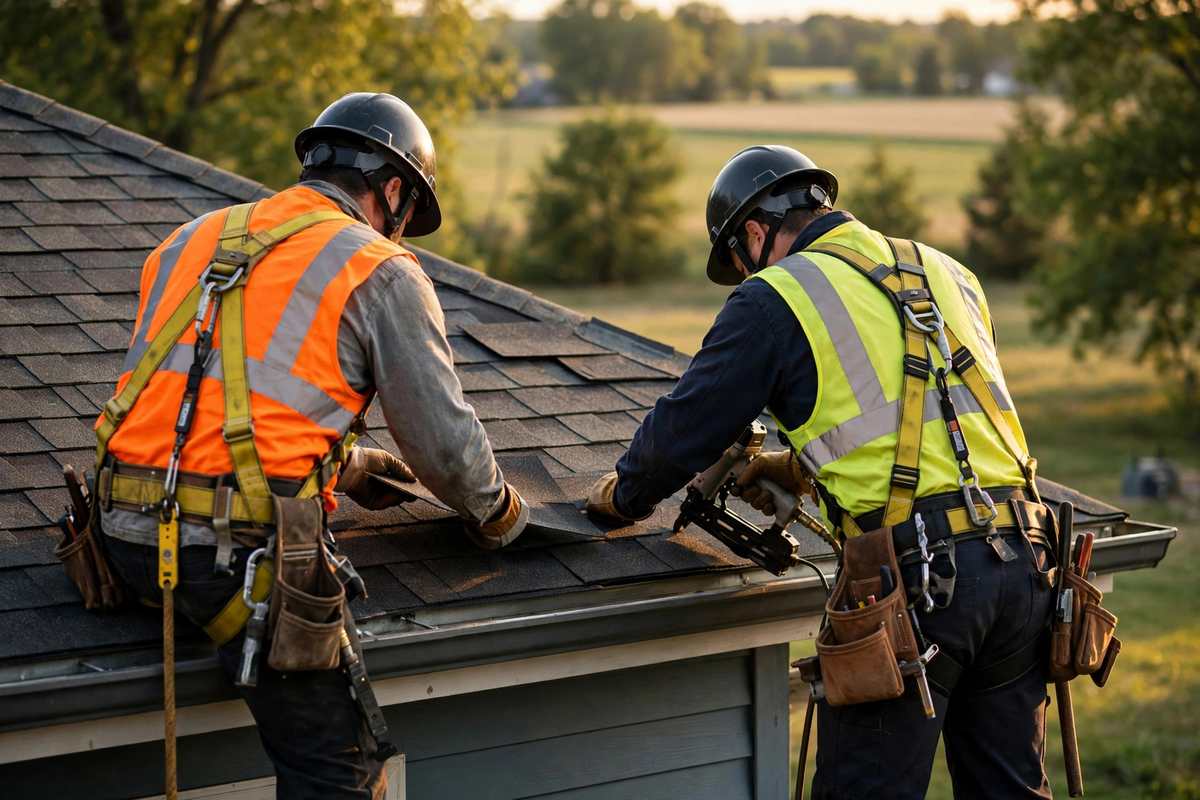
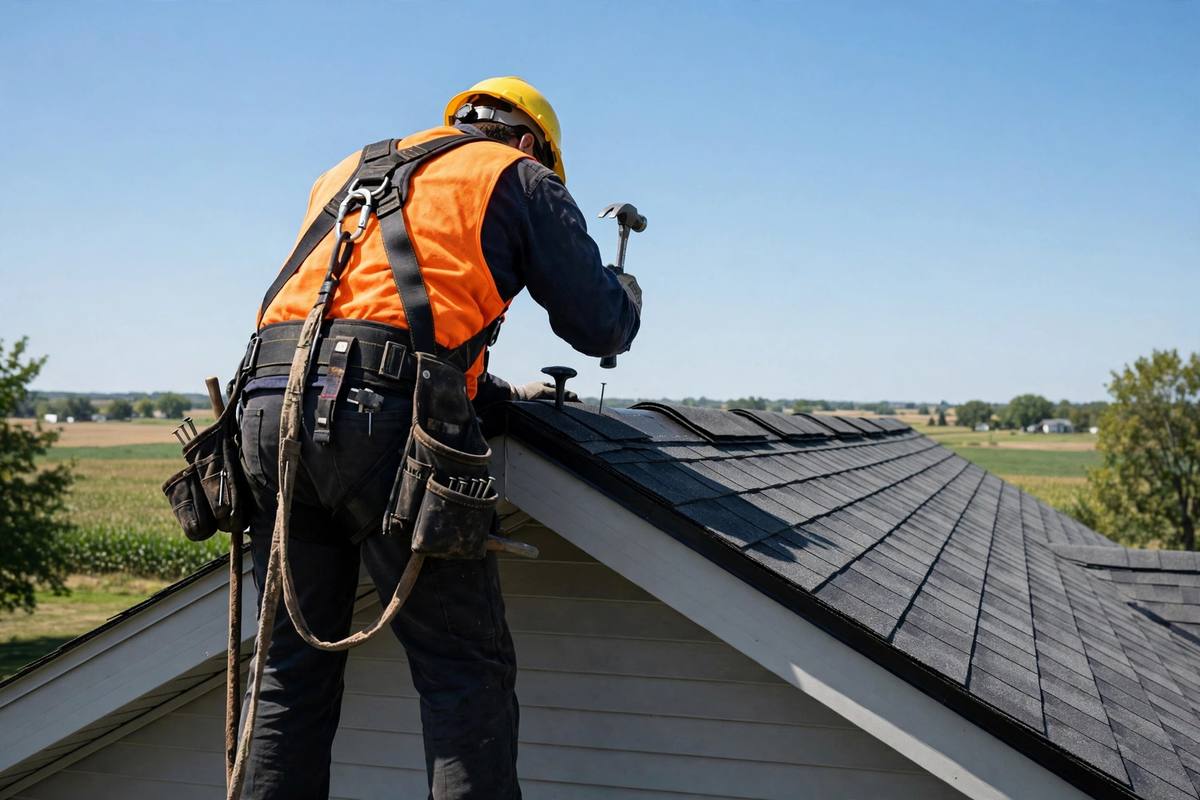
Intake openings are cut or cleared at the eaves, ridge venting goes in at the top, and baffles are fitted to keep the path open. Flashing and shingle courses are integrated with the roof.

Ask for the airflow path confirmed open from eave to ridge and insulation confirmed not to be blocking the intake openings. Ask for a final look at the attic before close-up.
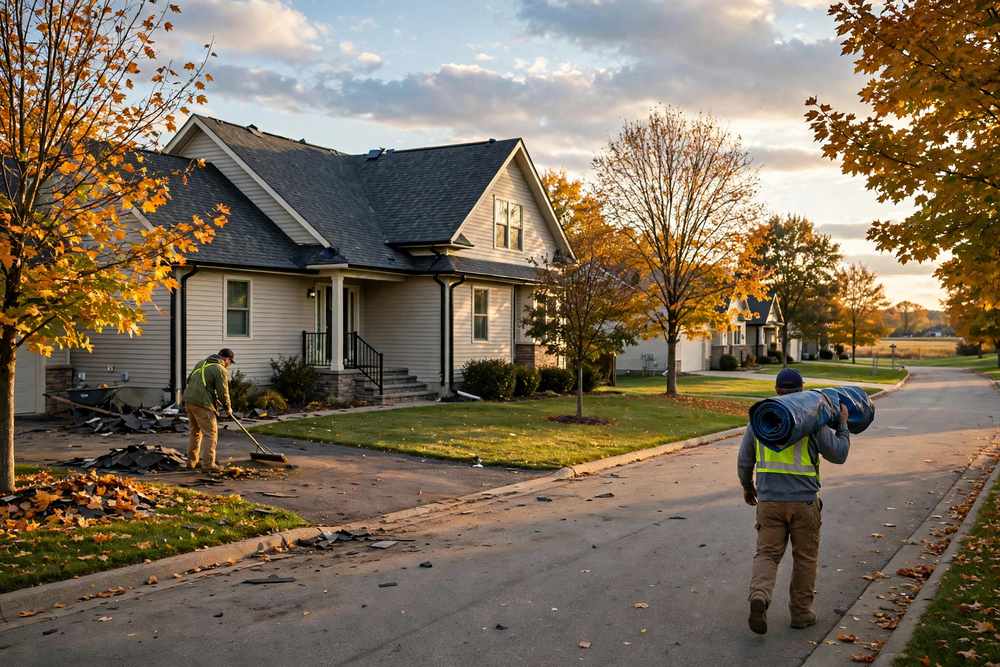
Ask for what was installed and what to watch for walked through: frost patterns in winter, upstairs temperatures in summer, and insulation condition over time.
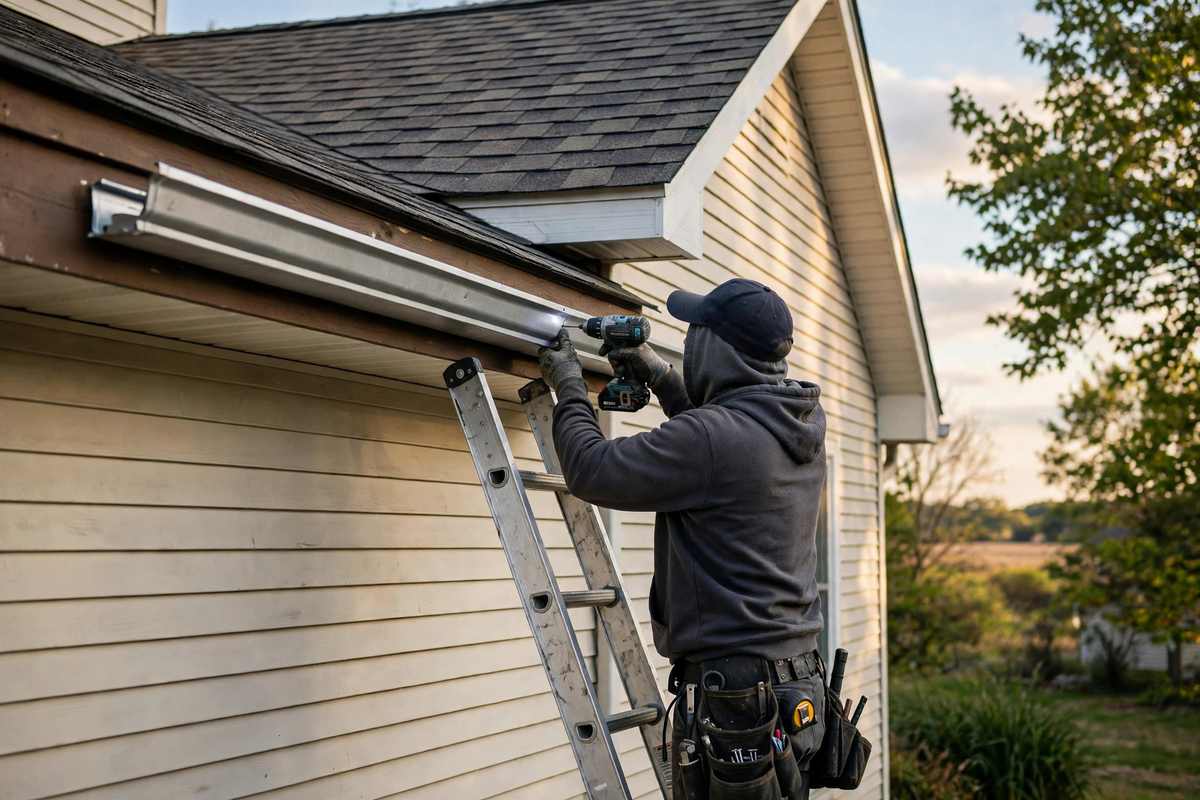
Shows warm and cold zones in the attic, revealing blocked airflow and moisture patterns.
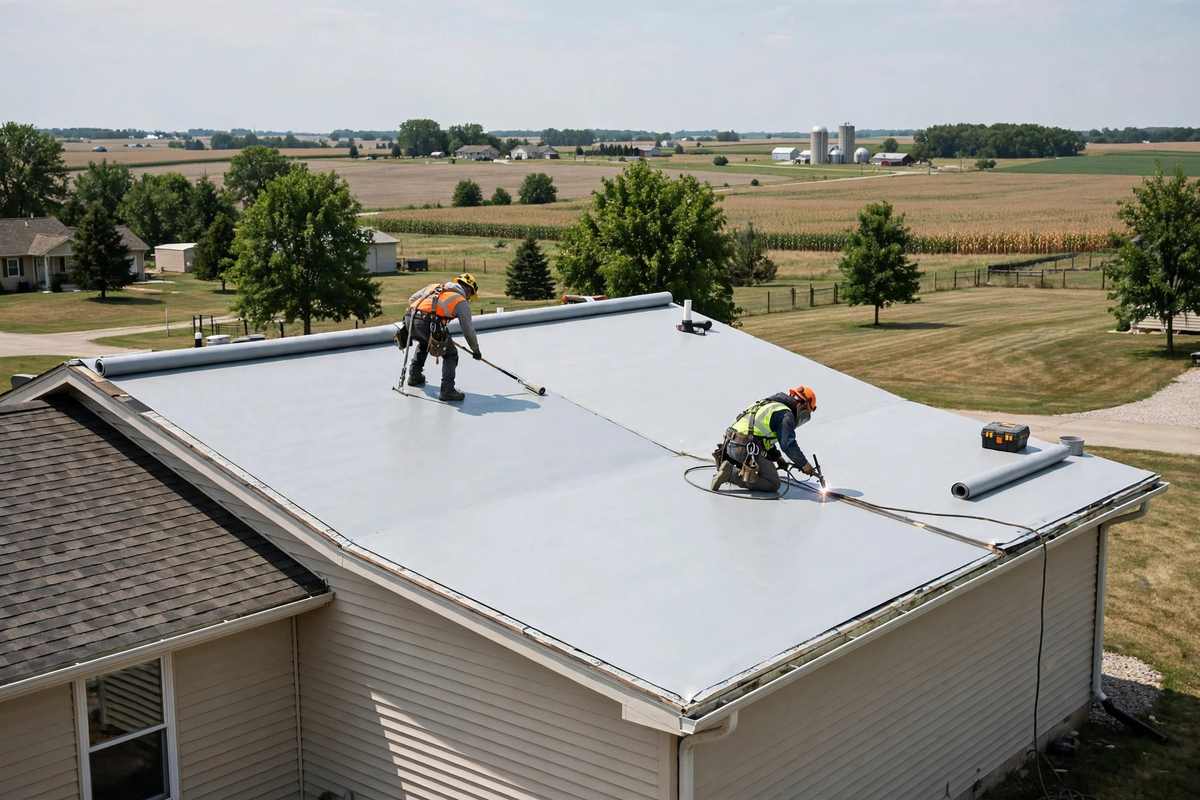
Reads moisture in decking and insulation, confirming where condensation has been collecting.
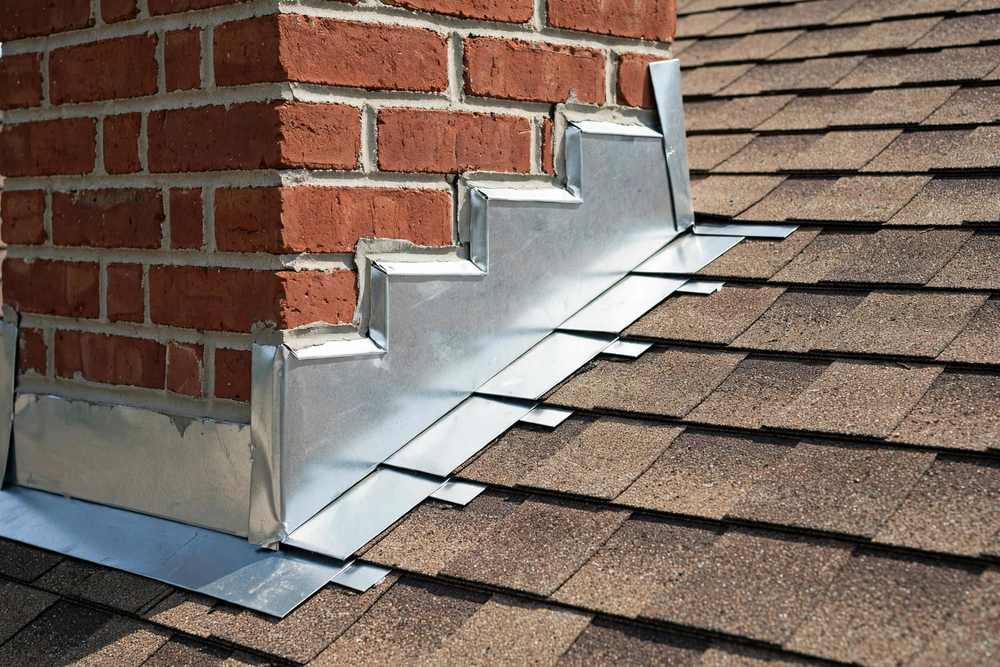
Cuts vent openings cleanly and sets shingles around new venting to the system pattern.
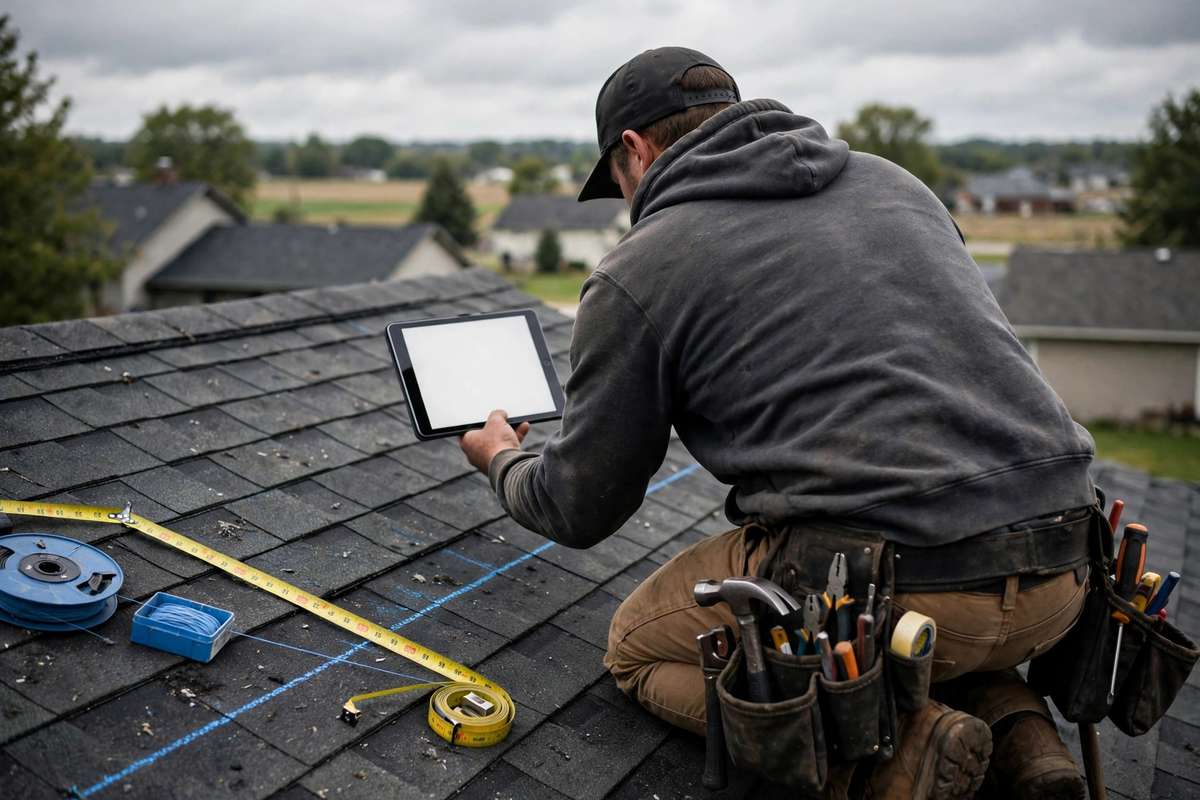
Opens existing venting and flashing cleanly for replacement without tearing up sound courses.

Marks straight vent lines and cuts flashing to fit new openings at ridges and eaves.
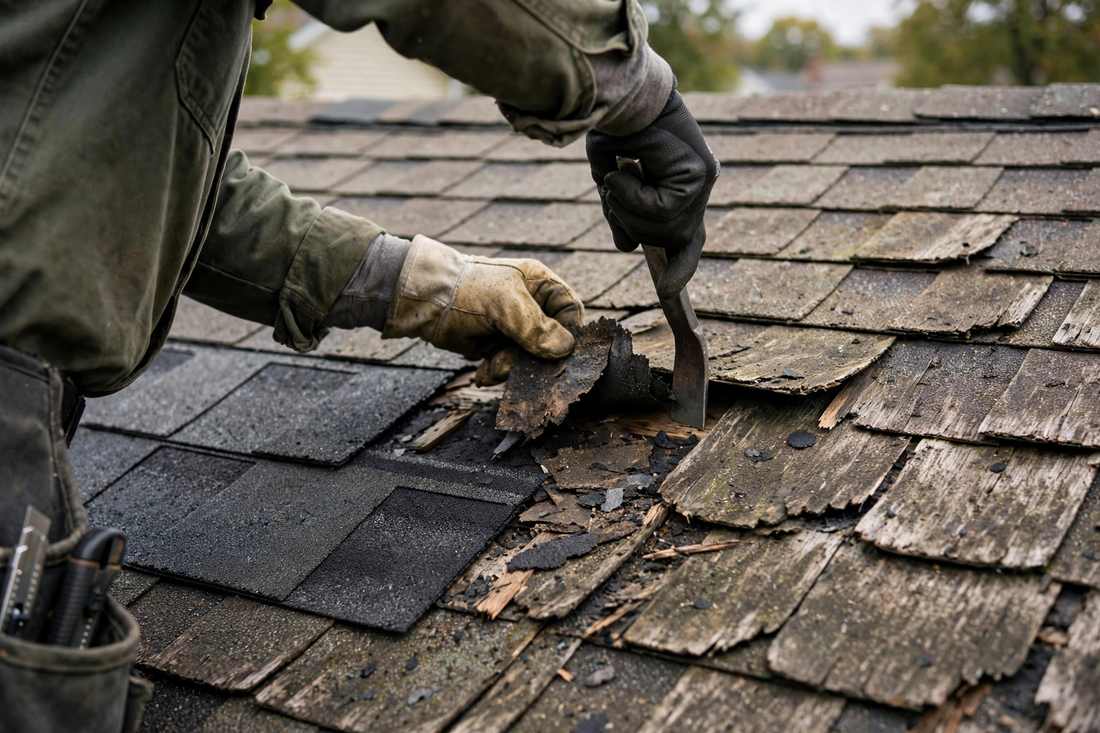
Safe access to steep pitches and two-story roofs for ridge vent installation.
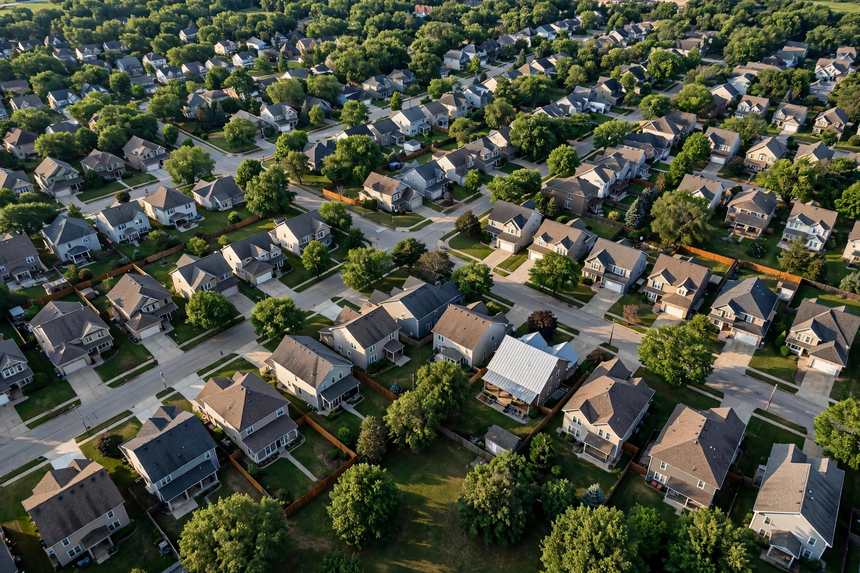
Intake and exhaust are sized to the attic so airflow is balanced rather than guessed.
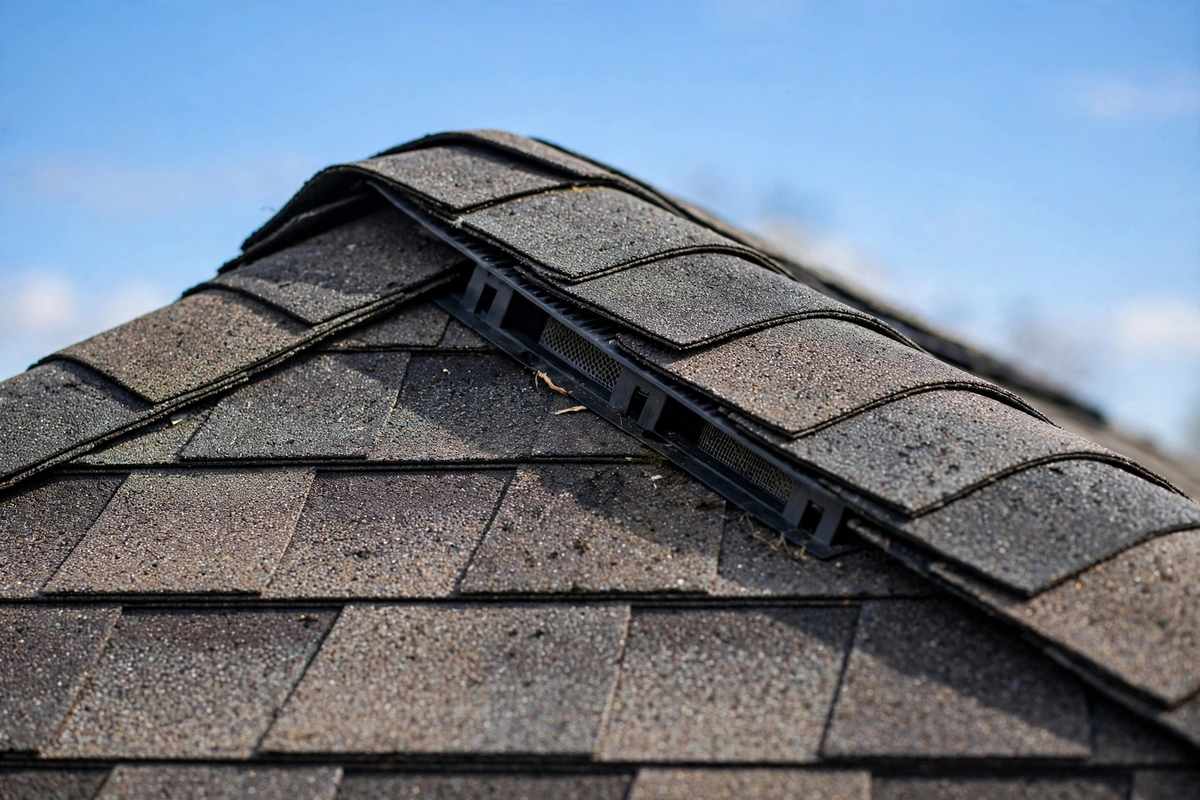
Matched intake and exhaust, with an open path between them, is what makes an attic breathe.
A 1920s bungalow has no ridge vent and soft decking near the eaves. An assessment of the attic leads to intake and ridge venting sized to the space, and baffles fitted to keep the path open. The attic starts breathing for the first time.
A newer home has an upstairs that never cools in summer. The inspection finds intake openings blocked by insulation. The path is cleared, baffles are fitted, and exhaust at the ridge is confirmed, so air moves through the attic instead of sitting in it.
A low-slope porch or garage roof traps heat in a shallow attic space. Low-profile venting is scoped, matched to the space, with intake and exhaust balanced for the shallow volume.
Frost on roof nails every winter means warm, moist air is reaching cold decking and condensing. Ventilation and insulation condition are assessed, the airflow path is scoped, and what is found is reported so the cause is addressed.
Attic problems follow the housing era. Older homes lack ridge vents, mid-century homes have blocked intakes, and every era faces the same Iowa extremes.
A 1920s bungalow attic has no ridge vent, soft decking near the eaves, and insulation pushed tight against the roof deck. Upstairs rooms stay hot all summer.
A typical scope adds intake openings at the eaves, ridge venting at the top, and baffles to keep the path open. The attic gets a complete airflow path for the first time.
After venting work, upstairs temperatures and winter frost patterns are worth watching across a full year of seasons.
A home shows frost on roof nails every winter, with damp insulation below. The attic has exhaust venting but almost no intake.
A typical scope adds intake openings to match the exhaust, fits baffles, and reports the insulation condition found. Balanced airflow, not more exhaust alone, addresses the frost.
Frost patterns across a winter tell you whether the airflow path is working. A look at the nails after the first cold snap is worth it.
A newer home has baffles installed backwards, blocking the intake path the vents were meant to serve. The upstairs never cools.
A typical scope corrects the baffle orientation, clears the intake path, and confirms exhaust at the ridge. The fix is airflow geometry, not new equipment.
Baffles only work when they hold the path open. A quick attic look after any insulation work confirms they are still in place.
Attic problems show inside the house before they show on the roof. Here is what each symptom points to.
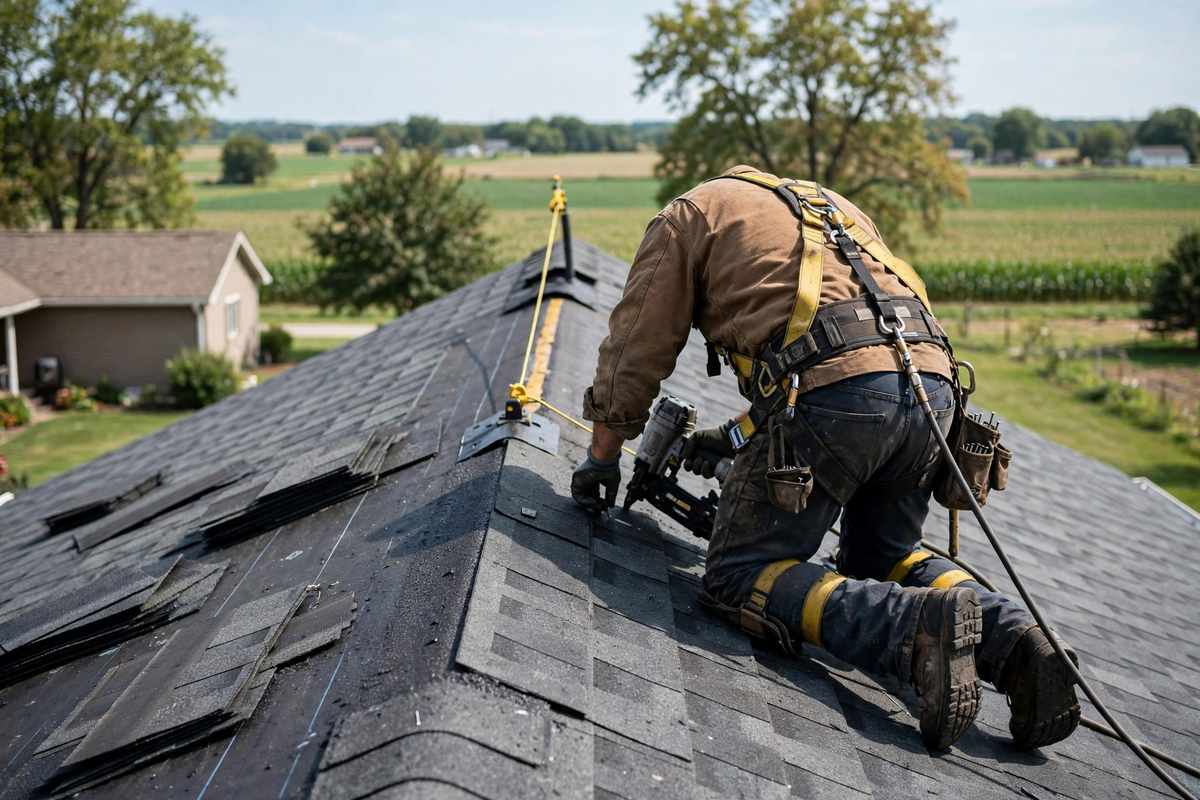
Trapped attic heat radiates into upstairs rooms. Intake, exhaust, and the path between them are checked, and the venting is scoped to move air through the attic.
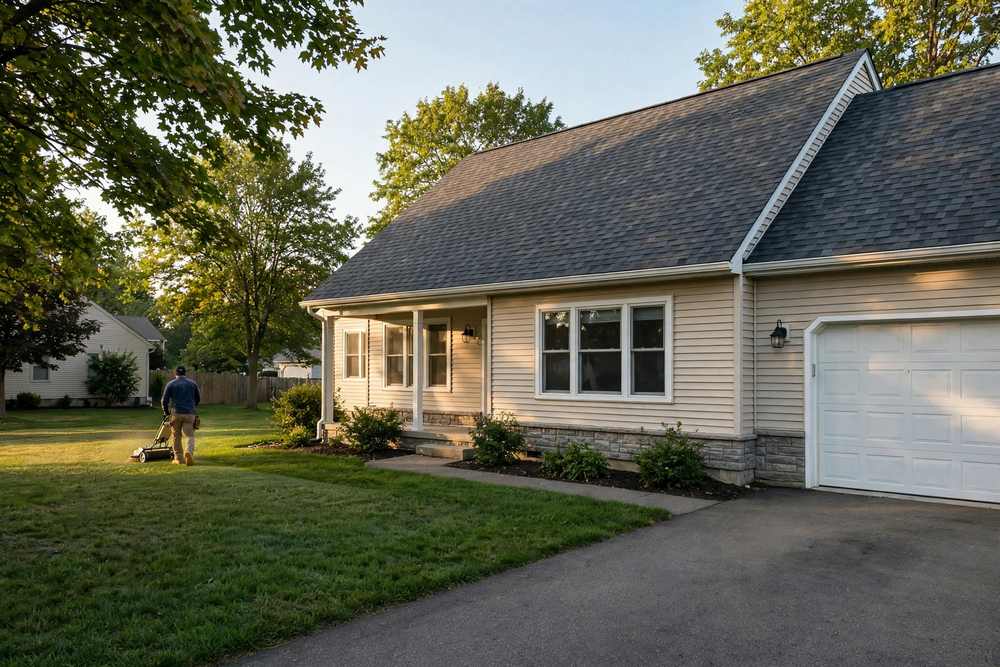
Warm, moist air condensing on cold decking leaves frost on nails and stains below. Ventilation and insulation condition are assessed and the airflow path is scoped.
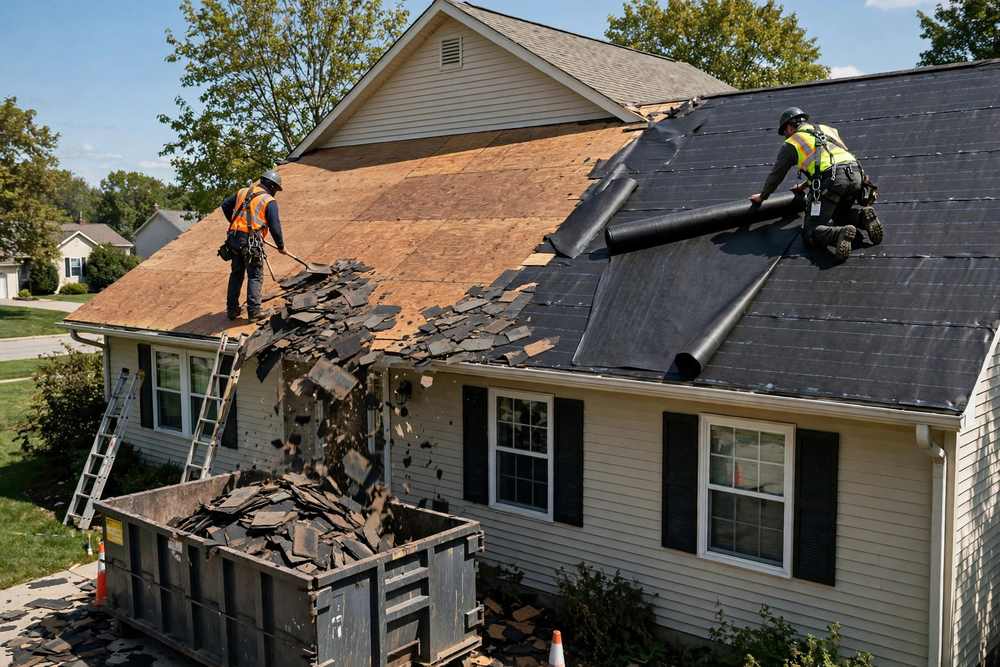
Heat from below cooks shingles and shortens their life. Balanced ventilation keeps the deck cooler and the shingles lasting longer.
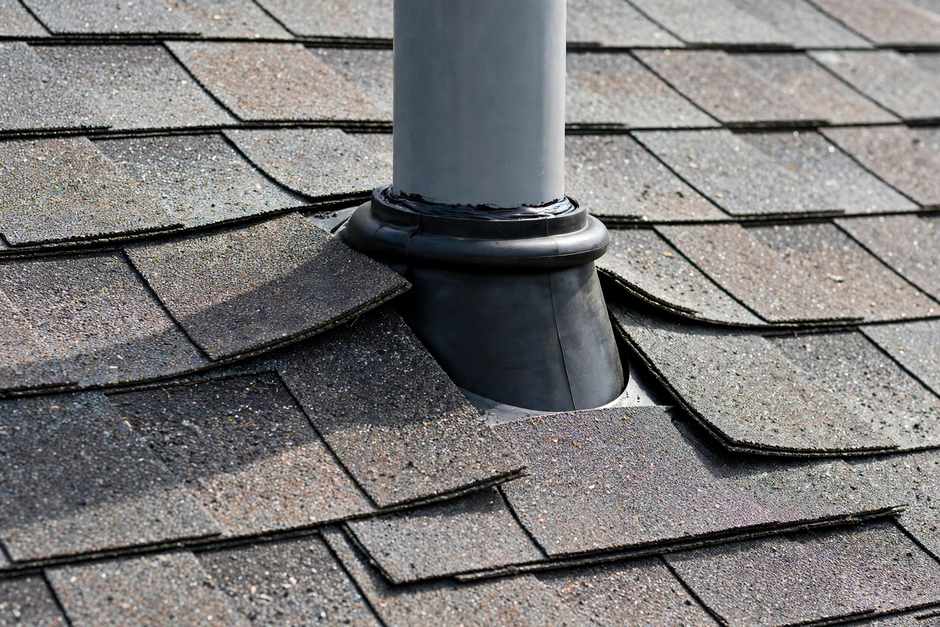
Warm attics melt snow mid-roof, which refreezes at the cold eaves. Ventilation that keeps the deck cold, paired with ice barrier at the eaves, reduces the conditions ice dams need.
Air moving through the attic carries summer heat out instead of letting it radiate into upstairs rooms. The difference shows on the hottest afternoons.
A cooler deck means shingles age at their intended pace instead of cooking from below. Ventilation protects the roof investment from underneath.
Moist air that leaves through the ridge does not condense on cold decking. Less condensation means drier insulation and decking through winter.
A cold deck keeps snow frozen until it melts evenly, instead of melting mid-roof and refreezing at the eaves. Ventilation is one part of ice dam prevention, with ice barrier at the eaves.
Records worth asking for, to keep and share.
Ask for openings, venting, and baffles listed before work
Ask for attic conditions documented
Ask for a note on what to watch across the seasons
Ventilation is a path, not a product. All three parts have to be present and matched for air to move.
Outside air enters low, at the eaves. Without intake, exhaust vents pull air from inside the house instead of through the attic.
Warm, moist air leaves at the top, through ridge venting. Exhaust without intake starves the path.
Insulation tends to slump into the eave openings and block them. Baffles hold the path open so intake air can reach the attic.
Questions about an address in Des Moines? Call (515) 385-2566 and ask.
The price depends on the size of the attic, the current intake and exhaust, the roof layout, and whether baffles or vent openings are needed. Ask for an attic assessment and a written scope with the price before work starts.
Ventilation moves air through the attic, carrying out heat in summer and moisture in winter. Poor ventilation cooks shingles from below, feeds frost on the underside of the deck, and sets up ice dams at the eaves. Balanced intake and exhaust sized to the attic address all three.
Signs of poor ventilation include upstairs rooms that stay hot, frost on roof nails in winter, damp insulation, and shingles curling early. An attic assessment checks intake openings, exhaust openings, and whether air can move between them.
Ventilation reduces ice dam risk by keeping the roof deck cold, so snow does not melt mid-roof and refreeze at the eaves. It works with ice barrier at the eaves and a sealed attic floor. No single measure removes ice dam risk on its own.
Call ZT Contracting LLC at (515) 385-2566 to arrange an attic assessment, and ask for intake, exhaust, and the airflow path checked, and the venting scoped in writing.
Call (515) 385-2566, Monday through Saturday, 8 AM to 6 PM, to arrange a time to look at your roof. We are closed on Sundays.