Repair TipsLocal Guides
Why is my roof making popping noises in the wind in Des Moines
Popping noises from a roof in Des Moines wind usually trace to materials expanding and contracting or components moving under wind pressure.
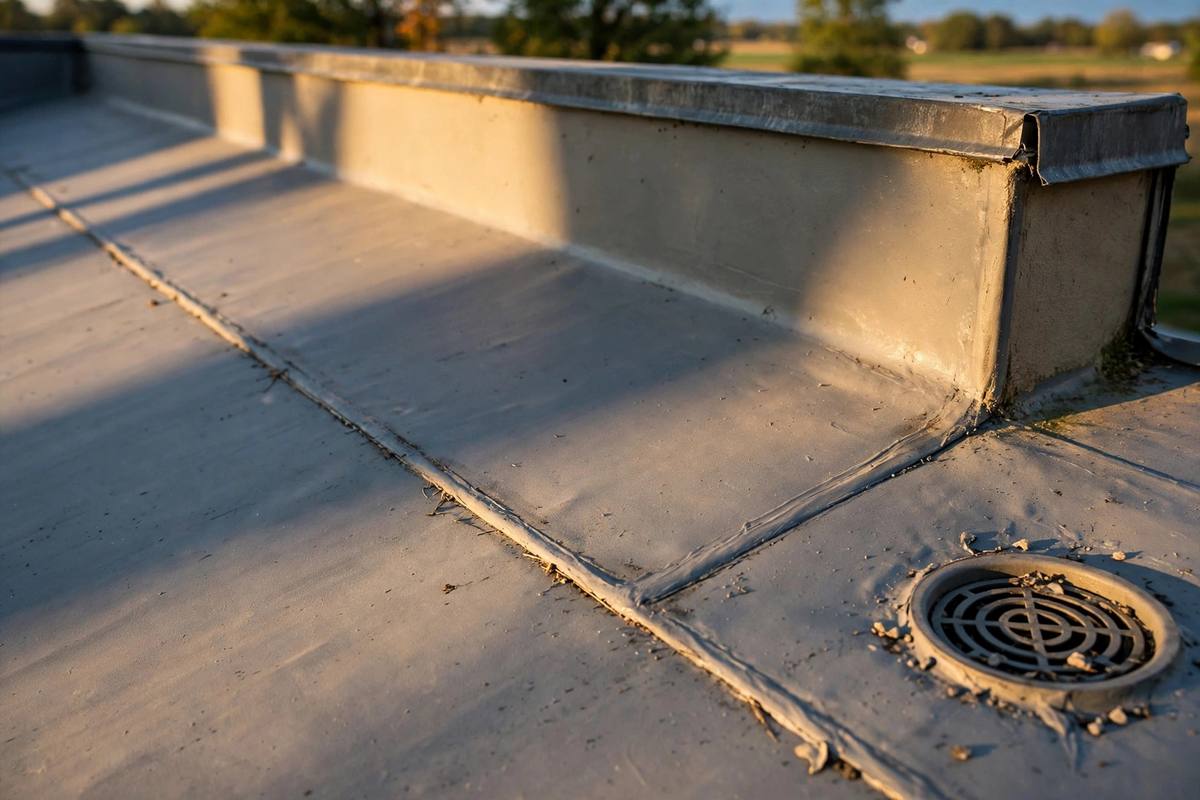
What causes roof popping sounds in Des Moines wind
A roof making popping noises in the wind in Des Moines usually traces to one of six causes, and several of them overlap. Materials expand and contract with temperature, fasteners work loose over time, and wind pressure moves anything that is no longer held firmly. The list below explains each cause in turn.
Thermal expansion and contraction
Roofing materials, decking, and framing expand as they warm and contract as they cool, and the movement can release with an audible pop, especially when temperatures swing quickly between day and night or when sun hits a cold roof in the morning.
Loose or backed-out fasteners
Nails and screws work loose over years of thermal movement and wind loading. A fastener that has backed out lets a shingle, panel, or trim piece move slightly under wind pressure, and the movement pops as it shifts and settles.
Shingle tabs lifting in the wind
Shingle tabs that have lost their seal lift in gusts and slap back down, producing a popping or flapping sound. Aged shingles, shingles past their seal life, and shingles loosened by a previous storm lift most readily.
Loose flashing and trim
Flashing at chimneys, valleys, and edges, along with drip edge and ridge trim, can work loose and flex in the wind. The sound is often localized to one edge or one penetration, and it changes with wind direction.
Gutter and soffit movement
Gutters, downspouts, and soffit panels move under wind pressure when hangers loosen or joints open. The sound reads as roof noise because it comes from the roof edge, but the source sits below the roofline.
Decking movement
Decking panels can flex and pop where fastening has loosened or where panels meet, especially under gusty wind that loads and unloads the roof surface repeatedly. Decking movement is less common than the causes above, and it warrants an inspection when it is suspected.
Is roof popping normal in Des Moines Iowa?
Occasional popping that tracks temperature swings, appears at the same times of day, and comes with no visible damage is often thermal movement, and it is common on residential roofs. The sound alone does not diagnose the roof either way.
Popping that is new, loud, persistent through calm weather, or paired with visible damage deserves an inspection. New noise after a storm, noise concentrated at one edge or penetration, and noise accompanied by leaks or stains all point away from normal thermal movement and toward a component that has worked loose or failed.
How Des Moines weather makes roof noise worse
Des Moines weather loads roofs in ways that produce noise. The City's design criteria include a 115 mph wind speed and a 0°F winter design temperature, and the swing between summer heat and winter cold works every fastener and joint through expansion and contraction year after year. Freeze-thaw cycles add movement in winter, when materials are least flexible.
Storms add their own load. Hail season runs April through September, and wind events through the year loosen shingles, flashing, and trim that then move in ordinary wind. A roof that was quiet before a storm and noisy after it has usually lost something in the storm, and the noise marks where to look.
When roof popping is a sign of damage
Popping points to damage when it arrives with other signs: shingles visibly lifted or missing, flashing bent or displaced, gutters pulling away, or stains and drips inside. Noise that follows a storm, grows louder over weeks, or concentrates where wind hits hardest is more likely to mark damage than noise that has sounded the same for years.
A storm damage roof repair assessment after a wind event looks at the shingles, flashing, and vents together, since wind damage rarely affects one component alone. The assessment separates a loose trim piece from a failing section, and it does so from the roof surface rather than from the sound.
What to do about roof popping sounds in Des Moines IA
Start by observing: when the noise happens, which direction the wind comes from, whether it tracks temperature changes, and whether anything visible has changed at the roof edge. Note the pattern over a few days, and check from the ground for lifted shingles, loose flashing, and gutter movement.
Then arrange an inspection. Identifying the source means checking fasteners, shingles, flashing, vents, and decking on the roof surface, which is roofer work, not a ladder job for a homeowner. A roof inspection finds the component that is moving and sets out whether it needs refastening, repair, or replacement.
Common mistakes homeowners make with roof noise
The mistakes below either miss damage or add risk to the search for it.
- Ignoring new noise after a storm - new popping after wind or hail usually marks something the storm loosened.
- Climbing up to investigate - the source is often a loose component on a sloped surface, which is a fall hazard.
- Assuming noise is always harmless - thermal popping is common, but persistent or localized noise deserves a look.
- Assuming noise always means major damage - a loose trim piece and a failing section sound similar from inside; only an inspection separates them.
When to call a professional
Call a roofer when popping is new, persistent, localized, or paired with visible damage or leaks. An inspection checks the shingles, fasteners, flashing, vents, and decking that most often cause the sound. Call ZT Contracting LLC at (515) 385-2566 to arrange a roof inspection in Des Moines.
Frequently Asked Questions
Why is my roof making popping noises in the wind in Des Moines IA?
Usually thermal expansion and contraction, loose fasteners, lifting shingle tabs, loose flashing or trim, gutter and soffit movement, or decking movement. Several causes often overlap, and an inspection identifies which one applies.
Is roof popping a sign of damage in Des Moines Iowa?
Sometimes. Occasional popping that tracks temperature swings is often normal thermal movement. New, loud, persistent, or localized popping, especially after a storm or with visible damage, deserves an inspection.
What should I do about roof popping sounds in Des Moines IA?
Observe the pattern: timing, wind direction, and any visible change at the roof edge. Then arrange an inspection, since identifying the source means checking fasteners, shingles, flashing, and decking on the roof surface.
Can wind damage cause roof popping in Des Moines Iowa?
Yes. Wind loosens shingles, flashing, and trim, and the loosened components then move and pop in ordinary wind. A roof that was quiet before a storm and noisy after it has usually lost something in the storm.
Can a roof inspection find the cause of popping noises?
An inspection checks the shingles, fasteners, flashing, vents, gutters, and decking that most often cause popping sounds, and separates a loose trim piece from a failing section.
Get help with roofing in Des Moines
Roof noise is a symptom with several causes, and the cause decides the response. Call ZT Contracting LLC at (515) 385-2566 to arrange an inspection and find what is moving on your Des Moines roof.