Repair TipsLocal Guides
Why are my shingles curling and cracking in Des Moines
Curling and cracking shingles in Des Moines usually trace back to age, freeze-thaw stress, and heat building up under the roof.
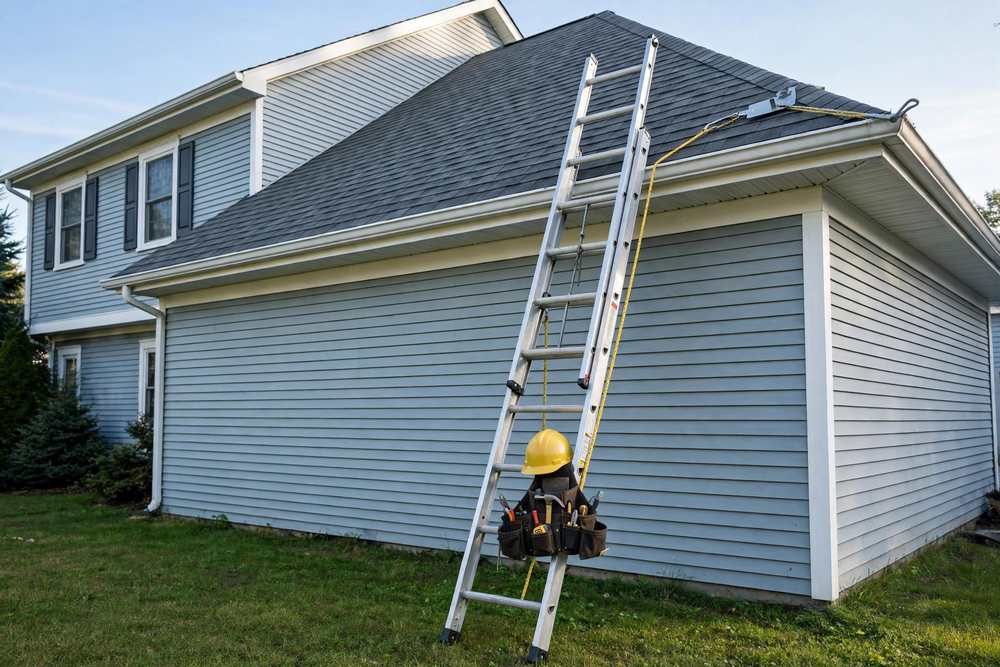
The short answer: why shingles curl and crack here
Shingles curling and cracking in Des Moines usually trace to three causes working together: age, freeze-thaw stress, and heat building up in the attic. Curling means the shingle is losing its shape and adhesion, lifting at the edges or cupping in the middle. Cracking means the mat underneath is breaking down. Both let water reach the layers below, and both get worse through winter.
Curling and cracking on a few shingles is a repair question. The same signs spread across slopes is a replacement question. The sections below explain each cause and how the two questions are separated.
Freeze-thaw cycles stress aging shingles in Des Moines
Freeze-thaw cycles expand and contract shingles repeatedly through a Des Moines winter, and the movement works on the sealant strips and the mat. Shingles are less flexible in cold weather, so the same movement that a warm shingle absorbs can crack a cold one. Snow sitting on the roof adds load through each cycle, and the city averages 36.5 inches of snow (NOAA 1991-2020).
Freeze-thaw stress falls hardest on shingles that are already aging. Granule loss exposes the mat to sun and weather, the mat dries and stiffens, and the next winter's cycles open cracks that summer rain then finds. Newer shingles with intact granules ride out the same winter with less visible change.
Attic heat and poor ventilation cook shingles from below
Heat and moisture building up in the attic age shingles from underneath. Warm attic air dries the shingle from below, weakens adhesion, and feeds the ice-dam pattern in winter, when escaping heat melts roof snow that refreezes at the eaves. Poor ventilation holds that heat and moisture in place instead of moving it out.
The fix is systemic: air sealing the ceiling plane, adequate attic insulation, and balanced ventilation working together. This guide gives information only on insulation, and states no single insulation target, since levels vary with the house and the applicable code. Attic ventilation service and insulation information can be discussed during an inspection, and ventilation problems found during a roof inspection should be addressed alongside the shingles, or the new shingles will age the same way.
Age, granule loss, and what lifespan guides say
Third-party lifespan guides give three-tab asphalt shingles 15 to 20 years and architectural asphalt shingles 20 to 30 years. Those spans are guide figures, not promises about any particular roof. A shingle roof in the later part of its guide span will show granule loss, curling, and cracking as normal wear, and the question becomes how much useful life remains rather than whether wear exists.
Granule loss is the visible marker. Granules protect the mat from sun and weather, and as they wash into gutters and downspouts, the exposed mat dries, stiffens, and cracks. Heavy granule accumulation at downspout outlets, bare patches on the slope, and shingles that feel brittle all point the same direction: the roof is aging, and the remaining life is shortening.
Storm damage: hail, wind, and insurance questions
Hail and wind worsen shingles that are already curling and cracking. Hail bruises the mat where granules are already thin, and wind lifts curled edges that have lost their seal. A storm can turn gradual wear into active leaking in one event, which is why curled shingles deserve attention before hail season runs April through September.
Whether insurance covers storm-worsened shingles depends on the policy and the cause. Sudden storm damage is typically addressed by homeowner policies, while gradual wear and age are commonly excluded, and the line between the two is decided by the policy language and the insurer's assessment. No outcome can be promised in advance. A storm damage roof repair assessment documents the roof's condition after a storm, and the claim itself stays between the homeowner and the insurer.
Can curling shingles be repaired, or do you need a new roof?
Isolated curling on a younger roof can often be repaired by replacing the affected shingles and checking the flashing and ventilation around them. The repair holds when the surrounding shingles are still flexible, the decking is sound, and the cause, whether ventilation or a localized defect, is addressed with the repair.
Widespread curling and cracking across slopes, especially on a roof in the later part of its guide lifespan, usually points to roof replacement. Repairs on brittle, aged shingles can add damage to the surrounding roof, and matching new shingles to aged ones leaves a visible gap. A roofer weighs the extent, the age, and the decking together during the assessment and sets out which path fits.
What to watch out for: common mistakes homeowners make
The mistakes below let curling shingles become leaks.
- Ignoring early curling - curled edges lift further with each wind event and admit water with each rain.
- Covering the signs without addressing the cause - surface fixes over curled shingles leave the ventilation and aging problems in place.
- Waiting through another winter - freeze-thaw cycles widen cracks and lift curled edges further.
- Assuming coverage for wear - gradual wear is commonly excluded from homeowner policies; check the policy rather than assuming.
- Climbing up to press shingles flat - brittle shingles crack underfoot, and wet roofs are a fall hazard.
When to call a professional
Call a roofer when curling or cracking spreads beyond a few shingles, when granule loss is heavy, or when leaks appear. An inspection looks at the shingles, the attic, and the ventilation together, since the cause often sits below the surface. Call ZT Contracting LLC at (515) 385-2566 to arrange a roof inspection in Des Moines.
Frequently Asked Questions
Why are my shingles curling and cracking in Des Moines IA?
Age, freeze-thaw stress, and attic heat working together. Shingles lose granules, dry out, and stiffen, and winter cycles open cracks while heat from below weakens adhesion.
Do curling shingles mean I need a new roof in Des Moines Iowa?
Not always. Isolated curling on a younger roof can often be repaired. Widespread curling and cracking on an older roof usually points to replacement. An inspection weighs extent, age, and decking condition.
Can curling shingles be repaired in Des Moines IA?
Isolated curling can often be repaired by replacing the affected shingles and addressing the cause. Repairs hold when surrounding shingles are still flexible and the decking is sound.
How long do shingles last in Des Moines Iowa?
Third-party guides give three-tab shingles 15 to 20 years and architectural shingles 20 to 30 years. Those spans are guide figures, not promises about any particular roof.
Will insurance cover curling shingles in Des Moines?
It depends on the policy and the cause. Sudden storm damage is typically addressed, while gradual wear and age are commonly excluded. Check the policy language and ask the insurer; no outcome can be promised in advance.
Get help with roofing in Des Moines
Curling shingles are the roof asking for attention while repair is still an option. Call ZT Contracting LLC at (515) 385-2566 to arrange an inspection of your Des Moines roof.