Roofing TipsLocal Guides
How to prepare your roof for winter in Des Moines
Preparing your roof for winter in Des Moines means a fall inspection, attention to the attic, and drainage that can handle snowmelt before the first hard freeze.
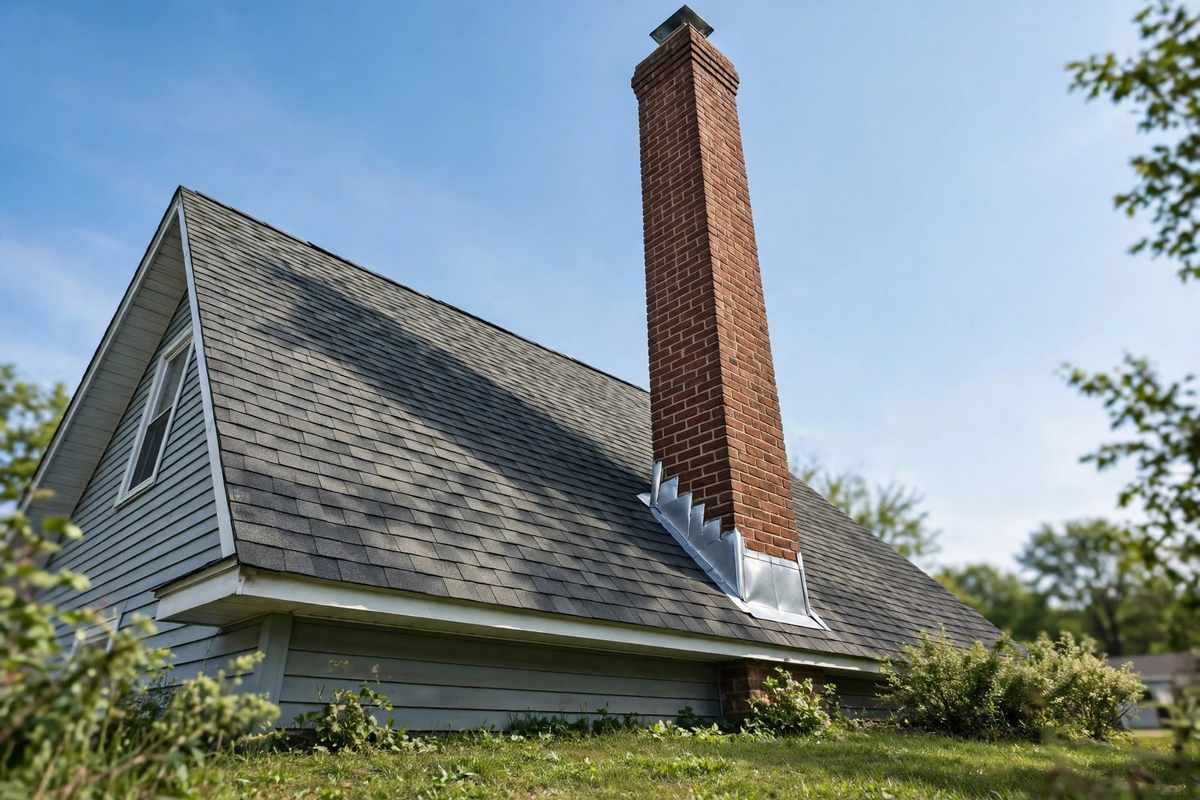
Why Des Moines winters are hard on roofs
Preparing a roof for winter in Des Moines starts with what winter does to it: snow load, freeze-thaw cycles, and ice dams. The city averages 36.5 inches of snow (NOAA 1991-2020), the City's design criteria include a 33 psf ground snow load and a 0°F winter design temperature, and the ice-dam season runs December through March. A roof that sheds summer rain without trouble can still struggle when snow sits, melts, and refreezes at the eaves.
Fall is the season to prepare. September through November is the window for inspection and repairs, before snow and ice make roof work harder and before the first hard freeze locks in whatever condition the roof is in. The checks below cover what to look at and what to arrange when you prepare your roof for winter in Des Moines.
When to arrange a fall roof inspection in Des Moines
Arrange a fall roof inspection in September, October, or early November, while repairs can still be scheduled ahead of winter. An inspection looks at shingles, flashing, vents, and attic signs, and it identifies the small problems that winter makes larger: a lifted shingle, a cracked vent boot, or flashing that has worked loose.
If the roof is older, has leaked before, or took hail during the spring and summer season, fall inspection matters more, not less. Hail season runs April through September, and damage from a summer storm can sit unnoticed until the first snowmelt finds it.
Your fall roof inspection checklist for Des Moines
Use this checklist from safe positions, and leave roof-surface work to a roofer.
- Shingles from the ground - note missing, lifted, curled, or cracked shingles and any bare patches where granules are gone.
- Flashing and vents - look for loose or damaged flashing at chimneys, valleys, and vents, and for cracked vent boots.
- Attic signs - check for stains on decking, damp insulation, and daylight through gaps.
- Gutters and downspouts - confirm they carry water away from the roof edge and the foundation, and note sagging sections or disconnected joints.
- Overhanging branches - note limbs touching or hanging over the roof, which drop debris and add weight when snow-loaded.
- Interior ceilings - note any new stains, which mark water paths worth tracing before winter.
Anything on this list that looks wrong is a reason to arrange an inspection, not a reason to climb up. A roofer can check the roof surface, the flashing, and the attic together and set out the repair options.
How do you prevent ice dams on a Des Moines roof?
Ice dams form when heat escaping into the attic melts roof snow, and the meltwater refreezes at the colder eaves, building a ridge that traps more water behind it. Prevention addresses the heat loss: air sealing the ceiling plane, adequate attic insulation, and balanced ventilation that keeps the roof deck closer to the outdoor temperature. Insulation and ventilation work as a system with air sealing; any one of them alone does less.
This guide gives information only on insulation: levels and targets vary with the house and the applicable code, and no single target is stated here. Attic ventilation service and insulation information can be discussed during an inspection, and the ice dam guide on this site explains the full prevention picture.
Do gutters and downspouts matter for winter roof problems?
Gutters and downspouts matter because they carry meltwater away from the roof edge. When water cannot drain, it pools, adds weight, and finds paths under shingles and behind fascia. Sagging sections, disconnected joints, and downspouts that discharge against the foundation all show up as winter problems even though the cause sits below the roofline.
Gutter installation, repair, guards, and downspouts are part of the roofing system, and their condition is worth checking during a fall inspection. Guards reduce debris entry, and sound installation keeps water moving. What matters for winter is drainage that works: water leaving the roof edge and moving away from the house.
Common mistakes homeowners make before winter
The mistakes below are easy to make in a busy fall, and winter charges for all of them.
- Waiting until the first snow - repairs get harder to schedule once winter arrives.
- Ignoring a small leak - freeze-thaw cycles widen small entries through the winter.
- Assuming a newer roof needs no check - flashing and vents fail independently of shingle age.
- Climbing onto an icy or snow-covered roof - a fall hazard; leave roof-surface checks to a roofer.
- Treating icicles as decoration - heavy icicles and ice at the eaves signal the heat-loss pattern behind ice dams.
When to call a professional
Call a roofer when the fall checklist turns up damage, when the roof has leaked before, or when ice dams appeared last winter. An inspection before the first hard freeze gives time to address what it finds. Call ZT Contracting LLC at (515) 385-2566 to arrange a fall roof inspection in Des Moines.
Frequently Asked Questions
How do I prepare my roof for winter in Des Moines IA?
Arrange a fall inspection in September through November, check shingles, flashing, vents, and attic signs from safe positions, confirm gutters and downspouts drain, and address ice dam prevention through attic air sealing, insulation, and ventilation.
When should I arrange a fall roof inspection in Des Moines Iowa?
September, October, or early November, while repairs can still be scheduled ahead of winter. Roofs that are older, have leaked before, or took hail during the summer season benefit most from a fall check.
How do I prevent ice dams in Des Moines IA?
Prevention addresses attic heat loss: air sealing the ceiling plane, adequate insulation, and balanced ventilation that keeps the roof deck closer to outdoor temperature. The three work as a system.
Do gutters and downspouts affect winter roof problems in Des Moines Iowa?
Yes. Gutters and downspouts carry meltwater away from the roof edge, and drainage that fails lets water pool and find paths under shingles. Their condition is worth checking during a fall inspection.
What should a fall roof inspection cover in Des Moines?
Shingles, flashing, vents, and attic signs, plus gutter and downspout drainage and any interior ceiling stains. The inspection identifies small problems that winter makes larger.
Get help with roofing in Des Moines
Winter finds the weak points in a roof. A fall inspection finds them first. Call ZT Contracting LLC at (515) 385-2566 to arrange a fall roof inspection in Des Moines.