Repair TipsLocal Guides
How to find a roof leak in Des Moines and assess the signs
Finding a roof leak in Des Moines means reading the signs inside and outside the house, then having a roofer trace the water path.
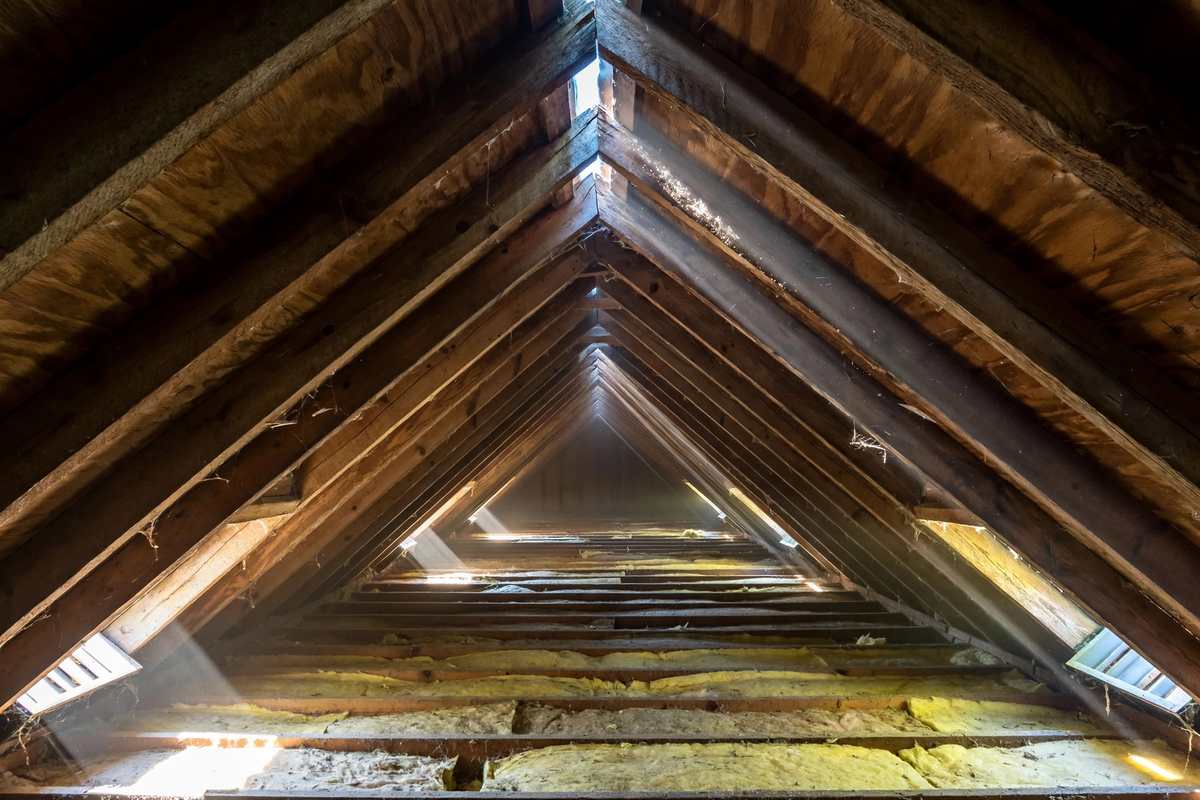
Why roof leaks in Des Moines are tricky to trace
A roof leak in Des Moines rarely starts where the stain appears. Water enters at one point, travels along decking, rafters, or underlayment, and shows up on a ceiling some distance away. Wind direction, roof pitch, and the path of least resistance all shape where the water finally appears, which is why the stain is a clue rather than a diagnosis.
Common entry points include flashing around chimneys, vents, and valleys, damaged or missing shingles, and worn vent boots. Ice dams add a winter path: meltwater trapped behind ice at the eaves backs up under shingles and enters where summer rain never reaches. Sorting out which path applies takes observation inside and outside, followed by a roofer's assessment.
How do I find a roof leak in Des Moines IA?
Finding a roof leak in Des Moines starts with careful observation from safe positions: inside the living space, in the attic, and from the ground outside. The goal is to gather signs a roofer can use, not to climb onto the roof or open up the roof surface.
Step 1: Map the stain
Note exactly where the stain or drip appears, photograph it, and record when it shows up: during rain, after rain stops, only in wind-driven rain, or only during thaw. The timing pattern helps separate a roof-surface entry from a flashing or ice-dam path.
Step 2: Look in the attic for signs
From the attic floor, look for damp insulation, stained decking, daylight through gaps, and water paths on rafters, using a flashlight and watching your footing. Note what you see and where, and avoid disturbing insulation or wiring. If the attic is difficult to access or the signs are unclear, leave the closer look to a roofer.
Step 3: Note what you can see from the ground
From the ground, with binoculars if helpful, note missing, lifted, or curled shingles, damaged flashing, and anything that changed after the last storm. Do not climb onto the roof: wet shingles are a fall hazard, and walking the roof can add damage. A leak detection and repair assessment traces the water path from these signs to the entry point.
Why interior fixes do not solve a roof leak
Buckets, towels, and containers manage water that has already entered, and they are the right first response to an active drip. They do not fix the leak. The entry point is on the roof surface or at a flashing joint, and water will keep finding it until the roof itself is addressed.
Sealants applied from inside the attic or over a ceiling stain cover the symptom while water continues to travel through the structure, where it can reach decking, insulation, and framing. Assessment and repair belong on the roof, carried out by a roofer who can find the entry point and address it at the source. Homeowner effort belongs on observation, containment, and a prompt call.
What affects the scope of a roof leak repair
The scope of a leak repair depends on the source and on what the water reached. A failed vent boot and a failed chimney flashing are different jobs, and either can grow in scope if decking or insulation stayed wet. Where the chimney crown or brickwork is the source rather than the flashing, that work belongs to a mason rather than a roofer. Accessibility, roof pitch, the age of the surrounding shingles, and whether the leak ran for one storm or a full season all shape the work.
Because scope varies this much, no single figure describes leak repair. Dated third-party market ranges for leak and flashing work, with sources and conflicts shown, are gathered in the roof replacement cost guide on this site. Those are market figures, not ZT Contracting LLC prices.
Common mistakes to avoid
The mistakes below turn small leaks into larger repairs.
- Waiting for the next dry spell - water keeps traveling between storms, and a small stain can hide a larger wet area.
- Assuming the stain marks the entry - the entry point is often upslope or to one side of where water appears.
- Climbing onto a wet roof - a fall hazard that can also damage shingles.
- Sealing over the stain - covers the sign while the leak continues.
- Ignoring attic signs - damp insulation and stained decking show the water path before ceilings do.
When to call a professional
Call a roofer when you see a new stain, an active drip, damp insulation, or damage after a storm. Contain the water, protect belongings and floors, photograph what you see, and call promptly: the sooner the entry point is found, the less the water reaches. Call ZT Contracting LLC at (515) 385-2566 to arrange a leak detection and repair assessment in Des Moines.
Frequently Asked Questions
How do I find a roof leak in Des Moines IA?
Map the stain and its timing, look in the attic for damp insulation and stained decking, and note visible roof damage from the ground. A roofer then traces the water path from those signs to the entry point.
Can I fix a roof leak myself in Des Moines Iowa?
Homeowner effort belongs on observation and containment: buckets, photographs, and notes. Finding the entry point and repairing the roof surface or flashing belongs to a roofer, and climbing onto the roof is a fall hazard.
What affects the cost of roof leak repair in Des Moines IA?
The source of the leak, the condition of the decking and insulation the water reached, accessibility, and roof pitch all shape the scope. Dated third-party market ranges are in the cost guide on this site; they are market figures, not ZT Contracting LLC prices.
Why does my roof leak only when it rains in Des Moines Iowa?
Some entry points only admit water under particular conditions: wind-driven rain reaches flashing joints that vertical rain misses, and heavy rain overwhelms paths that light rain does not. Timing patterns help a roofer narrow the source.
How long can I wait to fix a roof leak?
Do not wait. Water keeps traveling through decking, insulation, and framing between storms, and the scope of the repair can grow while the stain stays the same size. Contain the water and call a roofer promptly.
Get help with roofing in Des Moines
A stain on the ceiling is the start of the search, not the answer. Call ZT Contracting LLC at (515) 385-2566 to arrange a leak assessment and find where the water is actually entering your Des Moines roof.